Showing posts with label natural history museum. Show all posts

Sunday, 2 October 2016

Misunderstandings in the Model Dinosaur Park: Overheard in Crystal Palace

Untitled

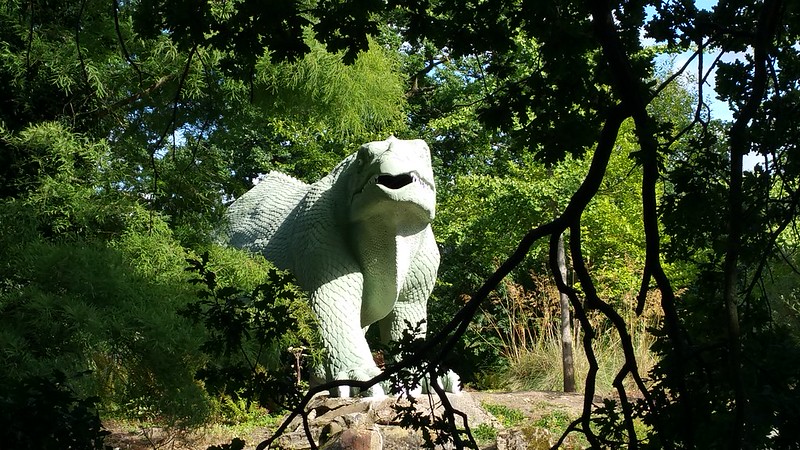
Ever since I saw that famous engraving of a dinner held inside the mould of the Iguanadon, I've wanted to see the Crystal Palace Dinosaurs in person. And so I went to see them some months ago! (Cripes, how time flies...)


Dinner in the Iguanadon on New Year's Eve 1853
Illustrated London News, 7 January 1854

Today the Crystal Palace may no longer be standing on the top of the hill, but its dinosaurs still survive on!

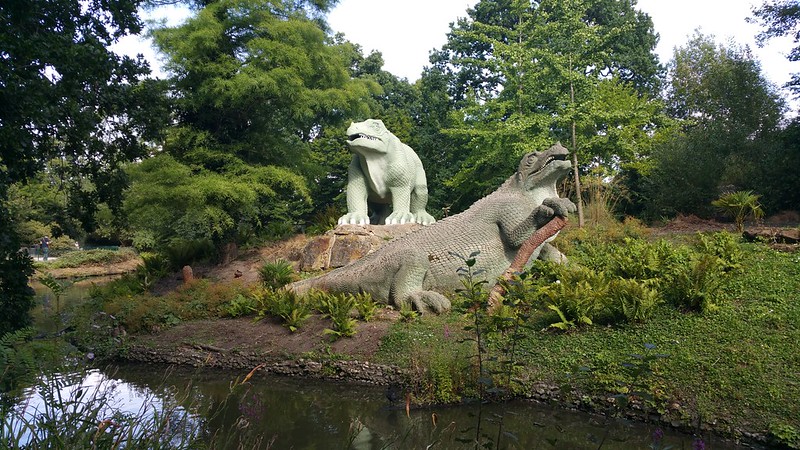
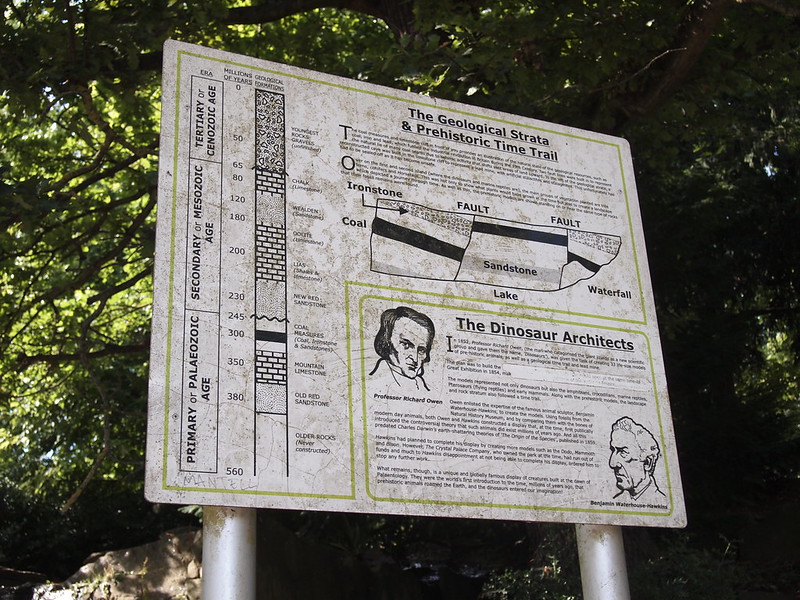
Directed by Richard Owen using the very latest scientific knowledge of the Victorian era, sculpted by Benjamin Waterhouse Hawkins and set in a rocky landscape designed by Joseph Paxton, the entire theme park was built between 1853 and 1855 (when Hawkins was told to stop work) and apparently looks more or less like it did back then, although I followed the audiotrail which takes you on a route in the opposite direction from which most Victorian visitors would have come by. These creatures underwent restoration between 2000-2003 and were upgraded from Grade II to Grade I listed after the restoration work.

Obviously over 150 years have passed since that day and our understanding and speculation on dinosaurs has changed a lot since then. It is also obvious that rivalries between scientists also added to their misshapen-ness. But their persisting interest to us today comes from them being one of the earliest known attempts to depict dinosaurs and other extinct animals - presenting these huge concrete reconstructions to the public in the form of this terrifying theme park and shaping early notions of dinosaurs in the collective imagination. Considering their size, the fact that these huge sculptures even managed to be completed was also quite a feat at that time.
Untitled

Untitled

Whilst walking around the park I could not help but overhear many curious statements uttered by visitors which made me worry that perhaps the people visiting the park were somehow too busy focusing on trying to get suntans or taking pictures and selfies with their handphones and not at all reading the many detailed informational signs around the park.

It is possible that some of them had even failed to understand the premise or context of these sculptures. Alas, I suppose the practical fact of the matter is that reading dusty noticeboards about prehistoric life and making educated speculations does not necessarily rank high on the priorities of everyone on a summer's day out. Which brings us to...


MISUNDERSTANDINGS IN THE MODEL DINOSAUR PARK!

Actual statements overheard on a trip to Crystal Palace on August 13, 2016
Untitled

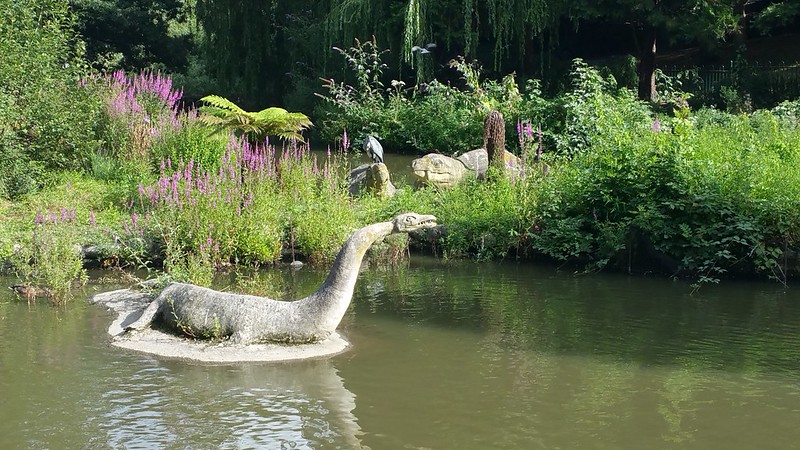
"Ooh! Look at the snake! See that snake? Can you see the snake? Snake?"
said a grown woman to her pre-language stage toddler.
Untitled

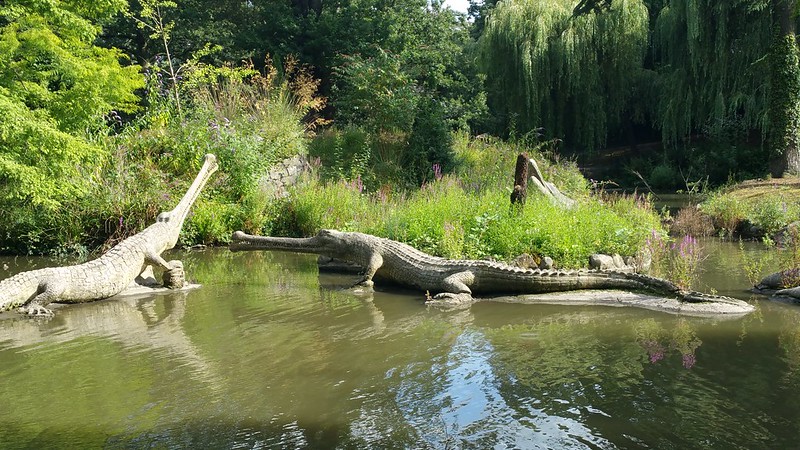
"Why is the crocodile's beak so long?"
asked a genuinely puzzled adult woman to her male companion.
Untitled

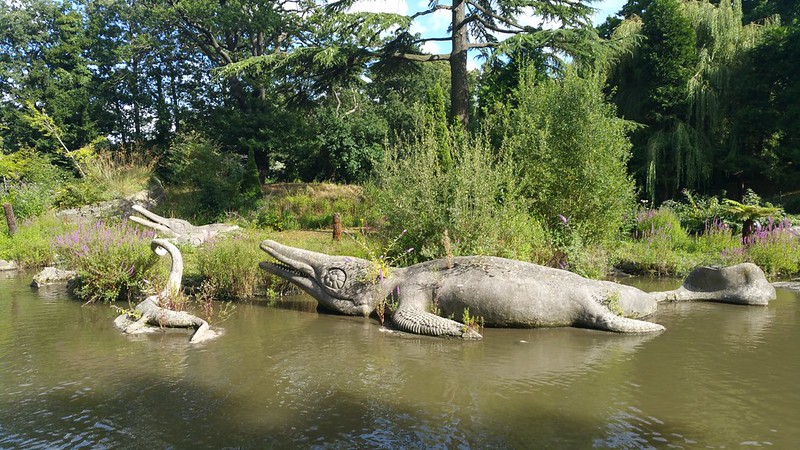
"Say what you like about these reptiles, they're the only ones still going!"
confidently said a grown man, to his young child and elderly father.


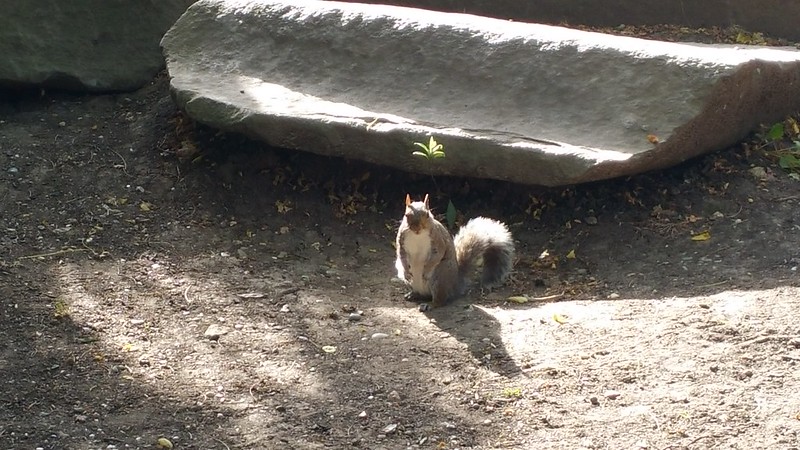
So... I'm going to end this with a picture of an angry squirrel that I also saw in the park. (It wanted nuts. I ran out of nuts.)
Untitled

PEDANTIC SQUIRREL: "IT'S A PARK OF SCULPTURES DEPICTING VICTORIAN MISUNDERSTANDINGS OF EXTINCT ANIMALS U DUM DUMS. EXTINCT!

VERDICT: Dinosaurs today - Still misunderstood

Sunday, 18 May 2014

The Tableaux Vivants of Manchester Museum

P5142422

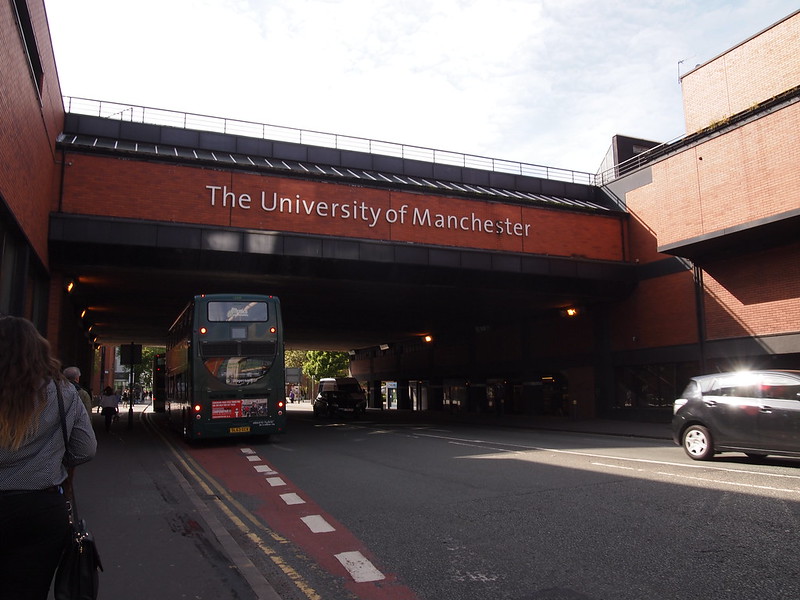
On a recent day trip to Manchester, I visited the Manchester Museum, the museum of the University of Manchester. It happened to be directly opposite the building I was in - right opposite Kilburn Building (blocky, red-bricked Computer Science building) and University Place (building which looks like a big tin can). I was unexpectedly ejected from a campus eatery at 2.30pm, and by this point I required a little break from the non-stop RUINS THEORISING going on, and how fortuitious to have a museum right there...

The ground floor has a temporary gallery space which currently has an exhibition called "From the War of Nature", which uses tableaux vivants to tell various stories of different animal communities fighting for survival in nature. This temporary show has no scientific labels and the stories were painted in broad and rather general strokes, which seemed odd to me even if the taxidermy was beautiful. I actually almost stopped at this point, but fortunately I decided I might as well continue on to the second floor...

P5142451

P5142454

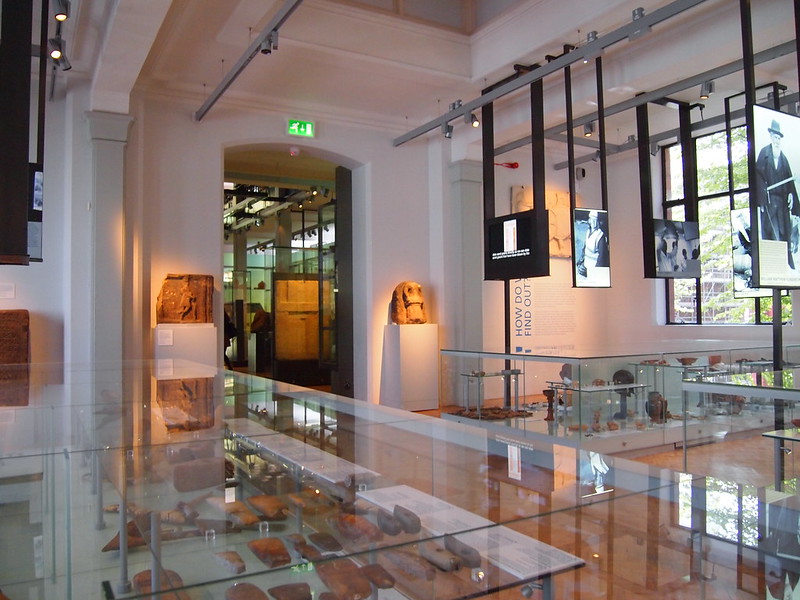
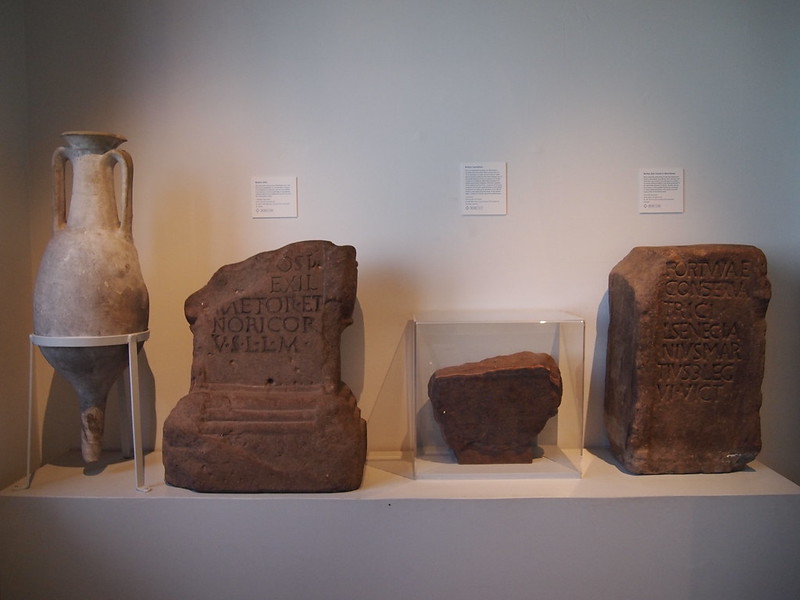
Things looked a lot more exciting upstairs, which began with some local archaeology of Manchester, including a collection of roman artefacts...

P5142455

P5142458

P5142469

P5142474

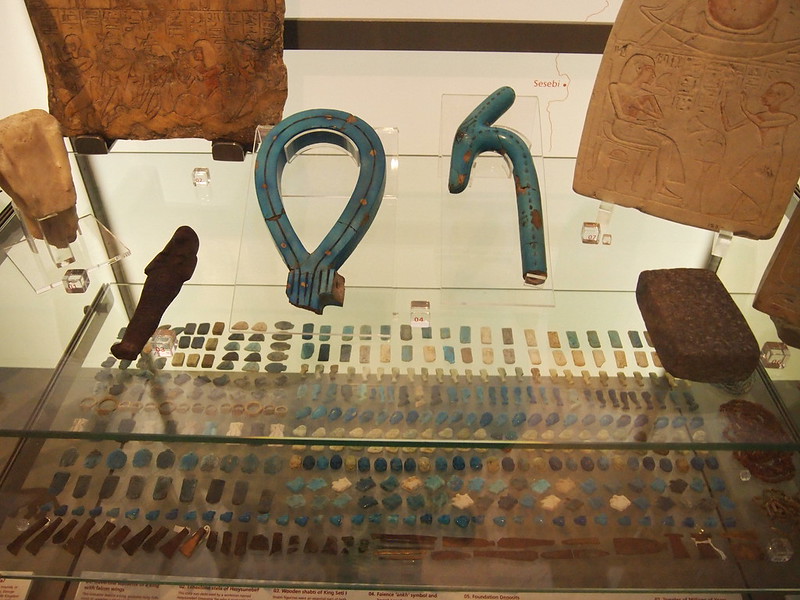
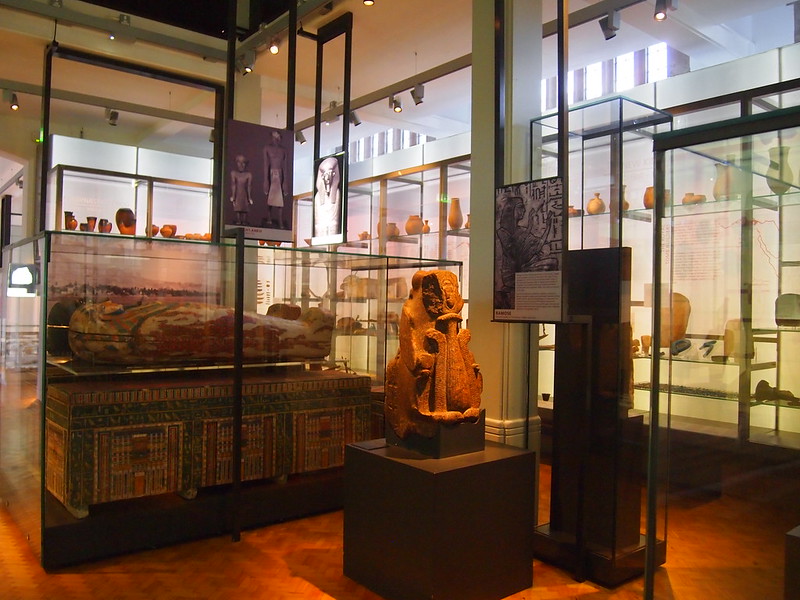
It was followed by what appears to be a rather comprehensive Ancient Egyptian collection, one of the most comprehensive in the UK - with apparently around 16000 objects in their Egyptology collection, including objects from prehistoric Egypt (c. 10,000 BC) to the Byzantine era (up to around AD 600).

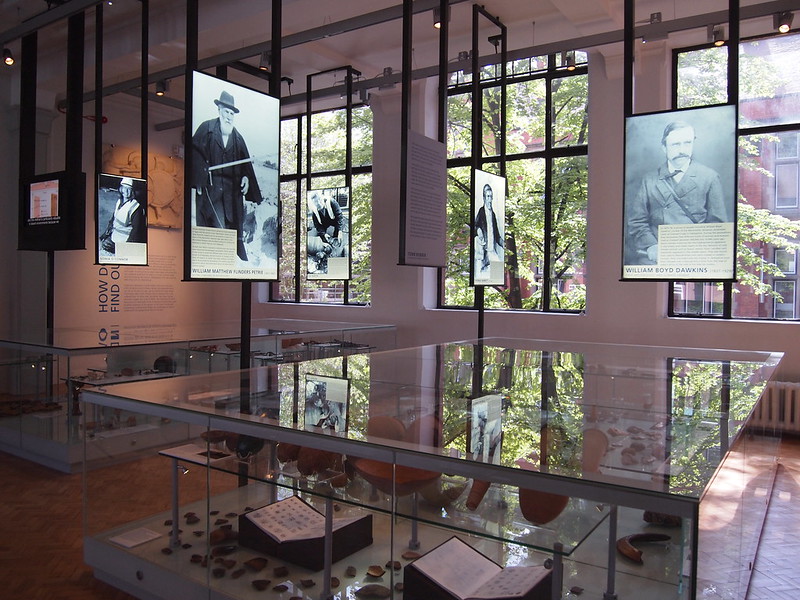
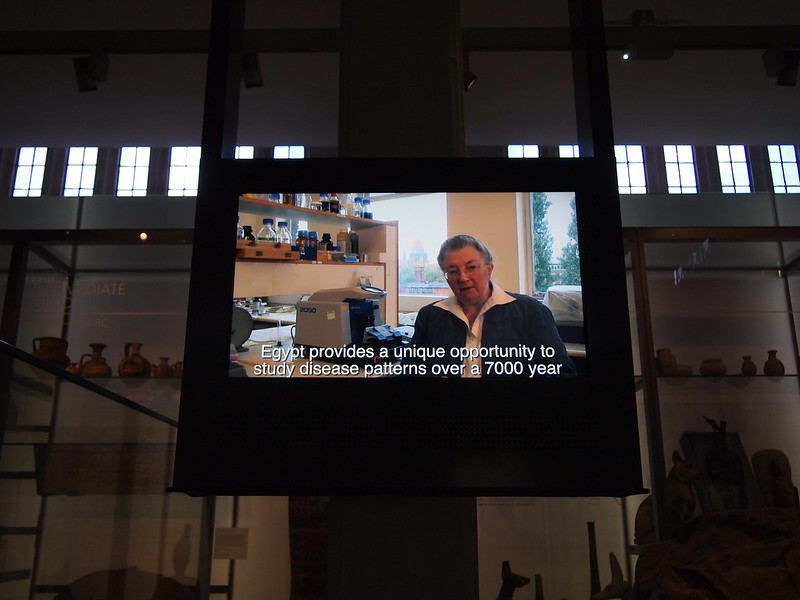
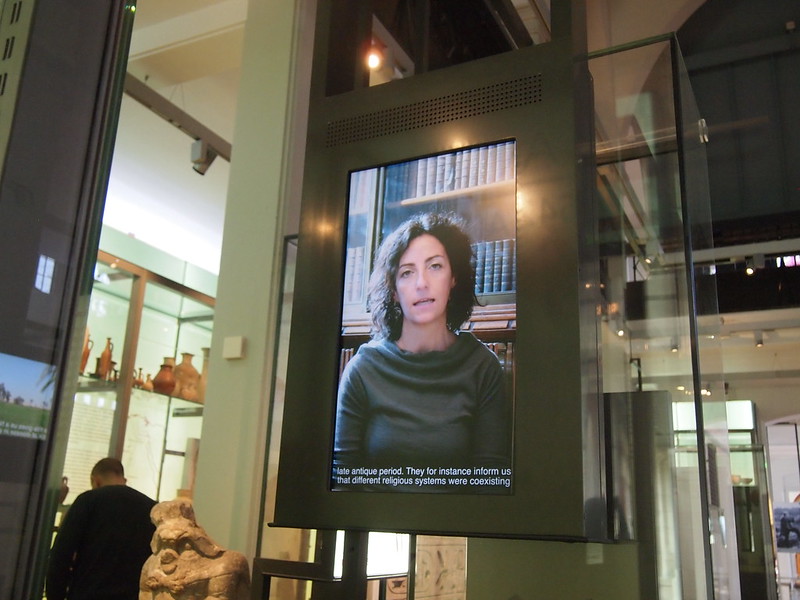
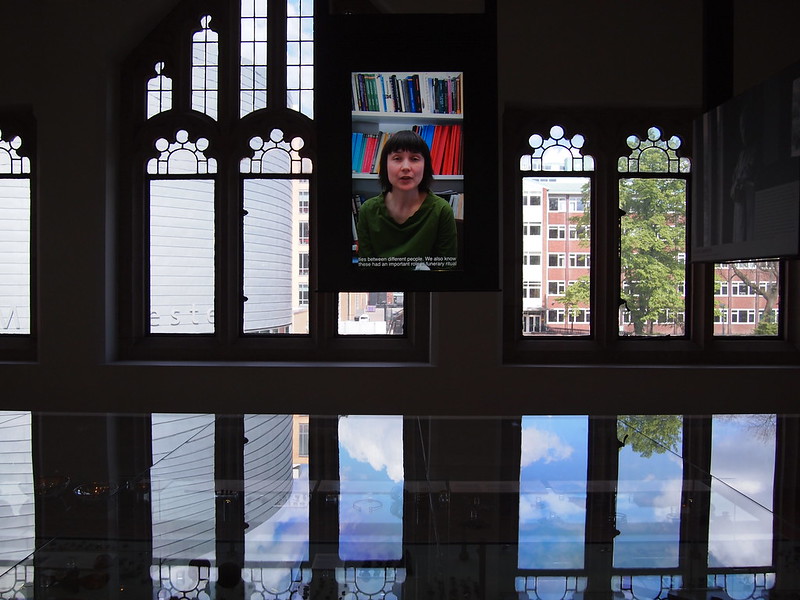
I suppose one thing that endeared me to this museum was the presence of these screens everywhere, which featured actual interviews with people working with the artefacts, and some screens featuring young visitors' reflections on the artefacts, drawing a connection between the artefacts and our daily life. This made the temporary exhibition downstairs make more sense - since I understood that the museum was designed to be as accessible as possible and more of an educational experience, a kind of space which wouldn't really portray Natural History and Science as something technical and complex, but instead as something to inspire the imagination.
P5142475

P5142476

P5142456

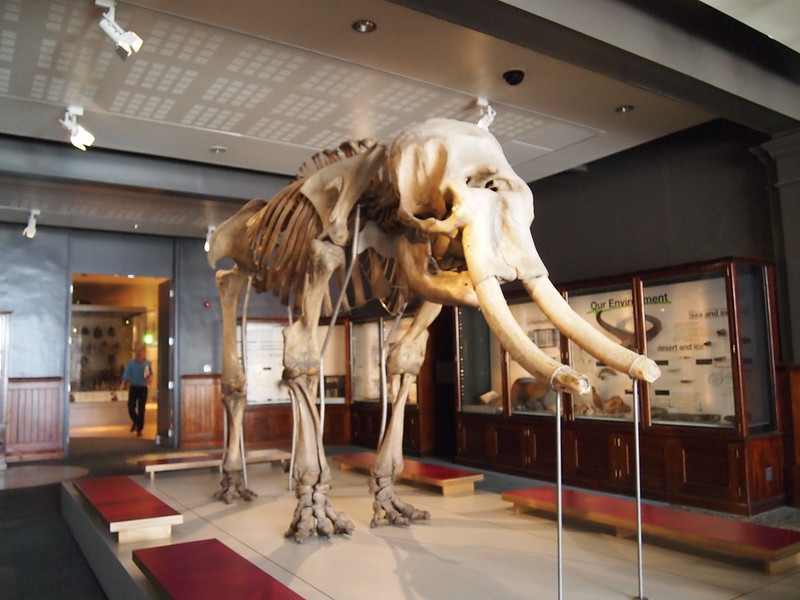
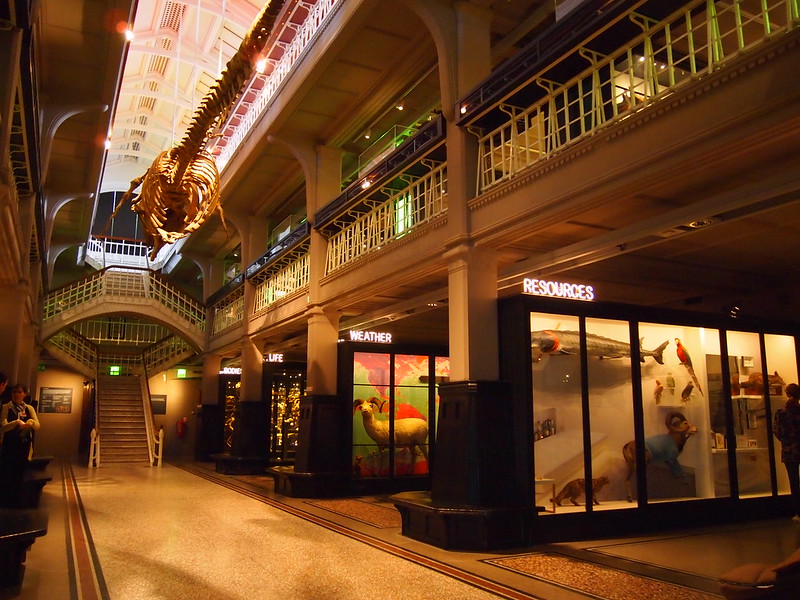
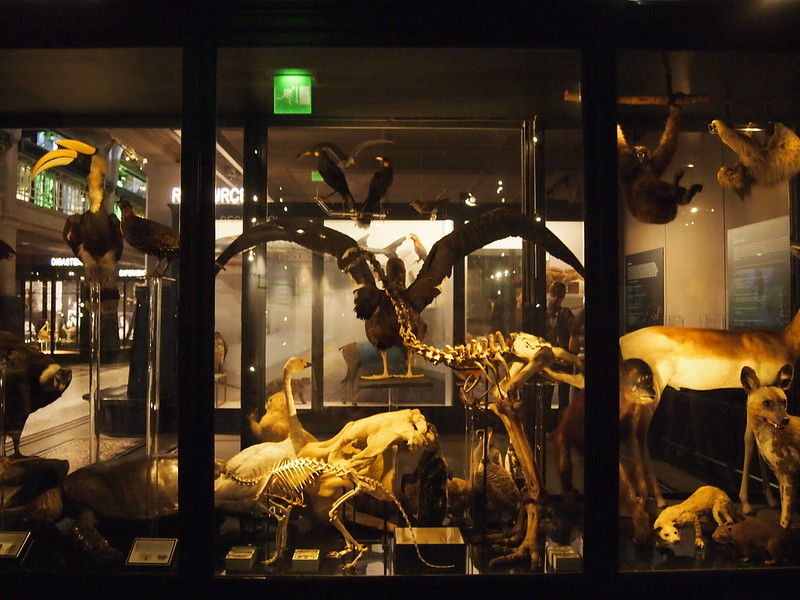
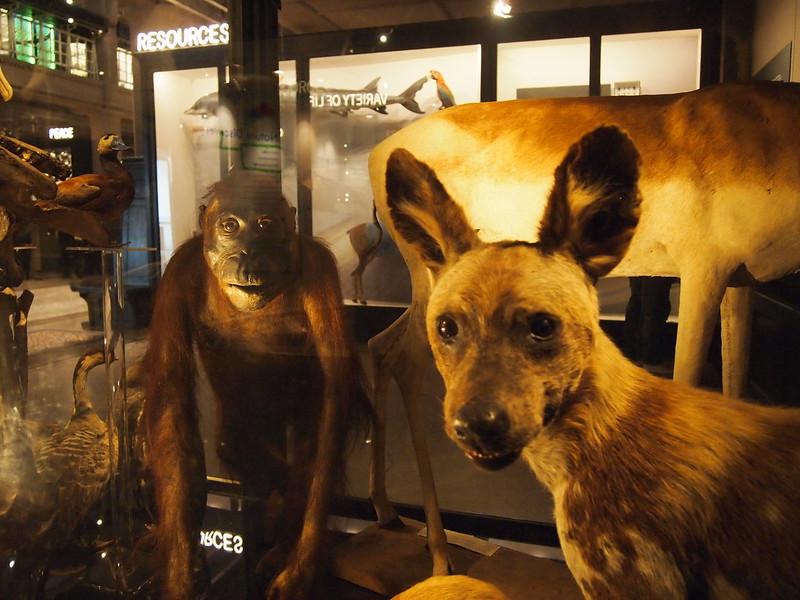
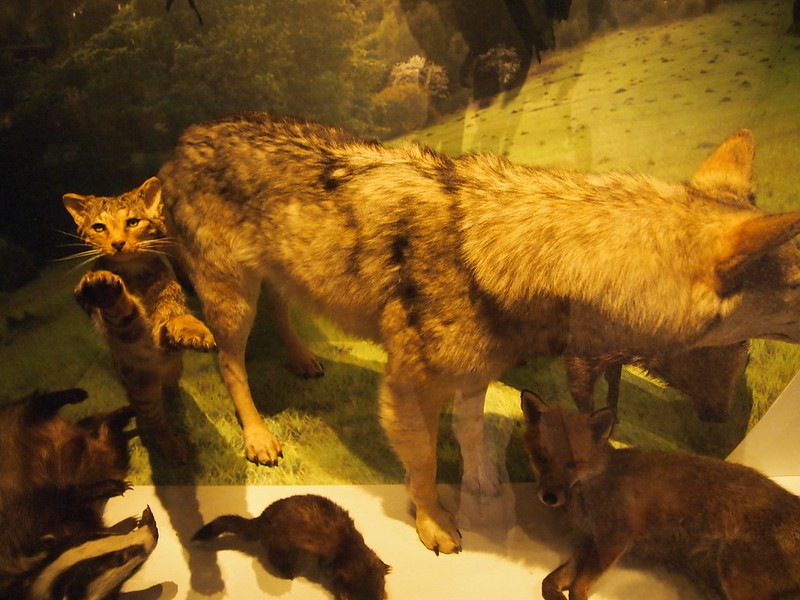
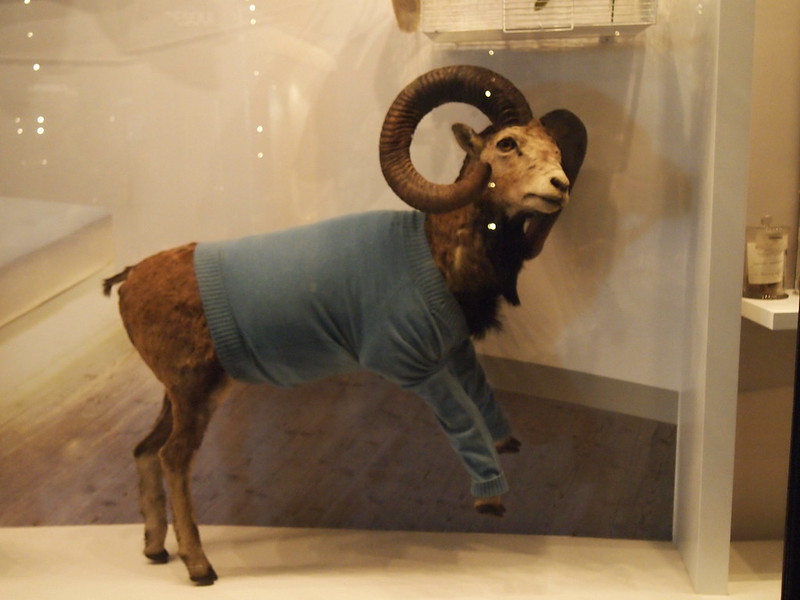
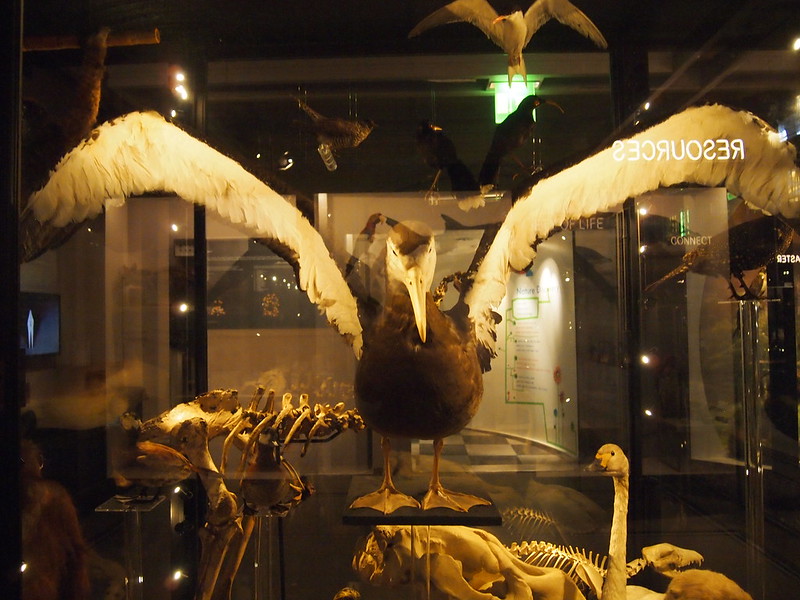
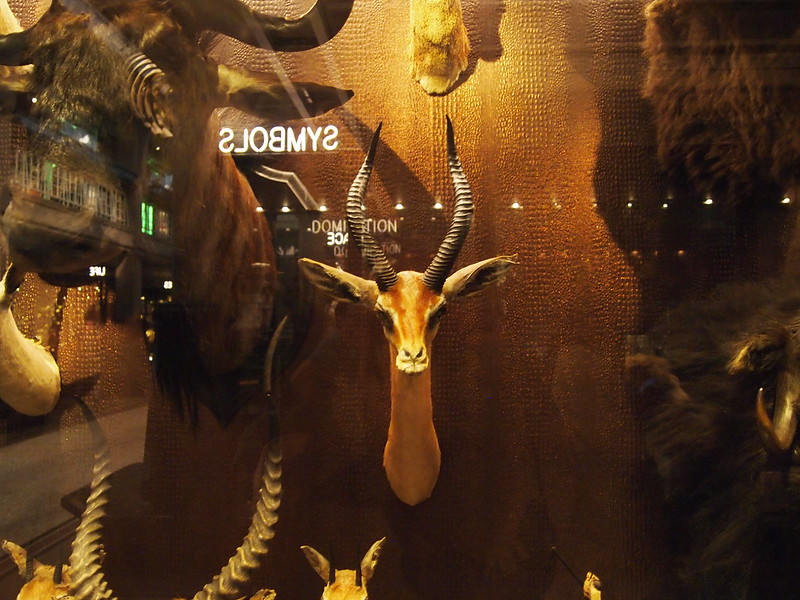
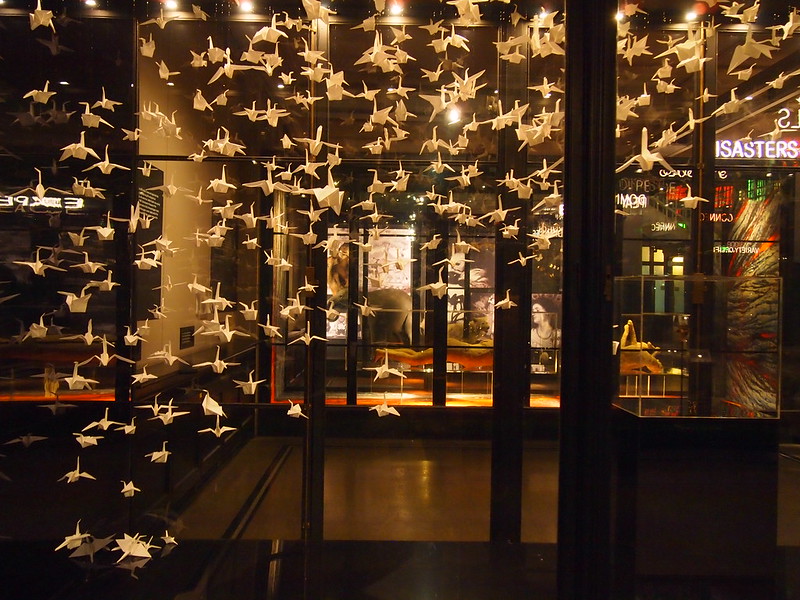
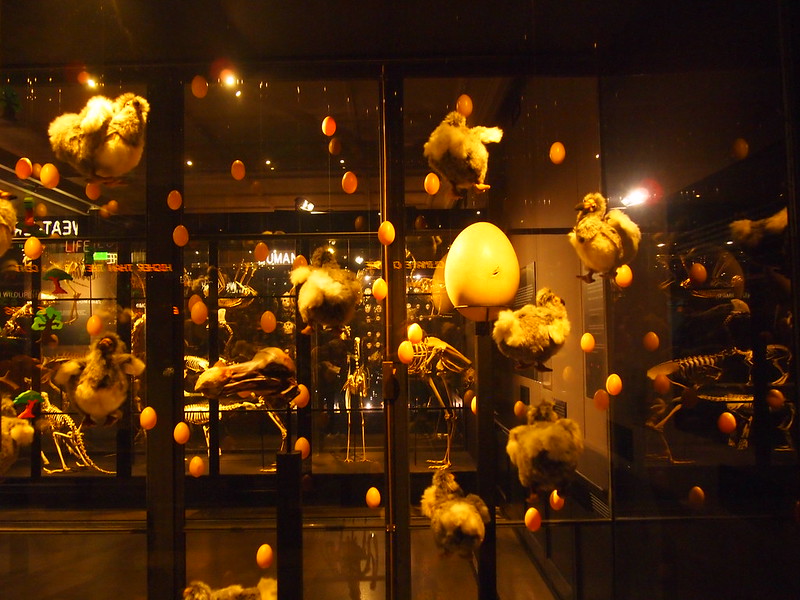
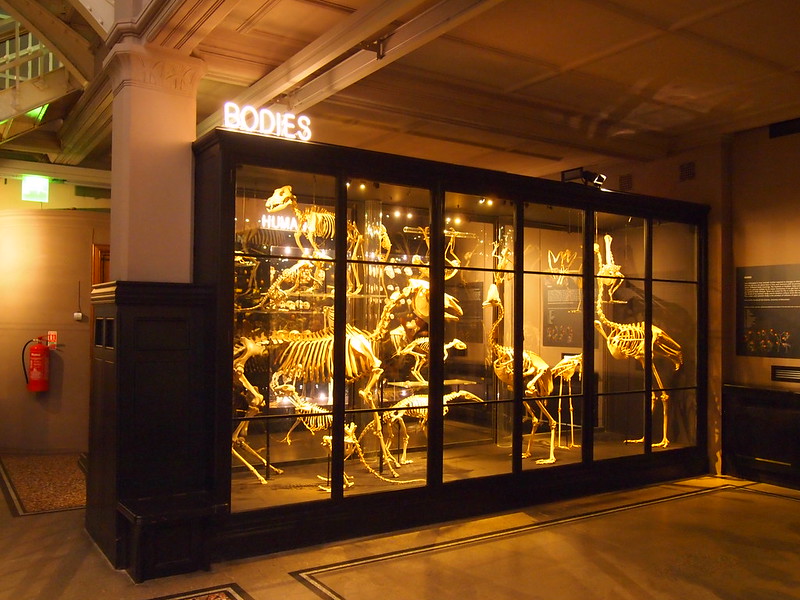
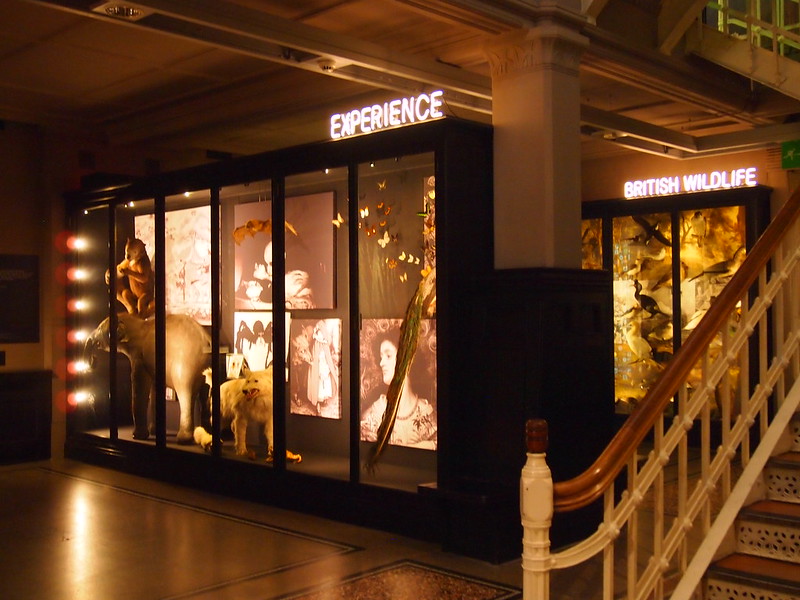
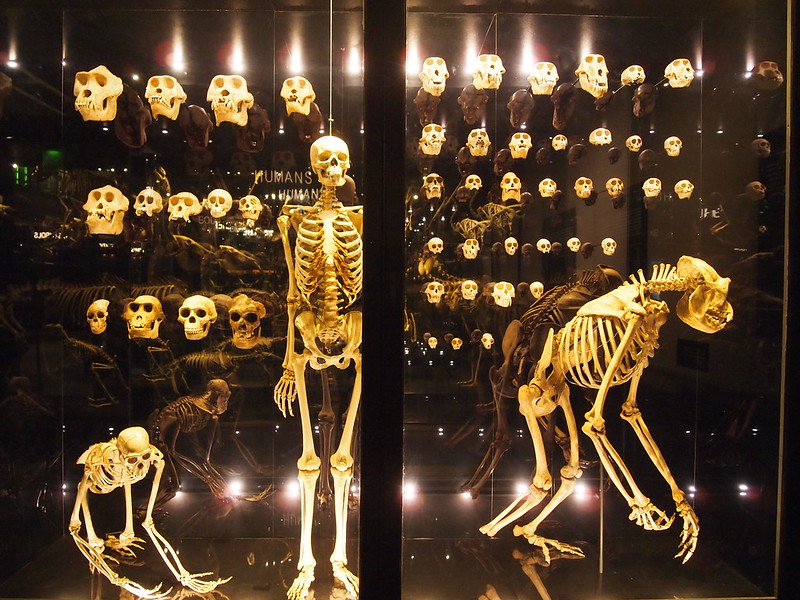
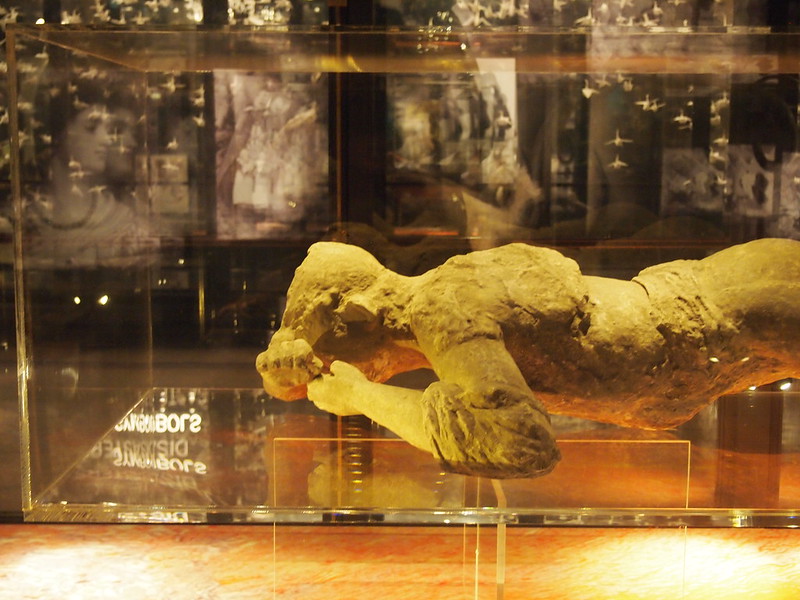
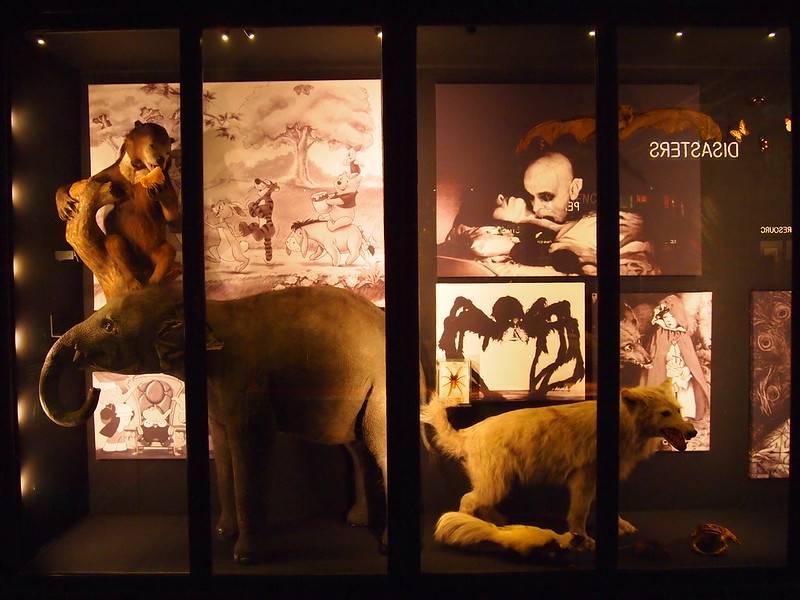
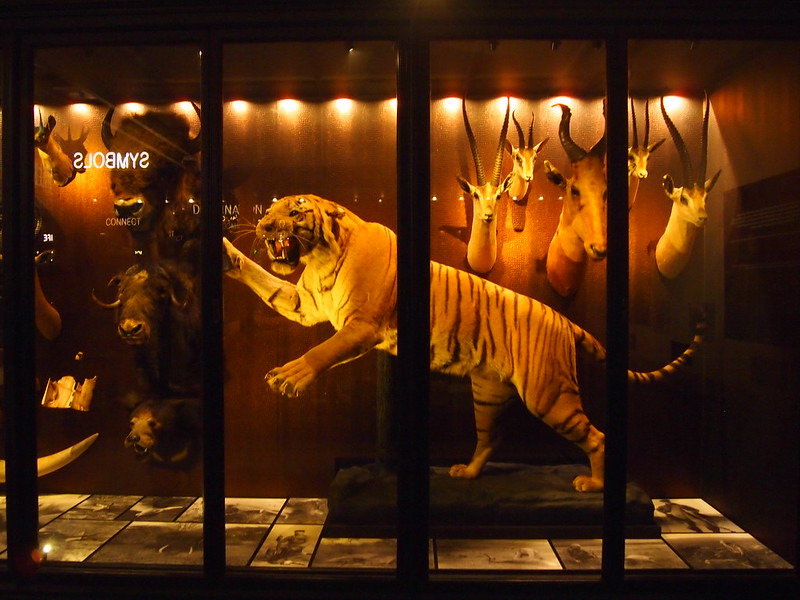
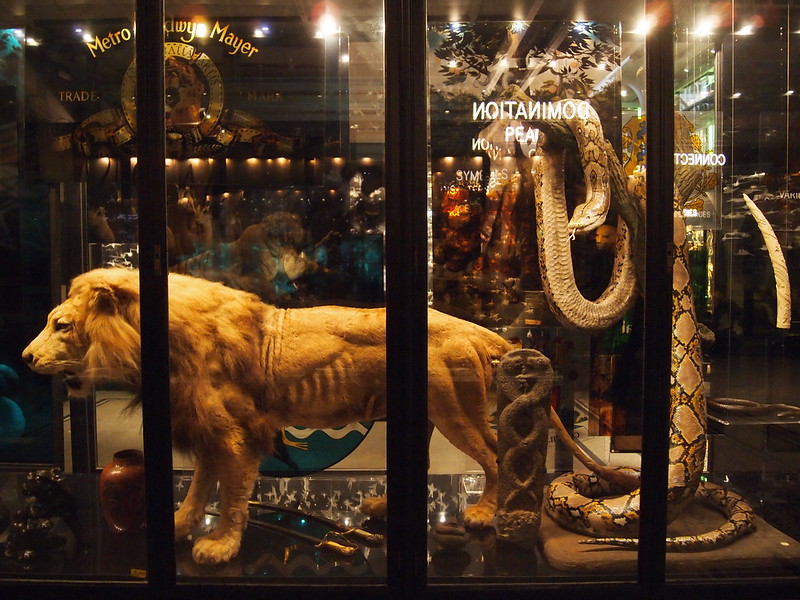
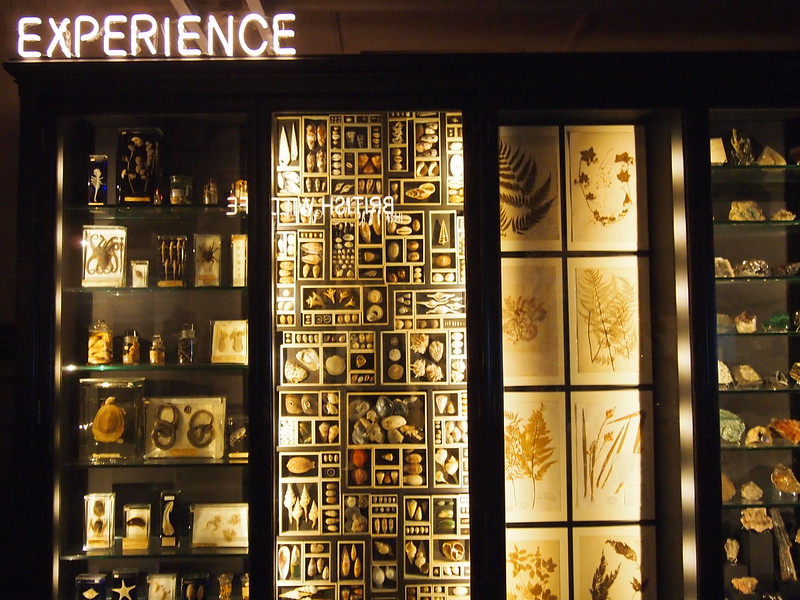
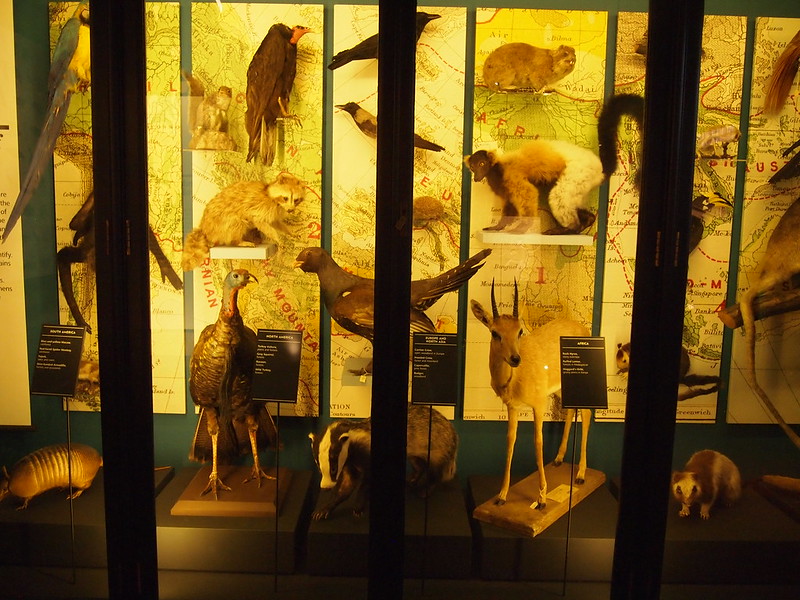
Next up was the most curious hall ever - more tableaux vivants which seemed almost like art installations, based on very broad issues and themes such as EXPERIENCE.... PEACE.... etc.

On the sides, they were flanked with thoughtful quotations by people working at University of Manchester who were deeply involved in researching those areas. For example, in a section about British Wildlife, they had an interview from a guy who worked in a wildlife protection group, and they had him telling a beatific story about how he went camping once and woke up alone in the middle of the English countryside and watched a bird flapping off into the sunrise in a sort of reverie, feeling the interconnectedness of life and the simple beauty of nature. I have to admit that this kind of naive earnestness in the video presentations veered rather dangerously on the romantic and trite - but in the end I still feel the intentions and sentiments behind it all were generally good.

P5142477

P5142478

P5142479

P5142481

P5142482

P5142483

P5142486

P5142487

An installation of cranes???

P5142489

Floating stuffed dodos and eggs???

P5142491

P5142492

P5142496

P5142501

P5142502

P5142503

P5142504

P5142505

P5142513

P5142514

P5142515

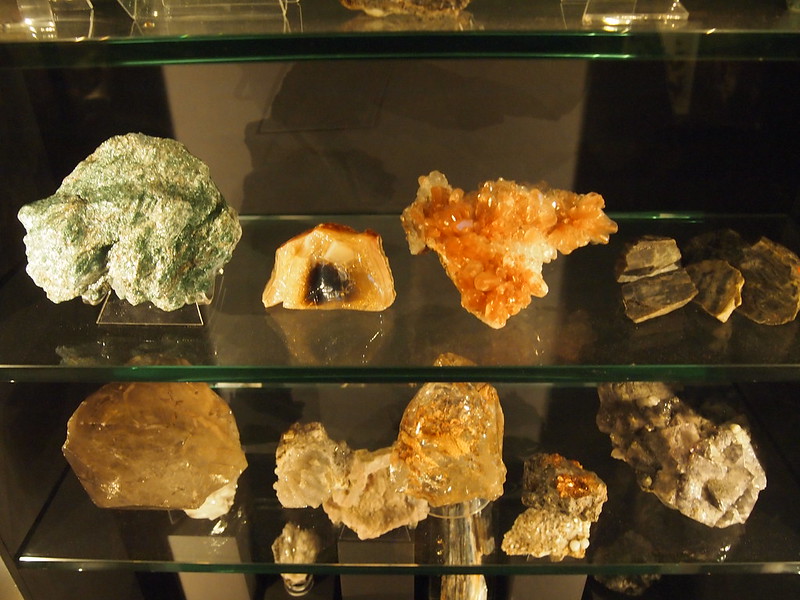
Rock

P5142516

Collections

P5142522

P5142529

P5142535

P5142536

P5142540

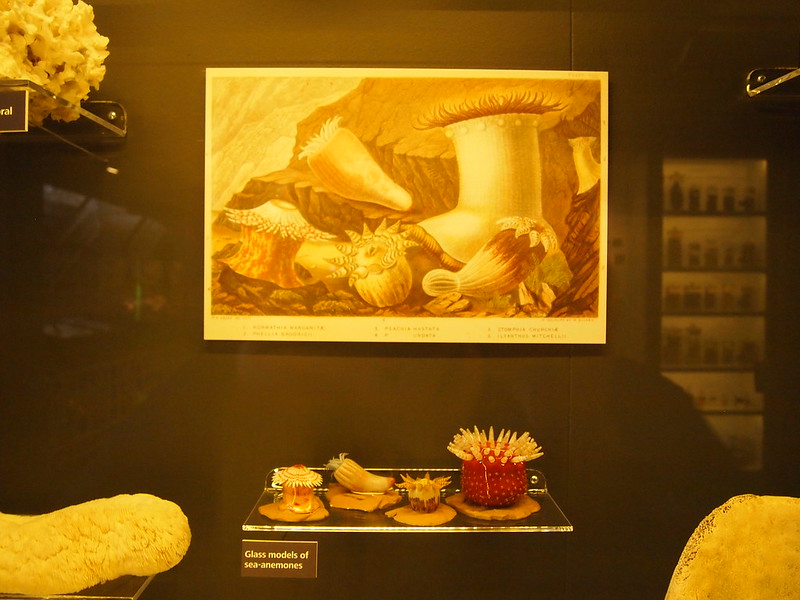
Blaschka Glass Models!

P5142547

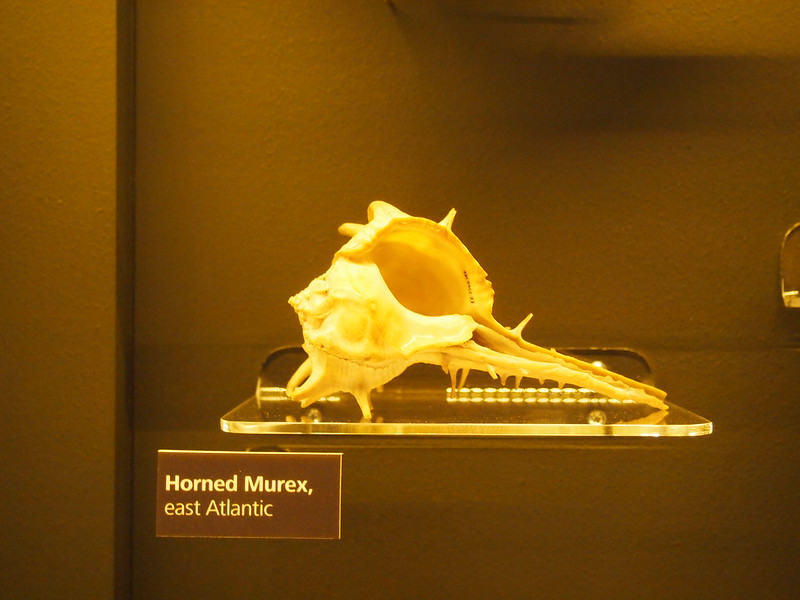
Horned Murex

P5142548

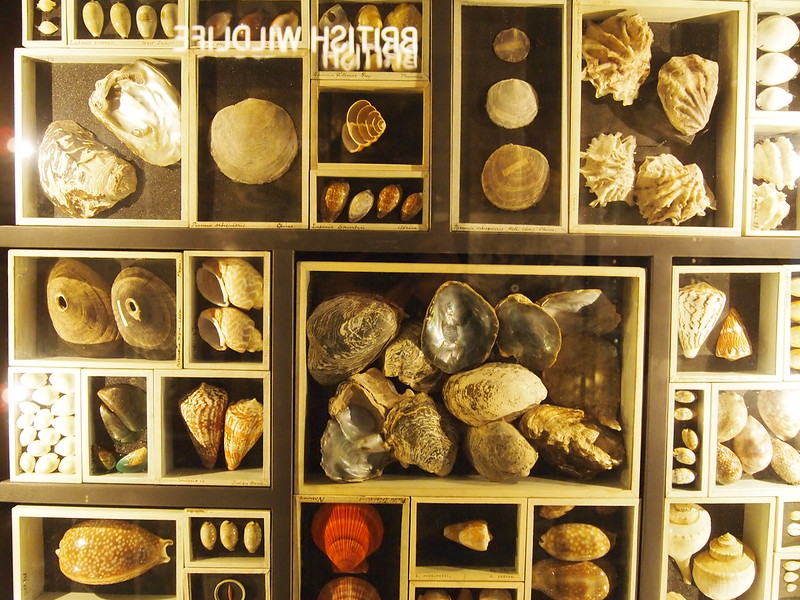
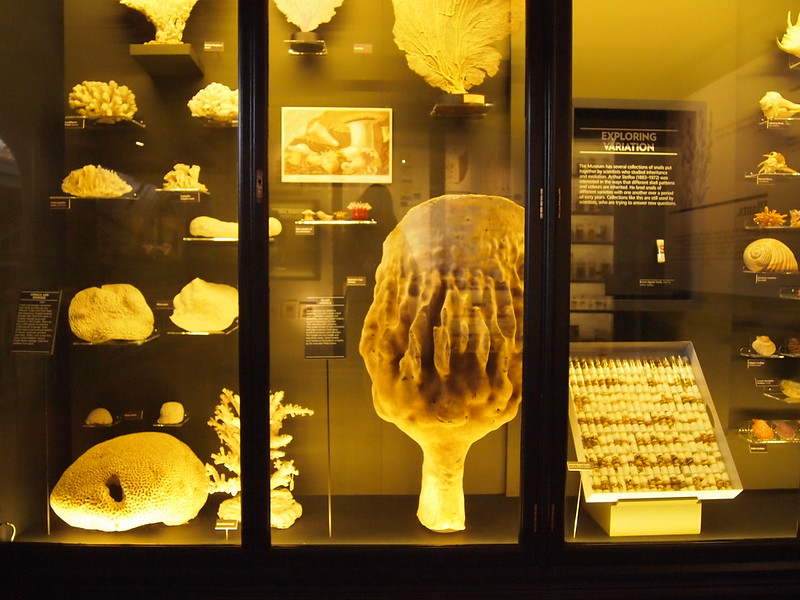
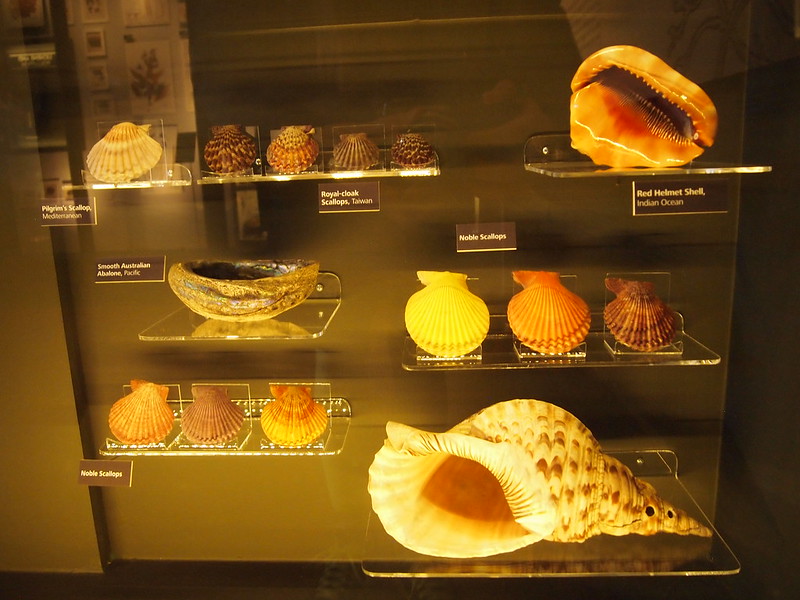
Shells

P5142544

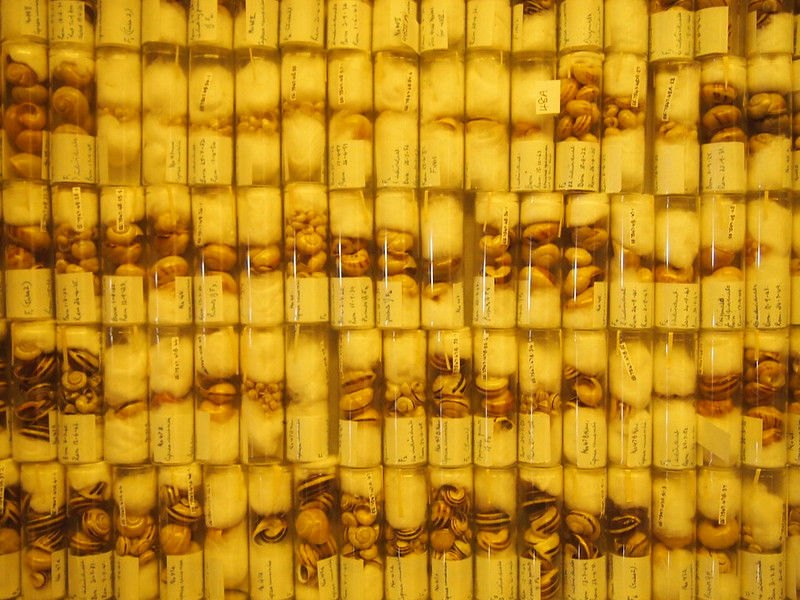
Snails

P5142554

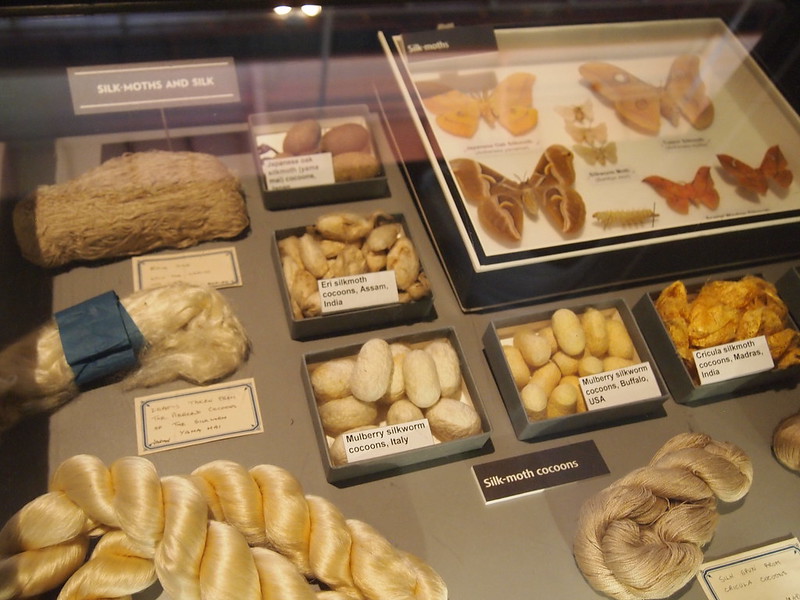
Moths

P5142564

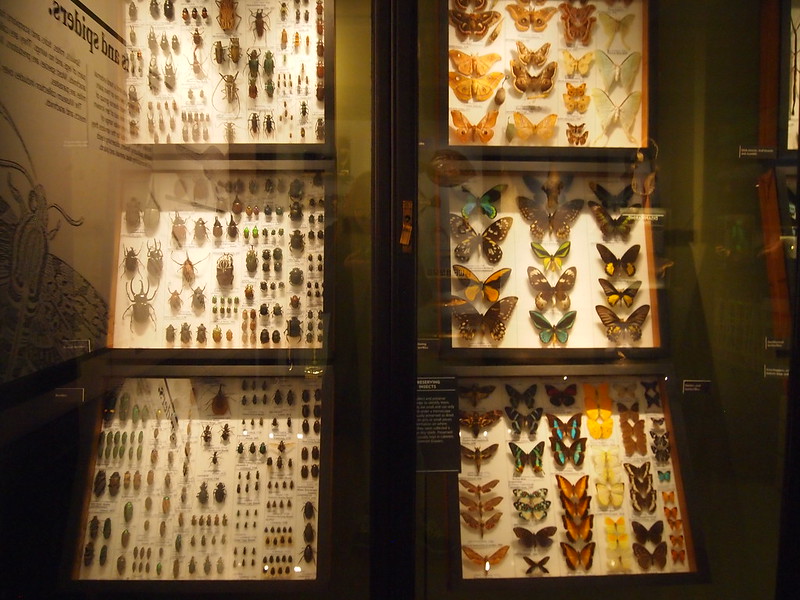
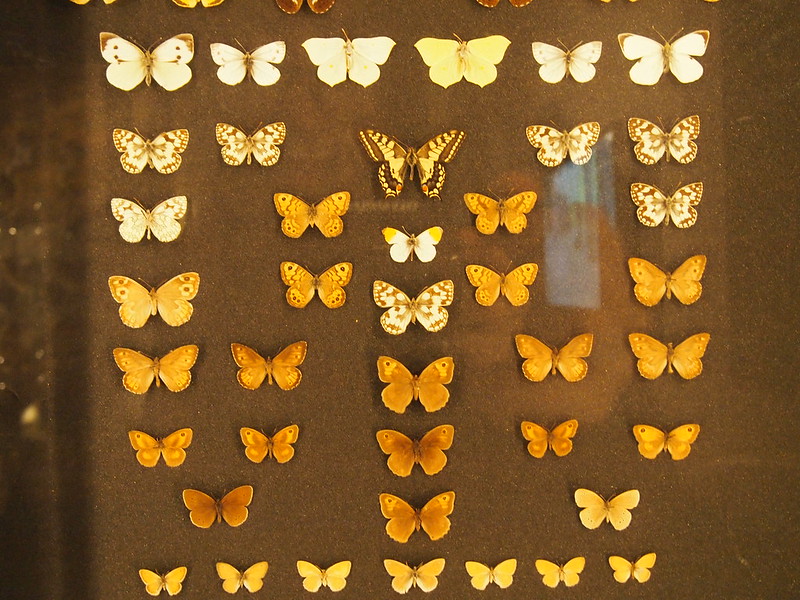
Insects

P5142560

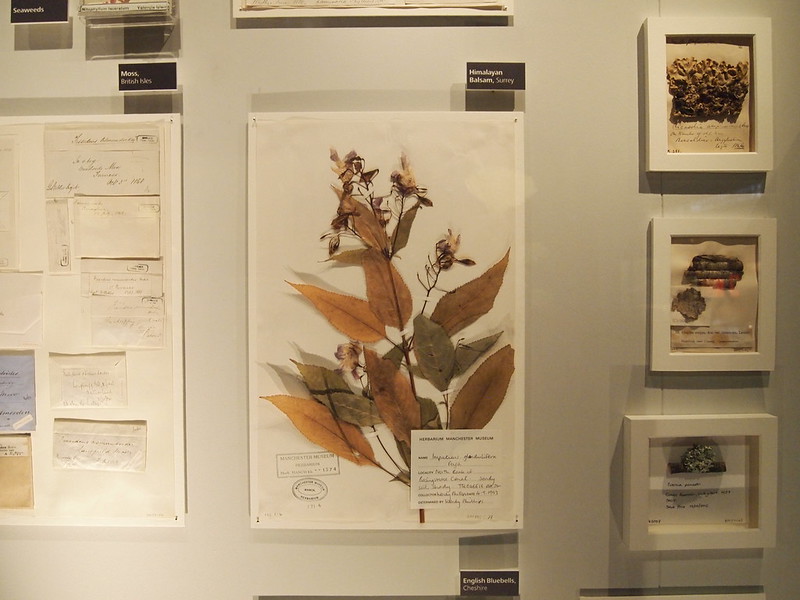
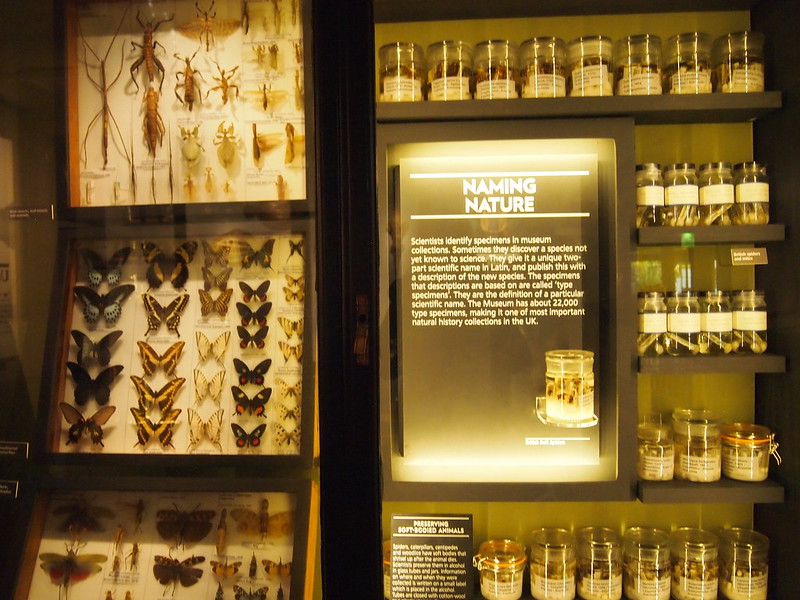
It says here that Manchester Museum has over 22000 type specimens. Also, to put things into perspective, Manchester Museum apparently has around 4 million specimens. Natural History Museum in London has over 28 million specimens. Still, these are collections that have involved the life's work of so many different individuals over the years.

P5142566

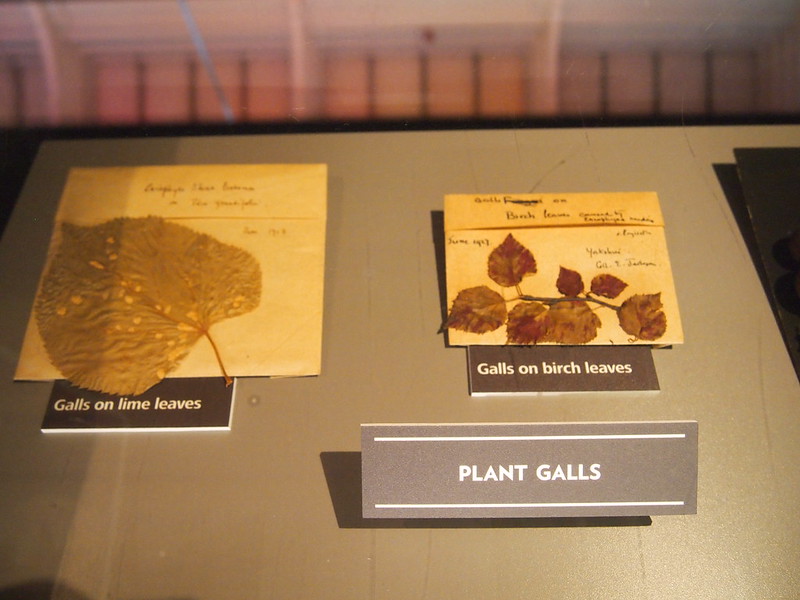
PLANT GALLS!!!

P5142568

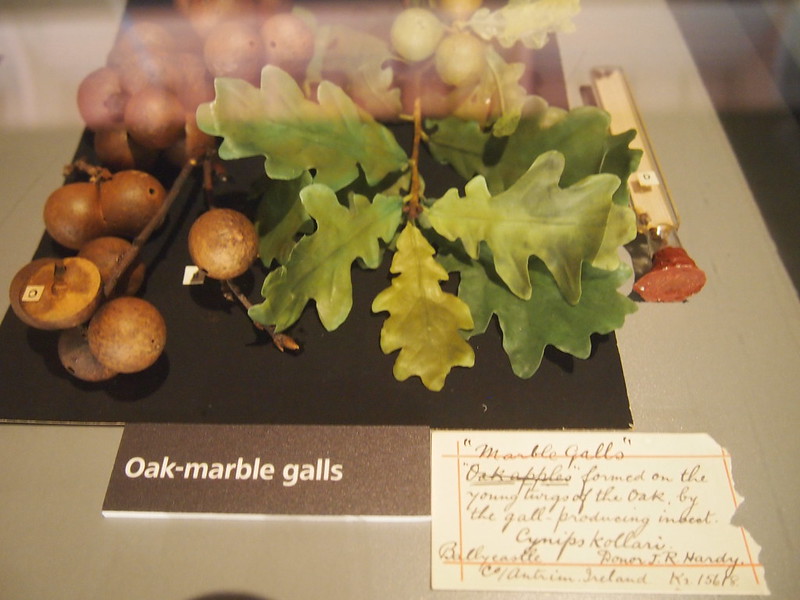
OAK MARBLE GALLS!!!

P5142572

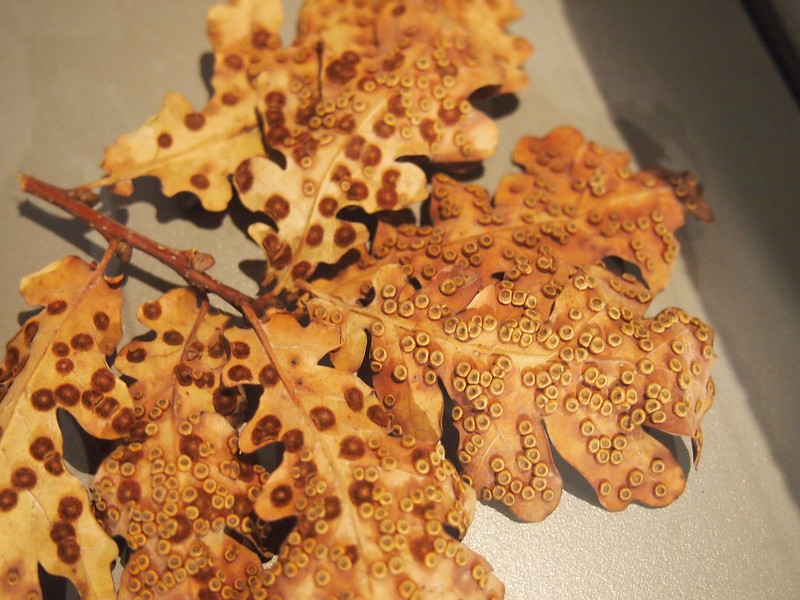
Silk-button Spangle Galls!!!
Need I explain how excited I am to see a plant gall section?

P5142586

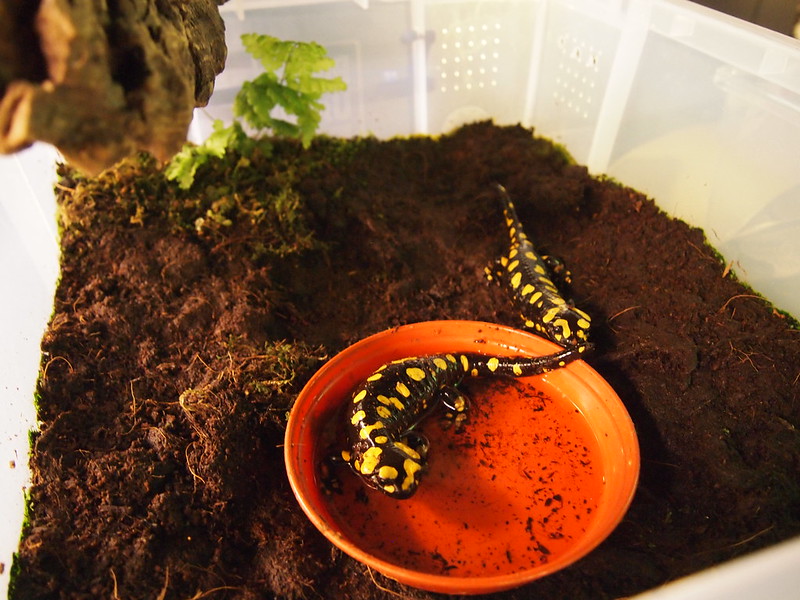
Fire Salamander in the vivarium, just arrived! (living animal section)

There are too many photos so I will end here for now. With such a vast collection including a section dedicated to "Museumology" and "collections", where I saw a section on Egyptian fakes and its no surprise that later when I checked it up, I found out that Mark Dion's "Bureau for the Centre for the Study of Surrealism and Its Legacy" was actually put together from Manchester Museum's vast collections - which, as with any huge collection, is bound to be full of eccentricities and overlooked corners full of strange items, unusable models, fakes, and other items.