Sunday, 22 June 2014

Collecting Dust

from-dust-to-dust-final-work

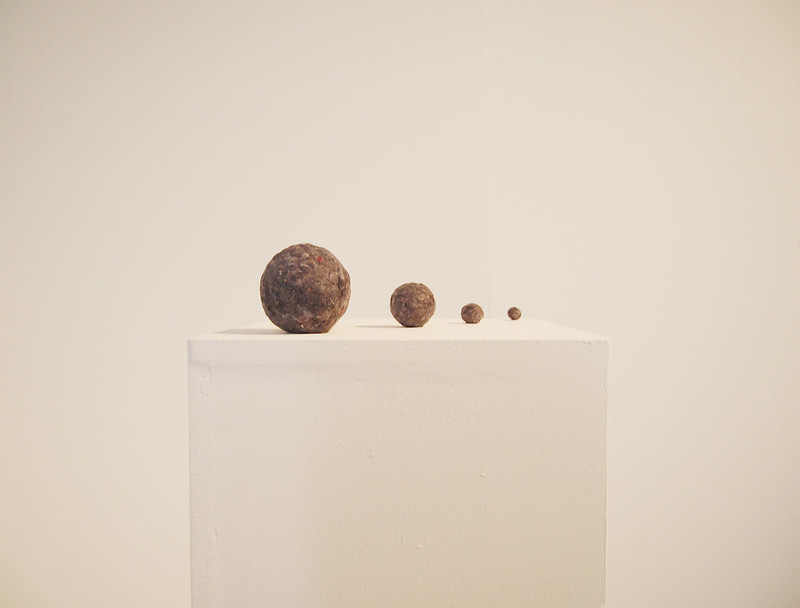
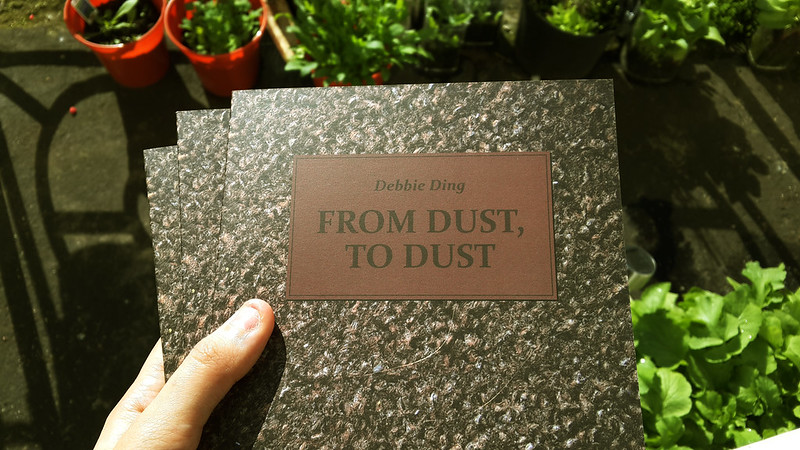
Debbie Ding, "From Dust, To Dust"
Exhibited at "Ghost on the Wire", Bermonsey Project, London, June 2014.
Curated by Gavin Maughfling & Suzanne de Emmony with support of the National Arts Council of Singapore

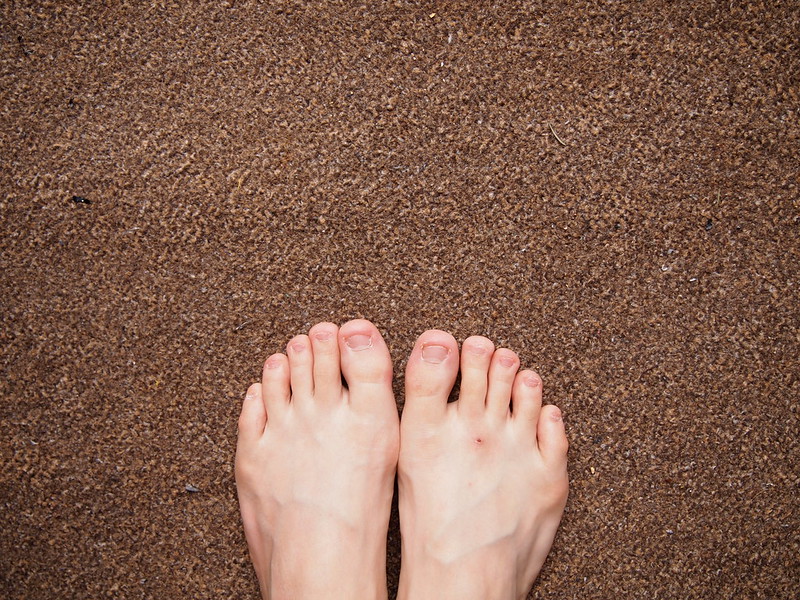
The above four balls of dust are the culmination of months of me and George collecting and trading dust. Firstly this couldn't have happened without George! <3 For the entire exercise began in earnest, while we were facing a yawning chasm of time and space between us (I never want us to be apart again for that long!) How surreal it is to be here, from a simple meeting and a funny conversation, to me sitting here in London on your carpet, rolling our dustballs together...


One reason why I haven't been posting on this blog recently is because I've also been working on all this writing that was to go into the book for THIS show! And that was in addition to the unreal amount of work I've had at school - helping the graduating year build their show - which by the way is unbelievably awesome! Please take a look at the works from this year's Design Interactions. I've been helping to compile everyone's work for the online DI14 documentation, and building.... ants? (More on my desultory diversions into fly tying in another post..)
20140610_082742_W Bank

To be honest, writing is a curious sport. It is nearly impossible to estimate how much time one needs to write, unlike most other tasks which can be planned for. You can only hope to produce the conditions that will allow the words to flow. Sometimes there will be inspiration and sometimes there is just none. I had a few reams of half-baked texts, but I threw out most of my drafts at the eleventh or almost the twelfth hour, and decided to rewrite most of the text in the very last weekend before I sent this off to print. I think the text turned out much better that way.
P6012764

A week before this I had attended a curious workshop at Auto Italia by Ingo Niermann, who edits the Solutions series and whose writing on Drills I had first encountered at Documenta. We had an interesting meandering dialogue, and I decided to try to write/rewrite some of the ideas I had into the form of a Drill. With a Drill, one becomes free to coerce oneself into something else, repeating an action over and over again until it becomes almost an instinct to behave as such. For a drill to work there is the necessity of repetition - and for me my feeling of a drill is that any kind of repetition also comes with resignation (assuming one is wholehearted in the execution of the drill) or, it could also come with some modicum of anxiety and futility (if one is unable to surrender oneself entirely to become the material).

I am reminded of one of my favourite films from some years ago - Brothers Quay's Institute Benjamenta, where a man who says that he has lost all hope of becoming a useful member of society applies to attend the Institute to learn how to become a total servant. In their classes, they repeat drills and certain motions endlessly, to some unknown end, which the man finds more and more oppressive over time. Even though he has given up hope on becoming an individual in his own right, he remains unwilling to follow the drills and become the material entirely because the meaning within the repetition is hidden to him. This is what we slowly realise is the nature of becoming a servant at the Institute Benjamenta. A motion repeated on cue, producing meaning and effects not seen. There is a kind of poetry within total subservience; I do think that for an artist the ultimate is to become one with the material/work, but inherently its attraction for me is not being unquestioningly willing to give up the control, but the interesting thing for me is that dissonance one feels in trying to get closer to the meaning through a systematic repetition of seemingly pointless actions.

Here follows an excerpt from the book...
(If you like it, you can also order a copy online here.)


How to Become Homeless


From the book "From Dust, To Dust" by Debbie Ding


Begin the motions of moving to another country for a short while.

Get a very large box.

Collect all of your most important and personal items and place them in a very large box in a long-term storage facility - with the absolute belief that you will be returning for them very shortly. Throw away all other items which you deem as unimportant.

Create an inventory list of each item that you have put into the box to help you remember what is inside this box. Write out long, lovingly detailed descriptions of each item you place inside.

Allow yourself only a very short time to complete this task. In the midst of your rushed packing, convieniently misplace this inventory list by also putting it in the box, and then seal the box and place it into storage.

Quickly move to another country and allow yourself to settle into this new life over time. Slowly get more and more caught up in your other life there until you end up staying there for an additional 3 years.

Allow yourself to completely forget what you left in the box in the previous country over time.

Begin to feel a sense of mystery and curiosity about the contents of the box that was left behind. The contents of this box will gain significance, just as how forgotten scribblings in small notebooks which you have lost forever will seem like they must have been significant, genius thoughts that you desperately must recapture. Tell friends about the box you left behind, and how you have to go back for it someday. Try to imagine what you might have left in the box.

Come back after 3 years to investigate the contents of this box.

Discover that the box is mostly full of heavy, inconsequential things which have lost their emotional importance, or things can be replaced, or have already been replaced since.

Give away the contents of the box to anyone who will take them.

Begin the motions of moving to another country for a short while.


For more information visit http://dreamsyntax.org/dust

Sculptures in Reverse, No. 2 (Autonomous sensory meridian response / Taste-Shape Synesthesia)

sculpturesinreverse copy


Sculpture in Reverse, No. 2 (To be listened with headphones)

“Sculptures in Reverse” is a series of binaural foley sounds designed around the idea of producing sounds which mimic the sounds that can be heard within the interior spaces of one’s head - such as the sound of cleaning one’s ears with cotton, scratching one’s scalp, or the sound when one’s hair brushes against one’s headphones. This piece must be listened to with headphones.
The neologism “ASMR” (Autonomous sensory meridian response) is popularly used to describe panning/binaural sounds which may trigger tingling, pleasurable, or relaxing sensations in the head, scalp, back, or peripheral regions of the body in response to auditory stimuli. Even the sound of someone noisily unwrapping some paper or plastic behind me (without me being directly aware or focusing on the sound) can give me an unexpected "premonitory" tingle, although I cannot explain how or why it happens in any definite terms. It is almost as if I am like a glass vessel that happens to resonate or vibrate along with other tones/vibrations.
Recently I found out that I might have some form of synesthesia - an unconscious wiring of different senses together. I have always tasted foods as "shapes", and had always assumed this was true for most people. Somehow, I suspect that many people throughout my life seem to have humoured me and my comments about the “shape” of foods as simply being part of my being "overly-imaginative" or "creative", without realising that the "shapes" of tastes are actually real to me.

It is quite bizarre if you ask me: how is it that people do not taste salty flavours as roundish, or sweet flavours as possessing of angular features? Isn't it as obvious as looking at a physical object and being able to tell its visual shape and colour immediately? I have always assumed that it would be as obvious as being able to discern colours. When people say "This taste is not rounded enough!" - obviously to be said when you want to tell someone that the taste is currently too angular! I thought that when I posted about it online that others would chime in and agree that it was patently obvious that a salty flavour would usually be rounded, but up to this point no one else that I've met has had the same perception of it! I began to question if I had made it all up. Could this all be another one of my confabulations? But... how do you explain why the perception of these "shapes" seem real to me? Is it less real just because I don't have the words to describe it yet?

I am also equally surprised when people tell me that they have experienced no interesting sensations from listening to "crispy" sounds. I wonder if my ability to appreciate “ASMR” is somehow related to my ability to taste shapes. For me, it is a matter of "red" being red, and "blue" being blue, "salty" being generally roundish, "sweet" being decidedly angular, and "bitter" like a horizontally layered slate-like shape which disintegrates around the edges (UGH!). A person whispering SKSKSK which gives me a tickle behind my right ear and anticipation of pain or touch gives a strange "leap" behind the knees. How do we describe these connections and sensations which span across more than one of the senses - connections which are indistinct and for which we have no common understanding of words to describe them? What is the connection between the consciousness and the senses?

The series “Sculpture in Reverse No. 2” is an attempt to simulate physical sensation through audio alone.

Longer half hour mix (To be listened with headphones):

Thursday, 22 May 2014

The Launch of the NewBiologist

20140521_112327_W Bank

20140520_181845

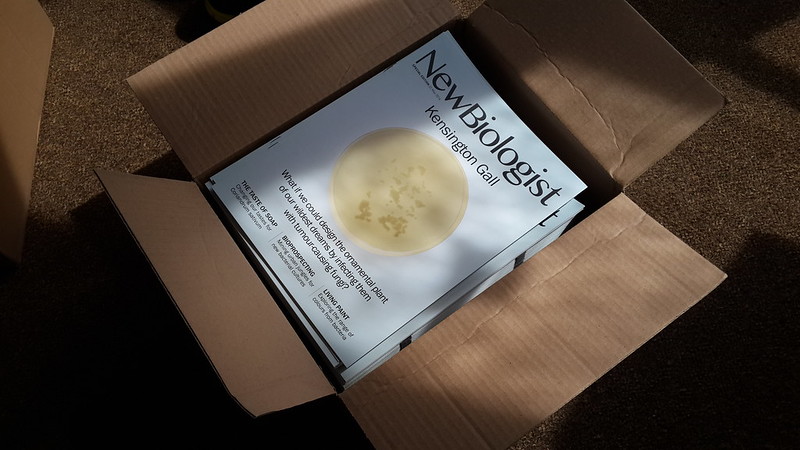
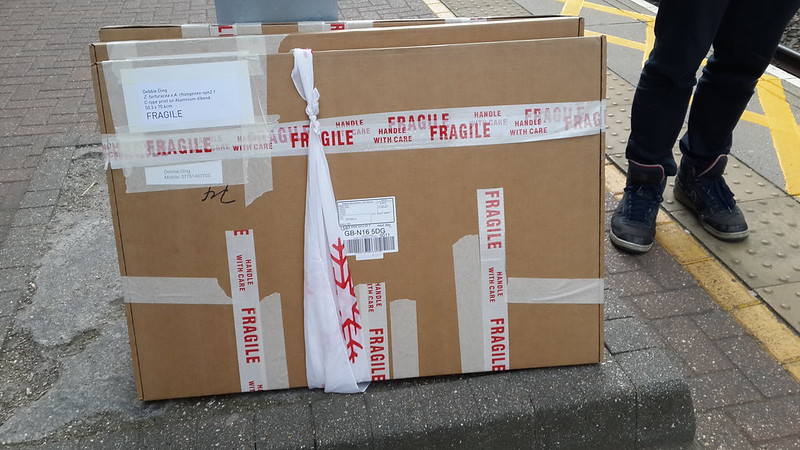
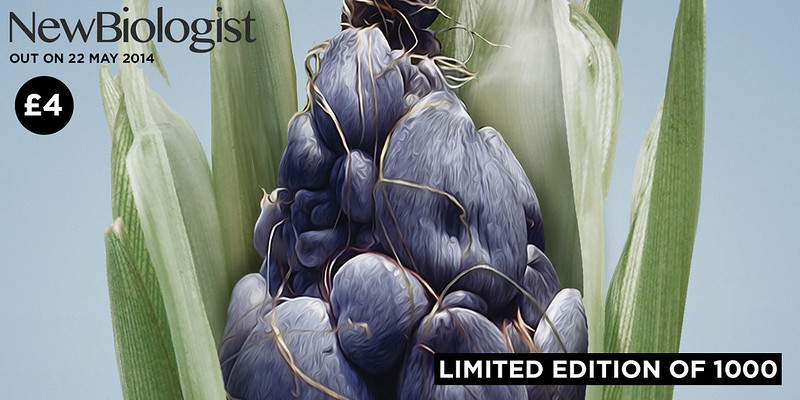
Early this year I began working on a project about the future of plant galls (plant tumours) - and I've written, edited and produced a magazine called "NewBiologist" which will be launched and shown tomorrow along with some prints from my series "Kensington Gall" - in a group show "Second Nature" at Espacio Gallery, which is at 159 Bethnal Green Road. The private view is at 6pm tomorrow. Come down if you are in London!

"Kensington Gall" is a story inspired by popular science journalism in NewScientist and creative non-fiction in the New Yorker, both of which I have been accidentally reading a lot of (because there are always new copies of it in the house thanks to George). I wrote a few other short articles, and spun these stories into a magazine I like to call the "NewBiologist". I've written all of the words and made all of the images in it, and I'd love to hear people's comments about the story. When I have more time to format it, I will release a digital copy as well, but in the meantime if you'd like to support it, please buy a copy of the magazine!

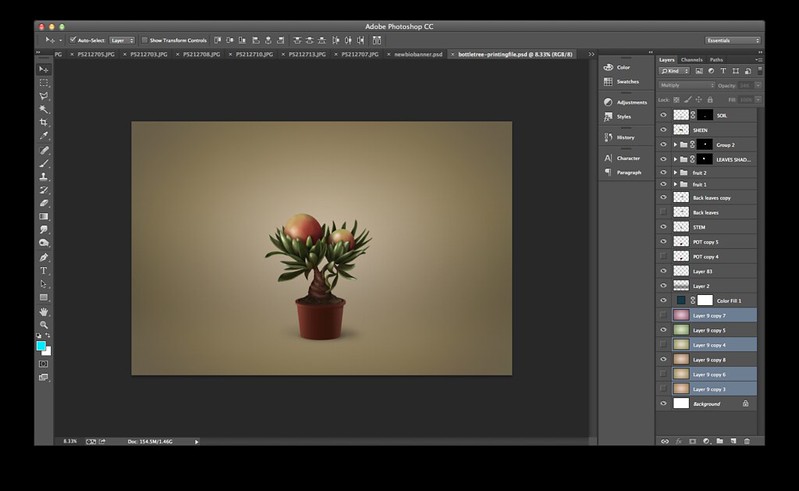
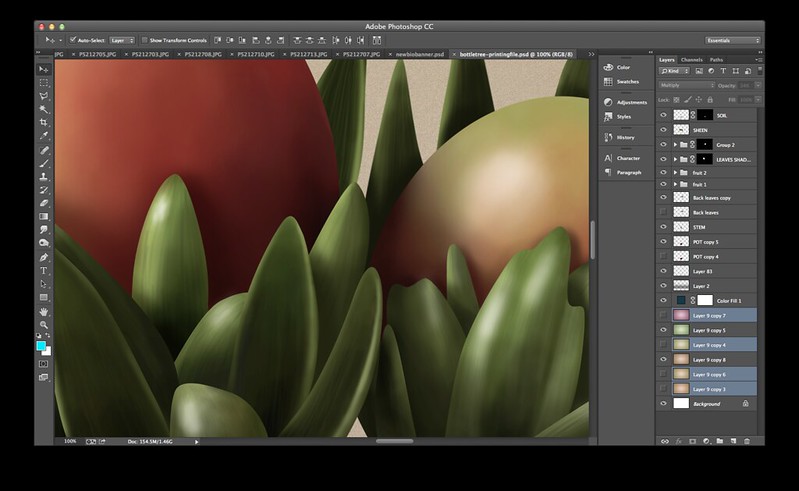
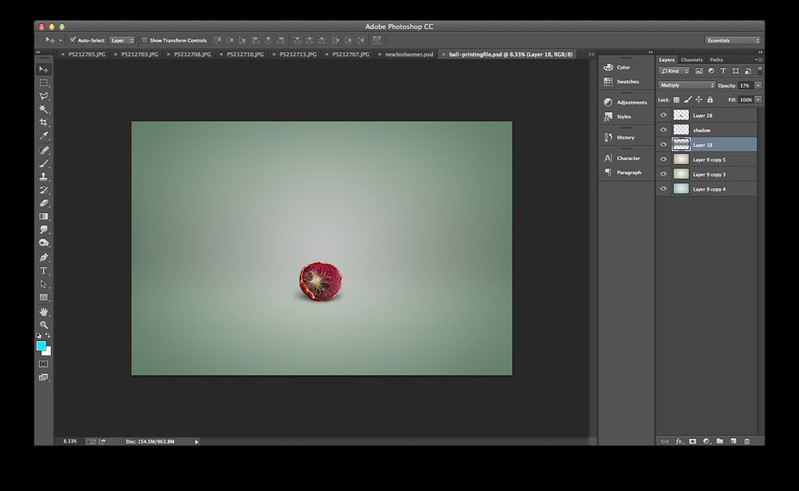
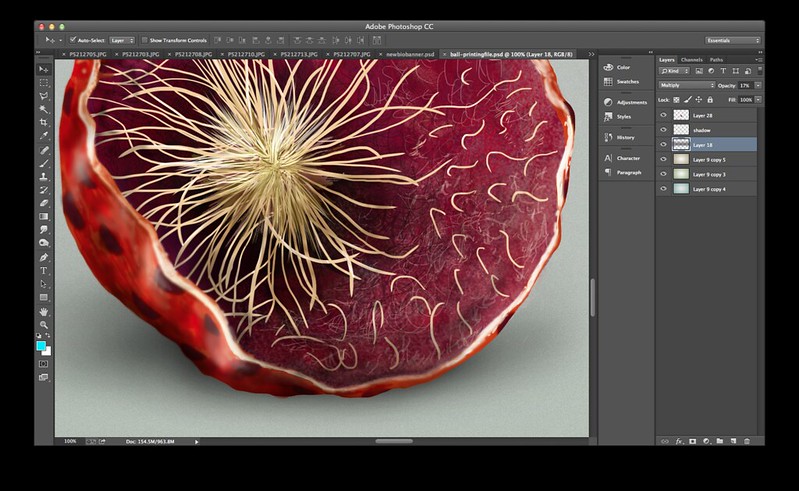
My main goal in the production of these images has been to produce something which has the unreal sheen of something computer-generated, have a high degree of photorealism, but be obviously handdrawn when observed close up. The entire image was digitally painted in Photoshop and is not a photograph.

Screen Shot 2014-05-22 at 1.13.54 AM.png

Screen Shot 2014-05-22 at 1.14.03 AM.png

Screen Shot 2014-05-22 at 1.14.53 AM.png

Screen Shot 2014-05-22 at 1.15.27 AM.png

banner

Plant pathogens such as the fungi Ustilago Maydis infect plants such as corn, by secreting enzymes which stimulate abnormal plant growth. The resultant “corn smut” tumours are considered an undesirable blight in the US, but in Mexico it is a coveted gourmet delicacy that is even sometimes intentionally cultivated, turning pathogen to cultigen.

What if plant tumours were to be intentionally bred and designed for ornamental purposes? In an exploration of long-form creative non-fiction style in popular science journalism today, Debbie Ding investigates these alternative plant futures.

Through the NewBiologist, Artist Debbie Ding interrogates the odd, secretive world of leisure gardeners who use synthetic biology to genetically engineer plant pathogens, which cause different plants to develop visually interesting tumours
- also known as ‘galls’

You can get a copy for £4 at Espacio Gallery or from me directly, or order it via the online cart at http://dbbd.bigcartel.com (£4 + Postage and Packing)


Espacio Gallery
Second Nature
May 22nd - June 3rd 2014


159 Bethnal Green Road
London E2 7DG
Preview Thursday May 22nd 6 - 9pm
Open daily 1-7pm including Weekends
Exhibition closes 5pm Tuesday June 3rd

Espacio Gallery and the Chelsea Fringe are pleased to present Second Nature, an exhibition that showcases exciting ideas from a group of national and international artists. Comprising works in a variety of media, the show provides a fresh look into some of the aspects related to the natural world.

ARTISTS
Tania Beaumont
Jennfier Bennett
Kanwal Dhaliwal
Debbie Ding
Ahmed Faroqui
Leigh Glover
Laura Gompertz
Ewa Goral
Sally Grumbridge
Russell Hall
Kate Nagle
Nicki Rolls
Clare Skill
Kirsty Stutter
Sandie Sutton
Maria Vesterinen
Jessica Ward

Facebook Event: https://www.facebook.com/events/1472083986361590/

Sunday, 18 May 2014

RCA's Department of Environmental Media, 1974-1986


Patrick Keiller - Robinson in Space

Recently I stumbled across a book version of Patrick Keiller's Robinson in Space at the RCA Library, seemingly by coincidence, but later found out that it was probably at RCA Library because Keiller was previously a student at the Department of Environmental Media, which only existed from 1974-1986. From what little I can find out about it online, it was founded by Peter Kardia who seems to have been quite a visionary educator. Prior to setting up the Department of Environmental Media at RCA, he was known for his "locked room" experiments at Saint Martins College.

From Shadowboxing: "The Environmental Media department, which existed from 1971 to 1986, was set up for ‘students requiring extended or mixed media facilities and for those whose work includes proposals for redefinition of conventional fine art boundaries’ (Annual Prospectus 1976-77). An experiment in interdisciplinary practice, the course was not well aligned with other College departments, which were defined by more traditional subject areas, such as painting and sculpture. ‘[Environmental Media] students [were] expected to create for themselves the conditions, which [would] enable them to work self-sufficiently for limited periods, isolated from criticism’ (Annual Prospectus 1974-75). Students were able to work conceptually, and with emerging media such as video, as well as embracing the more conventional means of production, seemingly free to create their own terms."

It seemed interesting to find out the origin of the Department; and where better than to have traced it to a book with a section by Peter Kardia himself. In "From Floor to Sky: The Experience of the Art School Studio" (Hester Westley, Malcolm Le Grice), in a section "Art and Art Teaching" by Peter Kardia, he writes it began with the Stained Glass Department, which initially worked within the administrative framework of School of Interior Design, but it had begun to admit students with fine-art backgrounds, students who were interested with environment and the effects on an particular environment of illumination coming in from stained-glass windows, and different types of media and technology was also introduced. So "in 1970 a Department of Light Transmission and Projection was formed, including what had hitherto been the Stained Glass Department but also a new section named Environmental Media, for which elementary equipment that was listed as being obtained included tape recorder, video camera, stills camera, and sound synthesizer." The next year Stained Glass and Acrylics moved back to School of Ceramics, and Environmental Media moved to Sculpture.

Sadly I also read in this account that it was the appointment of a new rector Jocelyn Stevens. "It was not long after [Stevens'] appointment that he proposed the closure of the Department of Design Research and the Department of Environmental Media. When this became widely known, there were many objections and the matter was even raised by the MP Tam Dalyell in Parliament. The rector however, would not go back on his decision, and the Department was finally closed in 1986."

It is fascinating to consider that alterations to, and the closure of a university department should even warrant a discussion in Parliament; education after all should be a priority. Why did Stevens want to close Design Research and Environmental Media? Was it really just because they were too politicised? How, and why? And what was it allowed to happen, even without knowing the details I question why someone should reject a way of learning and teaching or close a new and possible mode of inquiry? I should like to research and understand why this was so.

In the context of the current situation at RCA, I think we should not be complacent to think that even our department is immune to change - and immune to suddenly not existing. Seeing the situation with the large increases in intakes for the other design programmes which have caused such pressures on space and facilities for students and staff, and the introduction of seemingly commercially oriented courses which seems to be pandering to commercial interests - I worry sometimes that the direction may have been lost - I'd assume that the goal of a school like Royal College of Art would be to produce leaders who will make challenging work or experimental work. And I had specifically decided to come to RCA to study at Design Interactions precisely because I didn't want to study in a place where ideas would be dictated by money and politics... (ie. I didn't want to study in Singapore...)

As Cheo Chai Hiang puts rather eloquently in a recent article:

"Having lived and worked overseas for more than 30 years, I take it almost as a given that an artist requires freedom in order to engage in radical research and experimentation, especially when finding new ways of challenging established modes of visual arts practice. Since returning to Singapore in 2003, I have seen the cultural, social and political pressures that are exerted by the government to ensure that individuals conform to conservative and safe norms. Hence the artist is required to exercise extreme caution, which eventually stifles the will to think critically and creatively (...) Perhaps, in addition to Dr. Ellis’s question “Will the gifted blossom?” we should also be asking two further questions: Are current educational approaches really designed to nurture those destined to be our future arts practitioners? If so, how can we encourage these individuals to blossom in Singapore rather than elsewhere?..."

The Tableaux Vivants of Manchester Museum

P5142422

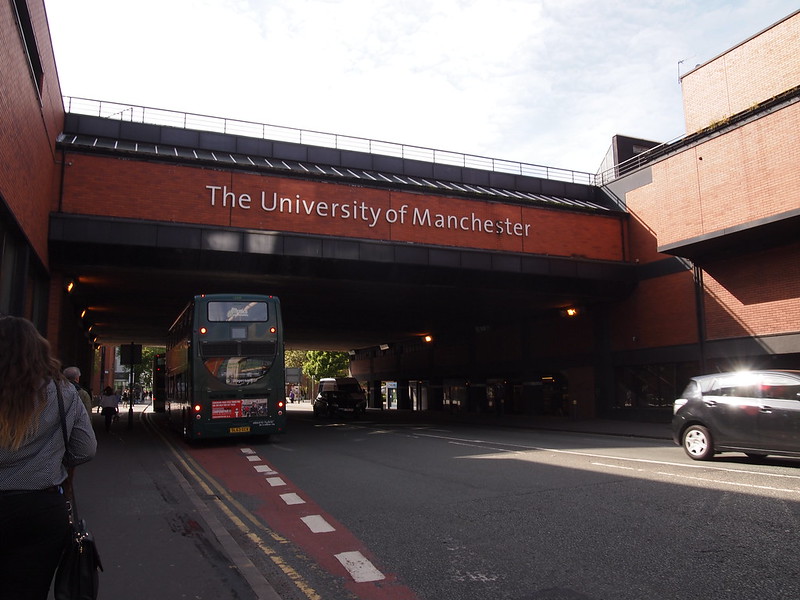
On a recent day trip to Manchester, I visited the Manchester Museum, the museum of the University of Manchester. It happened to be directly opposite the building I was in - right opposite Kilburn Building (blocky, red-bricked Computer Science building) and University Place (building which looks like a big tin can). I was unexpectedly ejected from a campus eatery at 2.30pm, and by this point I required a little break from the non-stop RUINS THEORISING going on, and how fortuitious to have a museum right there...

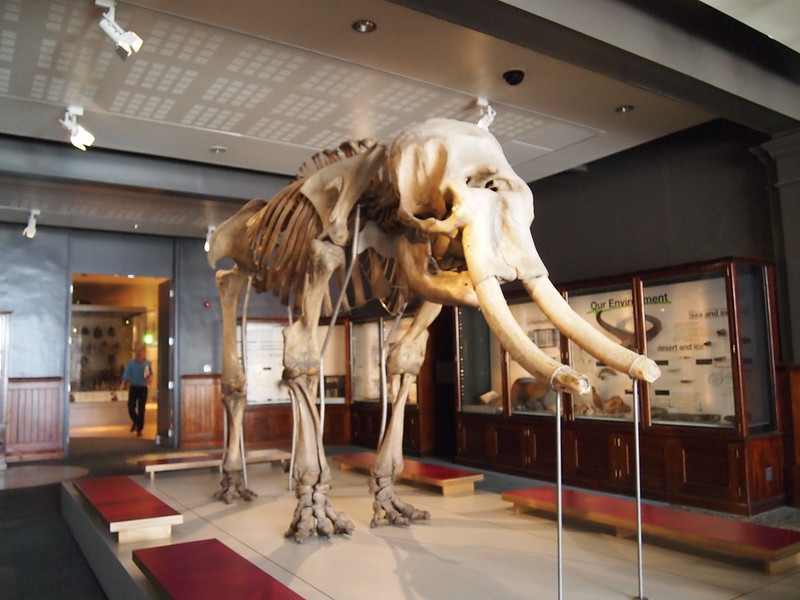
The ground floor has a temporary gallery space which currently has an exhibition called "From the War of Nature", which uses tableaux vivants to tell various stories of different animal communities fighting for survival in nature. This temporary show has no scientific labels and the stories were painted in broad and rather general strokes, which seemed odd to me even if the taxidermy was beautiful. I actually almost stopped at this point, but fortunately I decided I might as well continue on to the second floor...

P5142451

P5142454

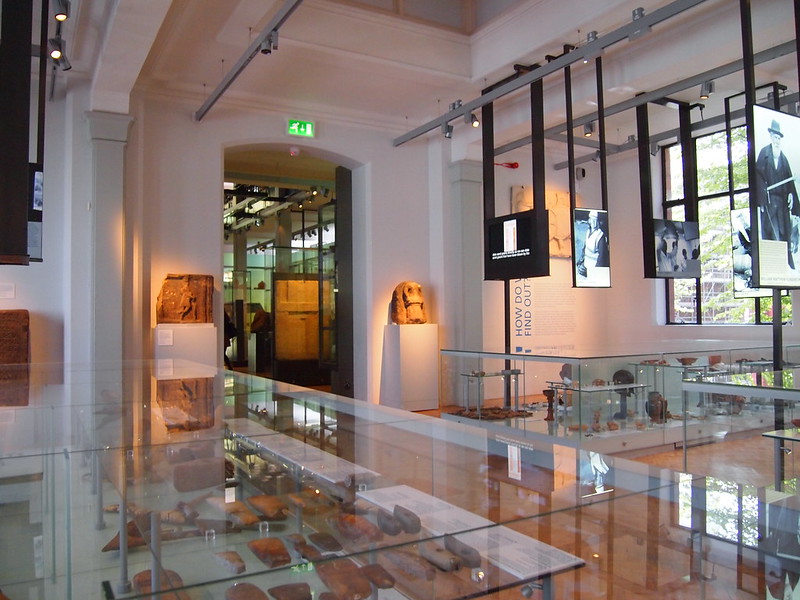
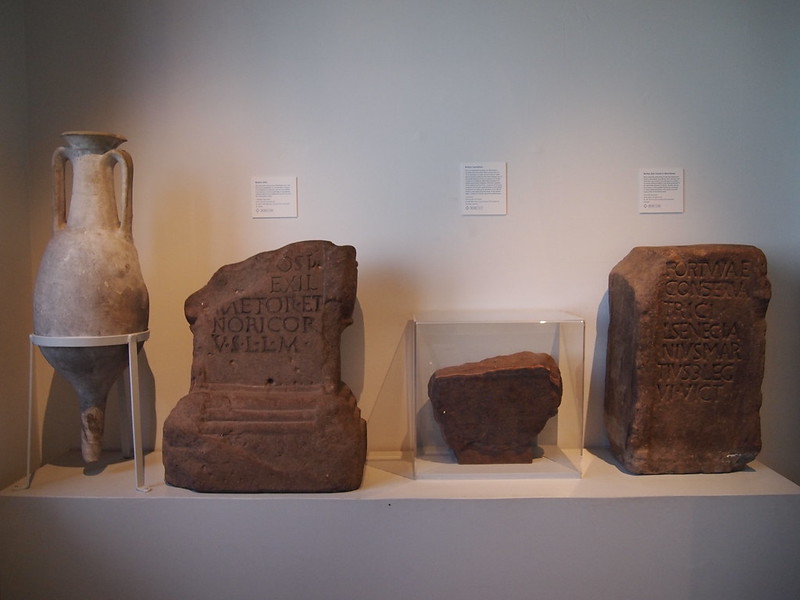
Things looked a lot more exciting upstairs, which began with some local archaeology of Manchester, including a collection of roman artefacts...

P5142455

P5142458

P5142469

P5142474

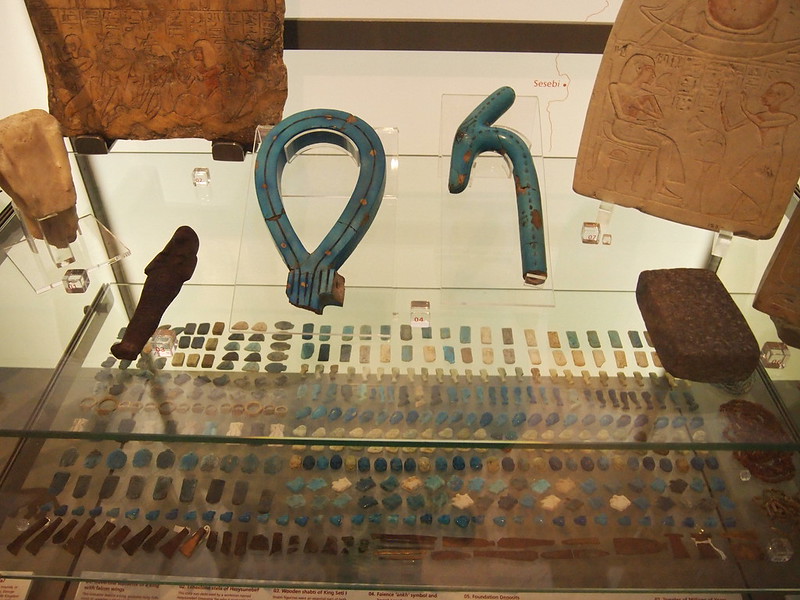
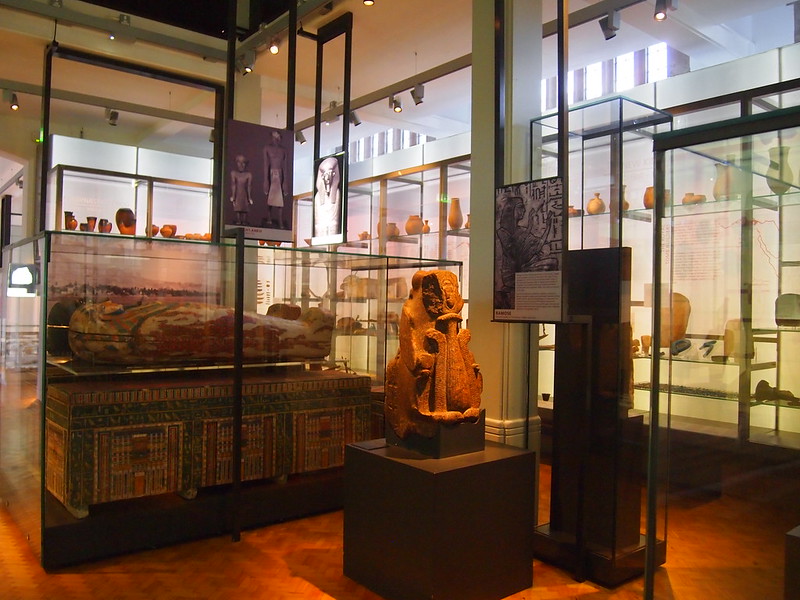
It was followed by what appears to be a rather comprehensive Ancient Egyptian collection, one of the most comprehensive in the UK - with apparently around 16000 objects in their Egyptology collection, including objects from prehistoric Egypt (c. 10,000 BC) to the Byzantine era (up to around AD 600).

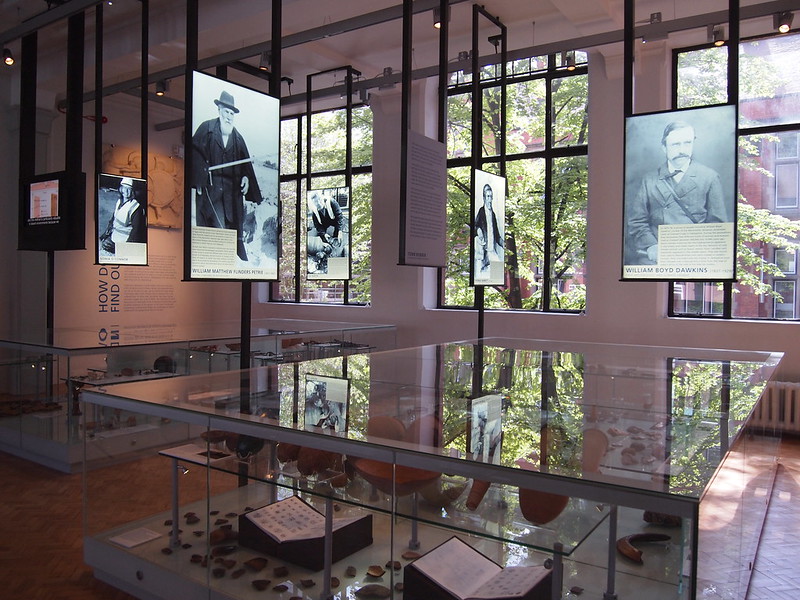
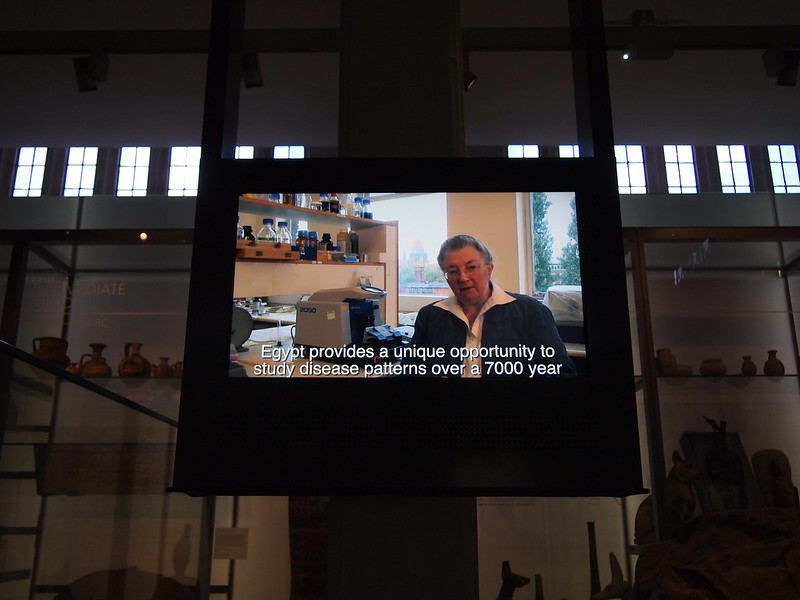
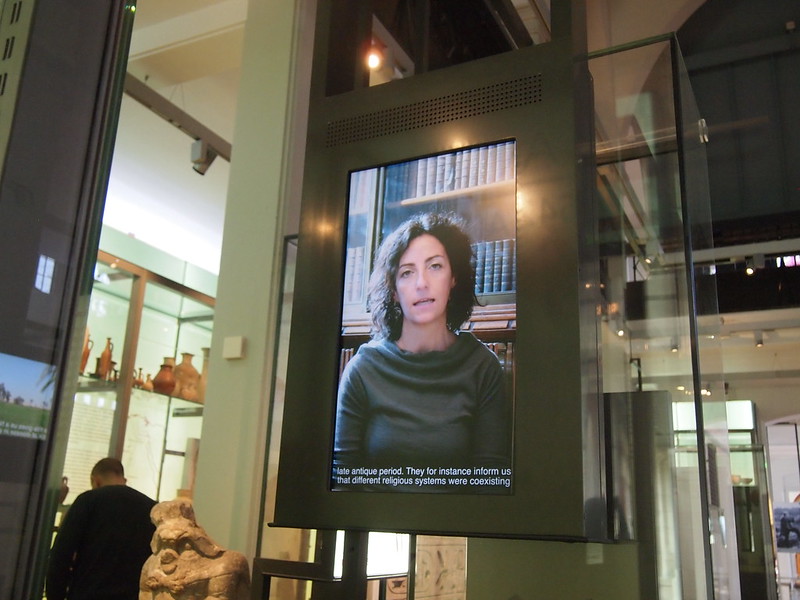
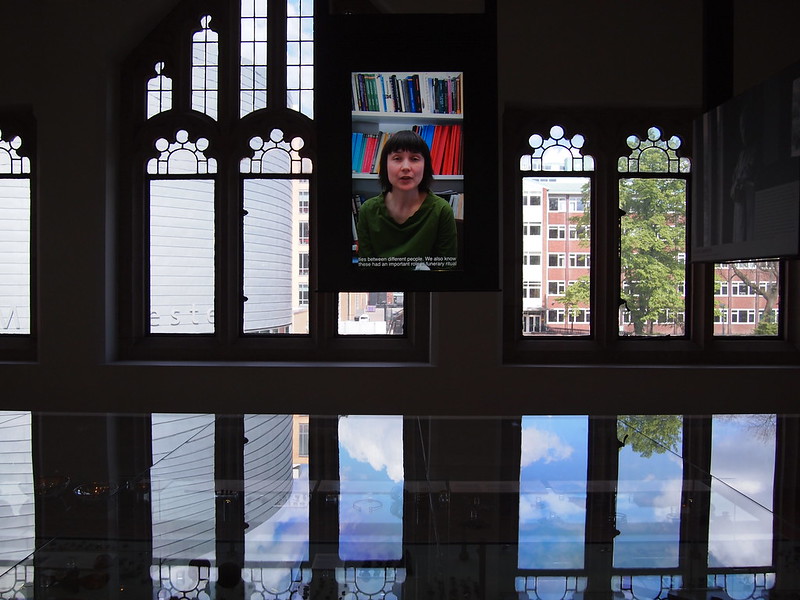
I suppose one thing that endeared me to this museum was the presence of these screens everywhere, which featured actual interviews with people working with the artefacts, and some screens featuring young visitors' reflections on the artefacts, drawing a connection between the artefacts and our daily life. This made the temporary exhibition downstairs make more sense - since I understood that the museum was designed to be as accessible as possible and more of an educational experience, a kind of space which wouldn't really portray Natural History and Science as something technical and complex, but instead as something to inspire the imagination.

P5142475

P5142476

P5142456

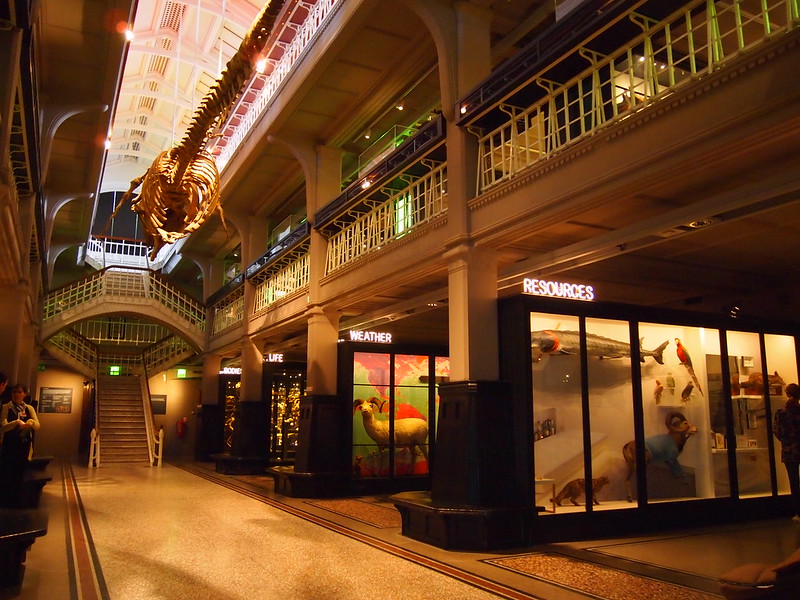
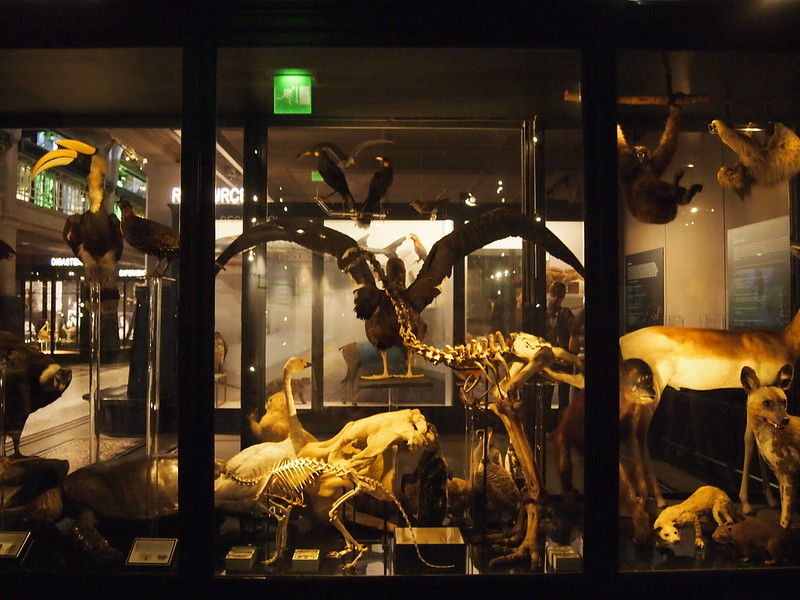
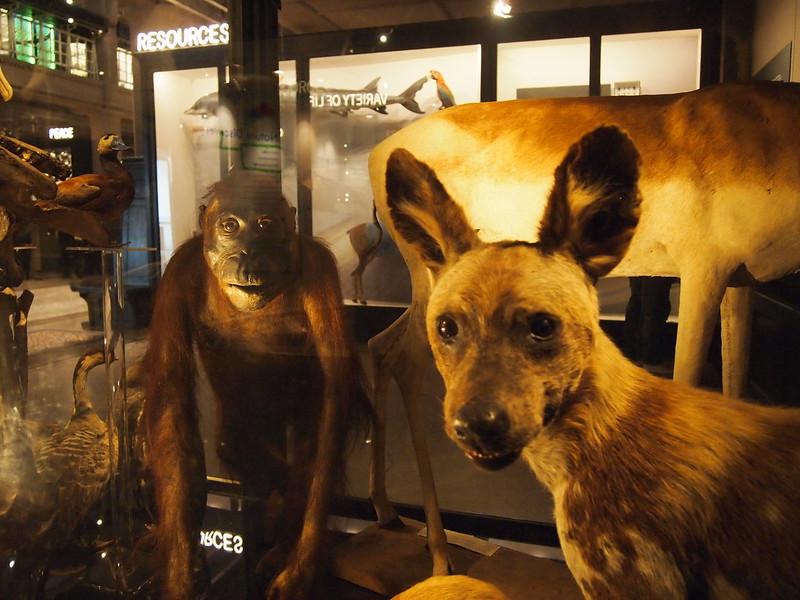
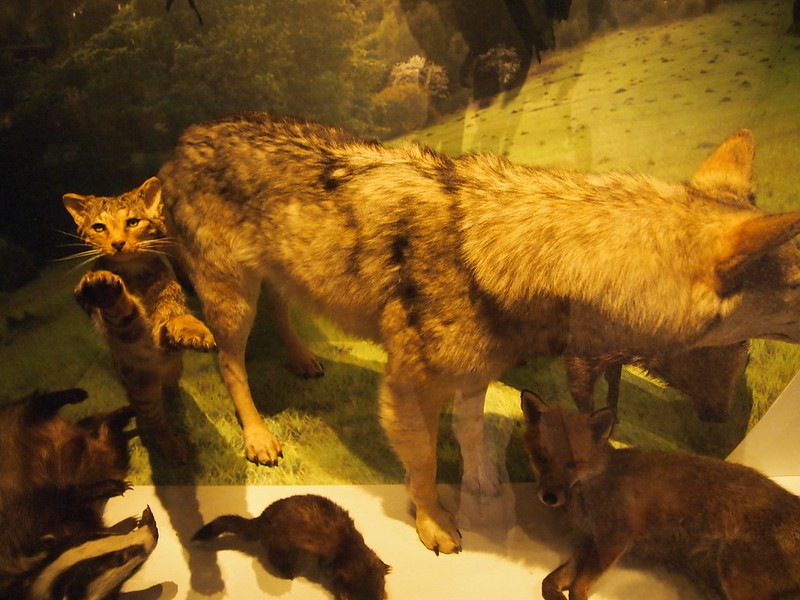
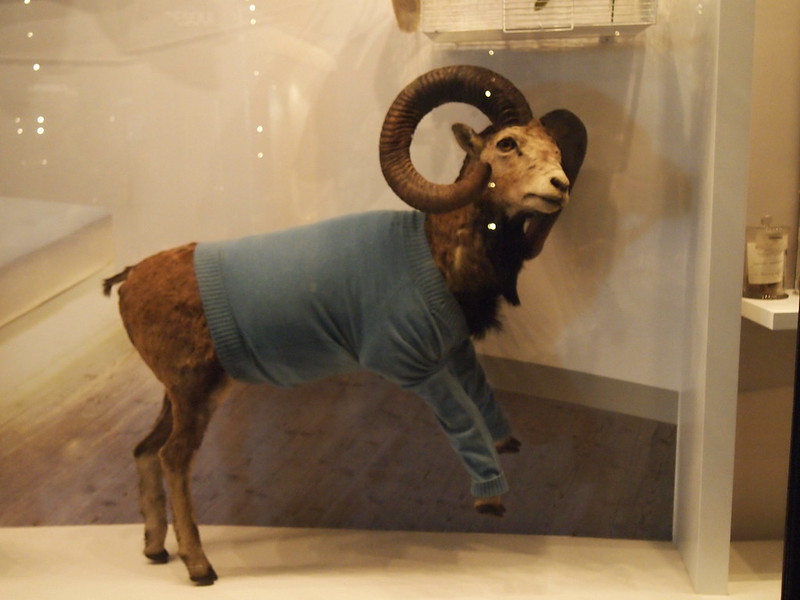
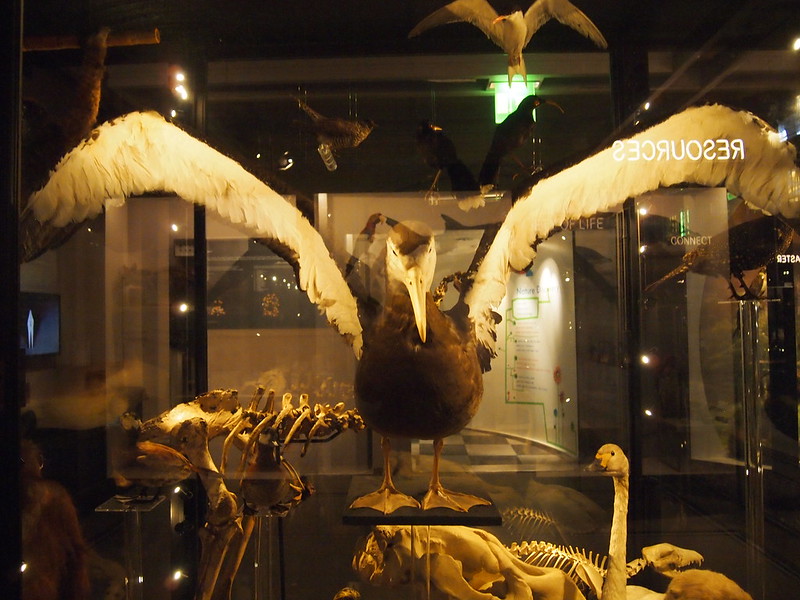
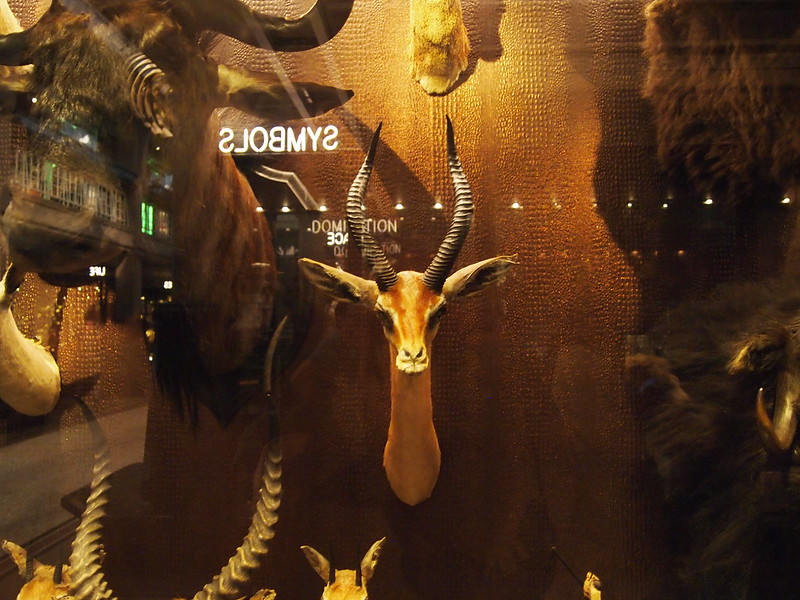
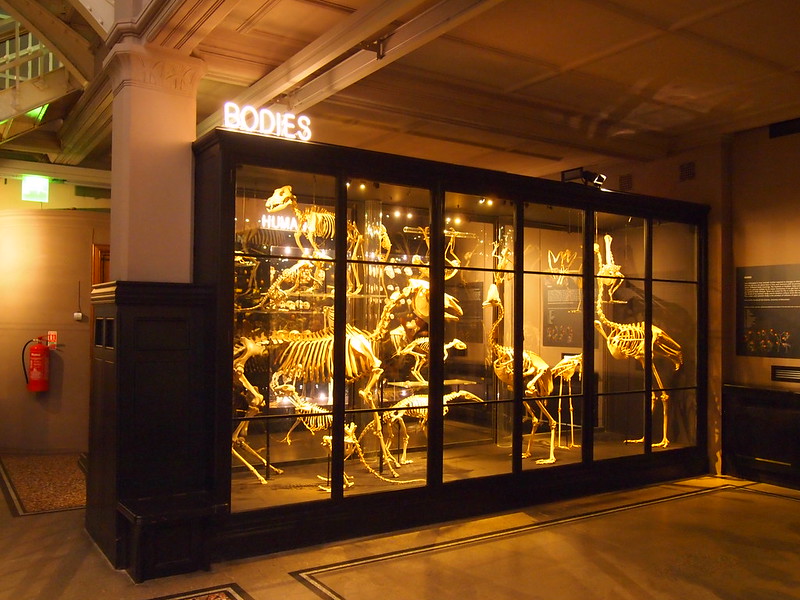
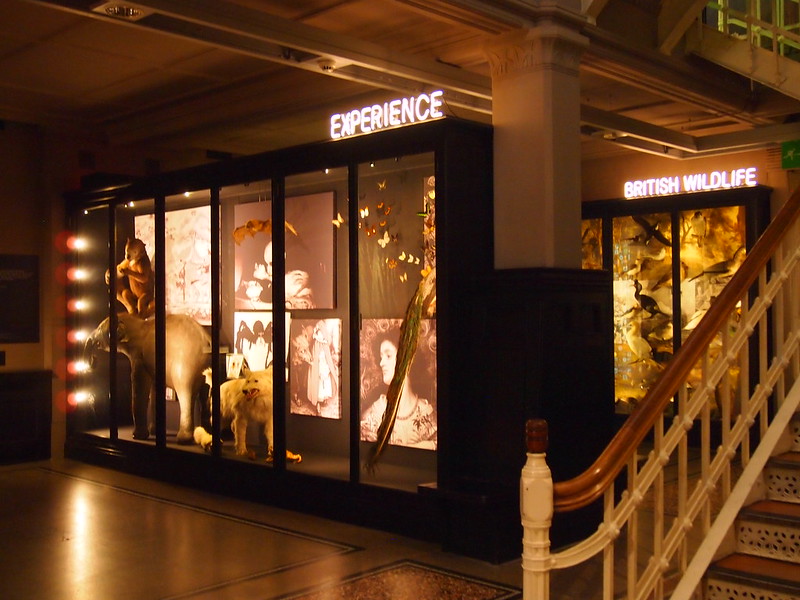
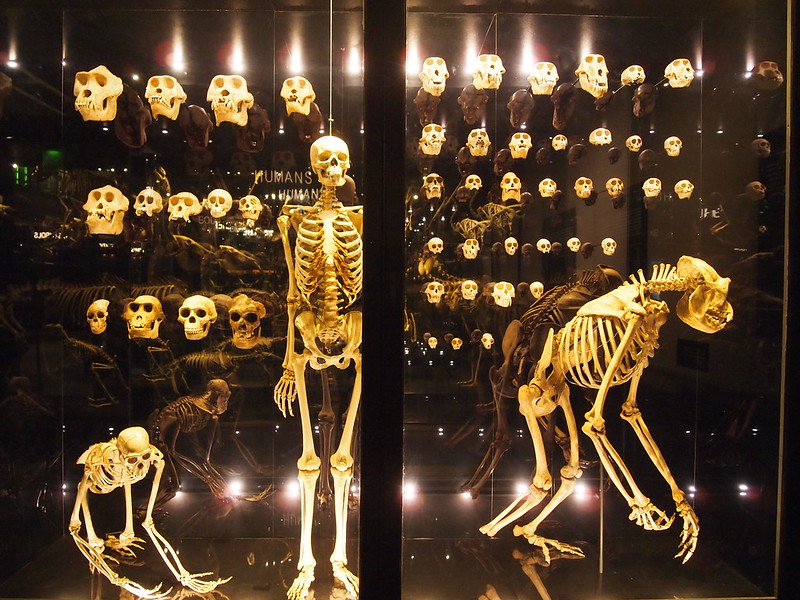
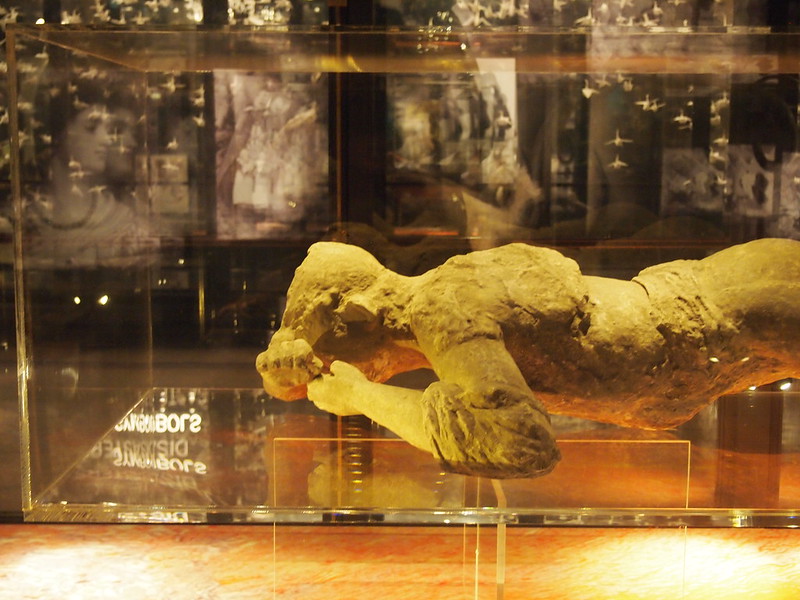
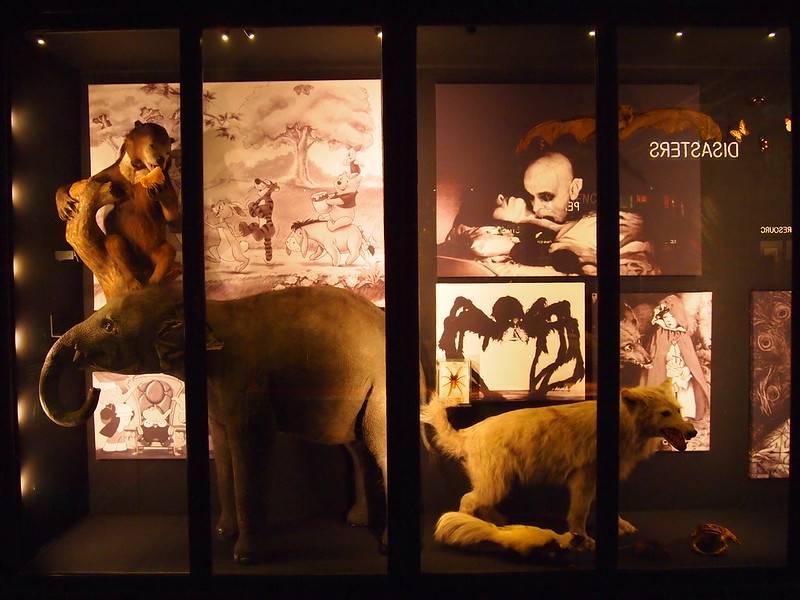
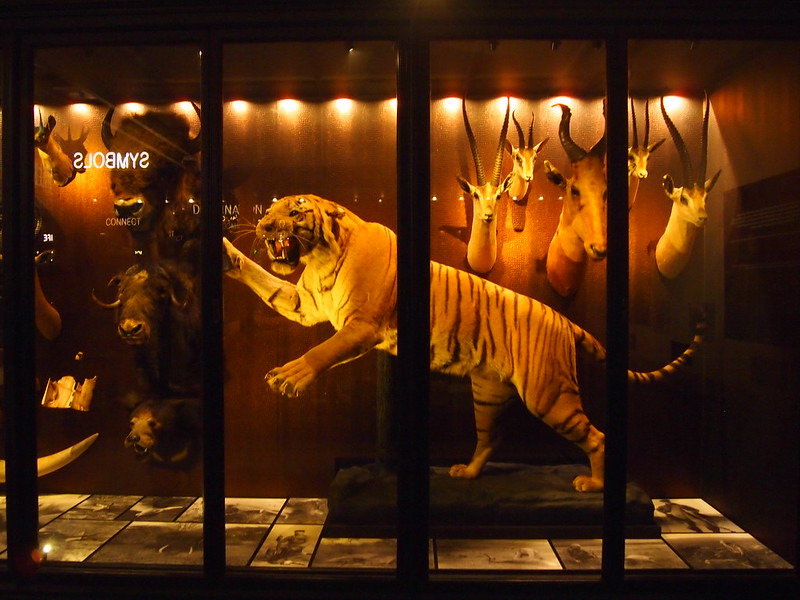
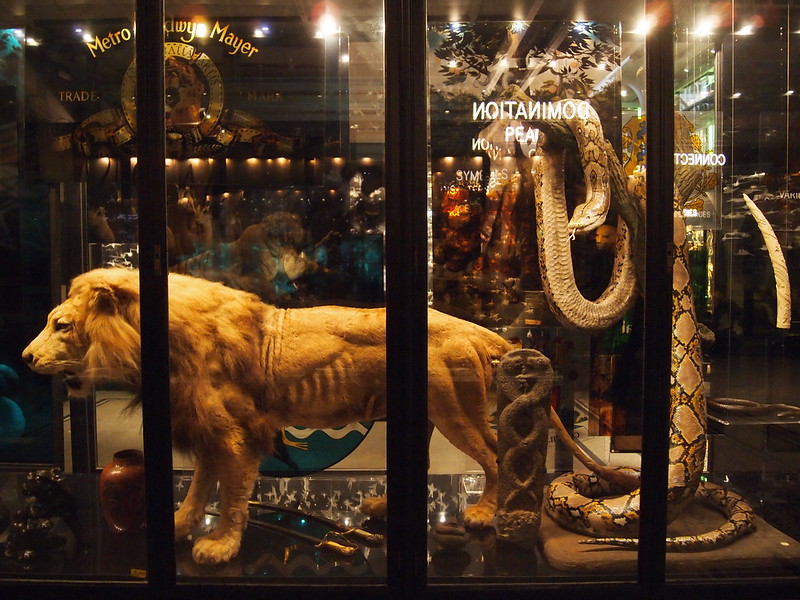
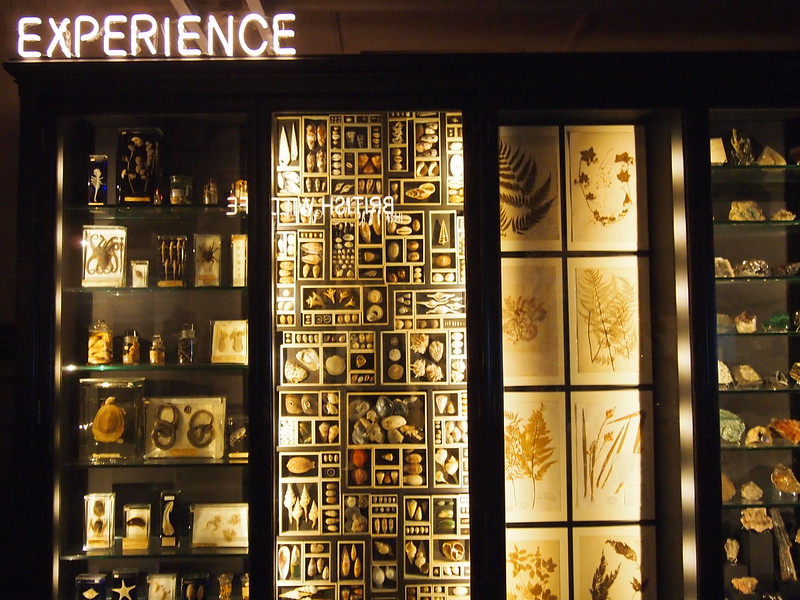
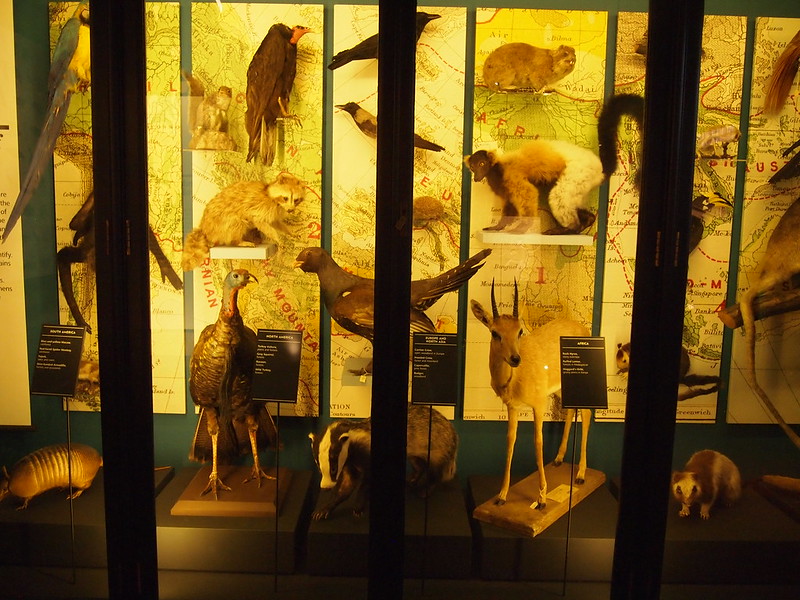
Next up was the most curious hall ever - more tableaux vivants which seemed almost like art installations, based on very broad issues and themes such as EXPERIENCE.... PEACE.... etc.

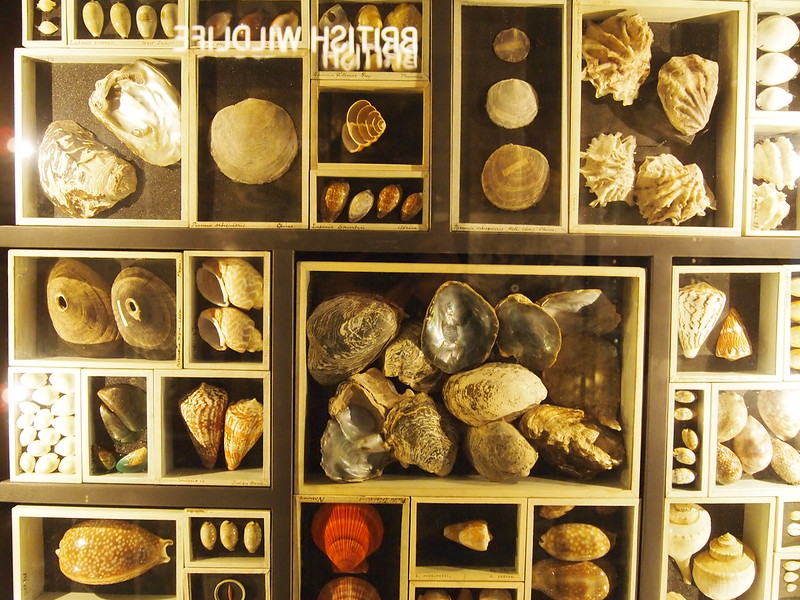
On the sides, they were flanked with thoughtful quotations by people working at University of Manchester who were deeply involved in researching those areas. For example, in a section about British Wildlife, they had an interview from a guy who worked in a wildlife protection group, and they had him telling a beatific story about how he went camping once and woke up alone in the middle of the English countryside and watched a bird flapping off into the sunrise in a sort of reverie, feeling the interconnectedness of life and the simple beauty of nature. I have to admit that this kind of naive earnestness in the video presentations veered rather dangerously on the romantic and trite - but in the end I still feel the intentions and sentiments behind it all were generally good.

P5142477

P5142478

P5142479

P5142481

P5142482

P5142483

P5142486

P5142487

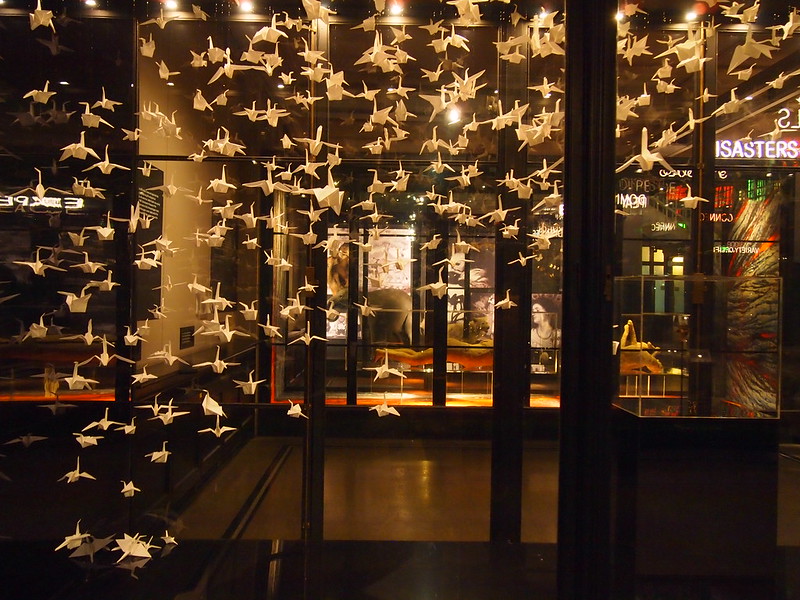
An installation of cranes???

P5142489

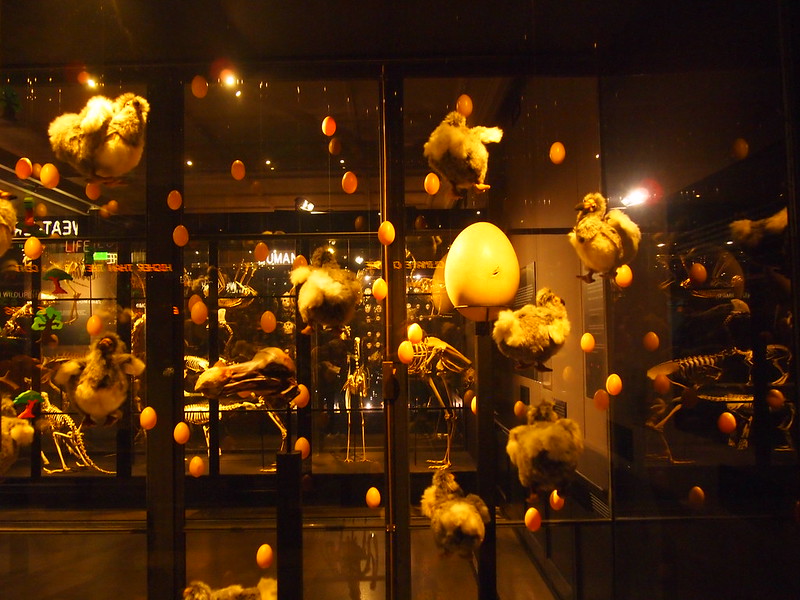
Floating stuffed dodos and eggs???

P5142491

P5142492

P5142496

P5142501

P5142502

P5142503

P5142504

P5142505

P5142513

P5142514

P5142515

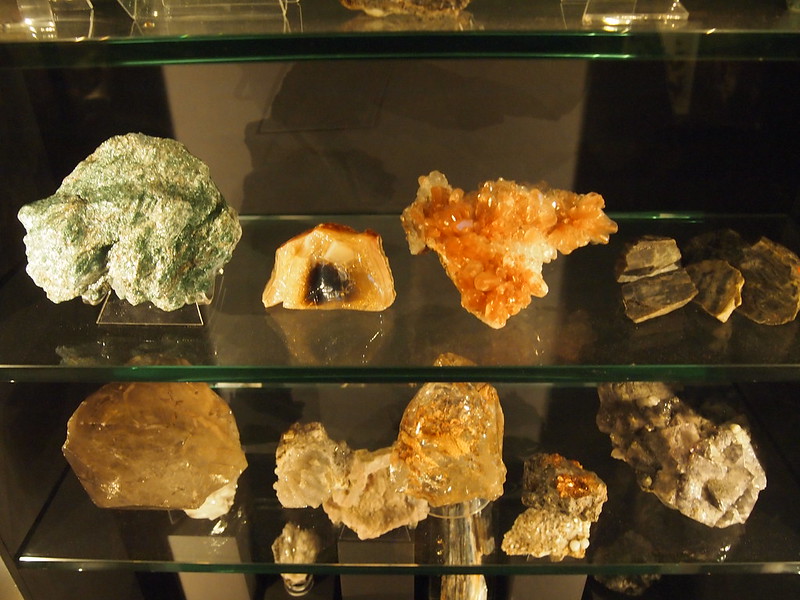
Rock

P5142516

Collections

P5142522

P5142529

P5142535

P5142536

P5142540

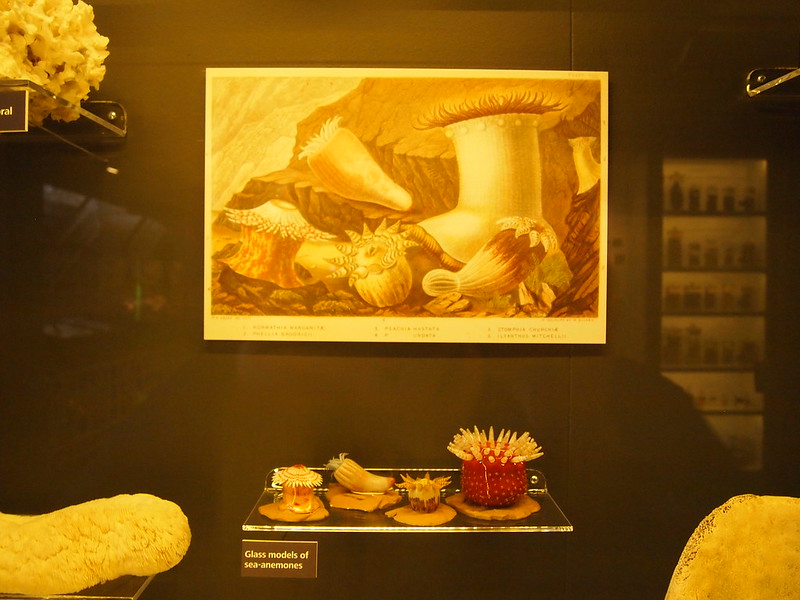
Blaschka Glass Models!

P5142547

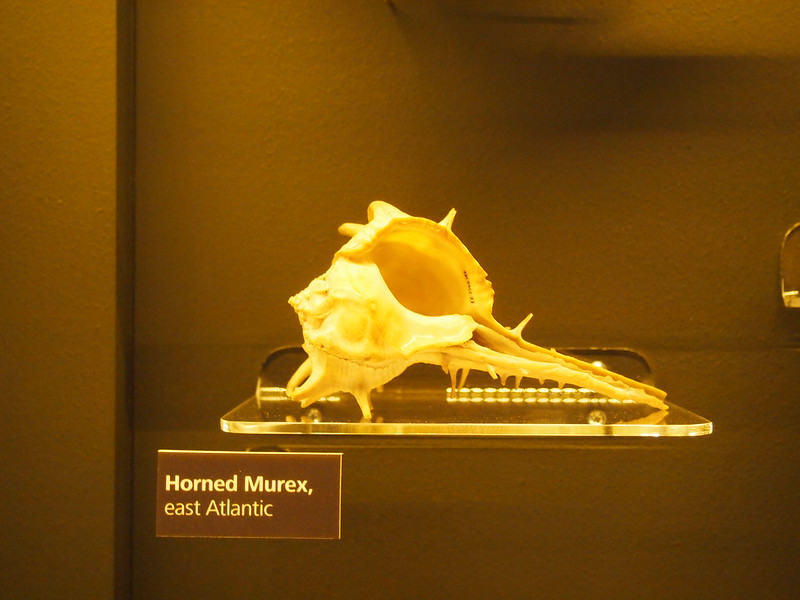
Horned Murex

P5142548

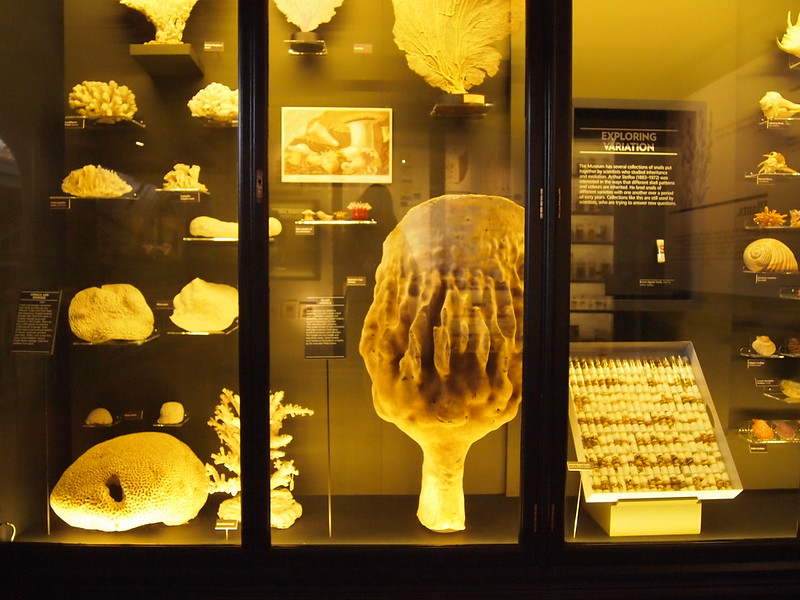
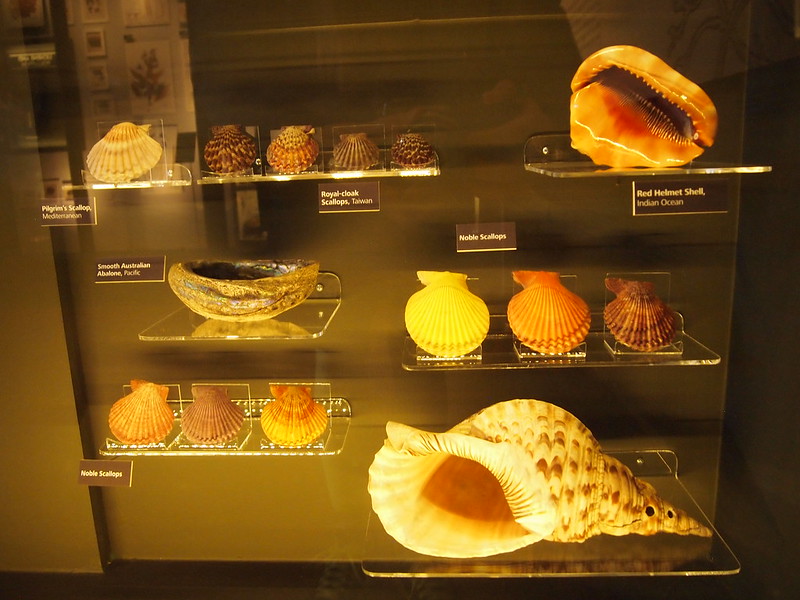
Shells

P5142544

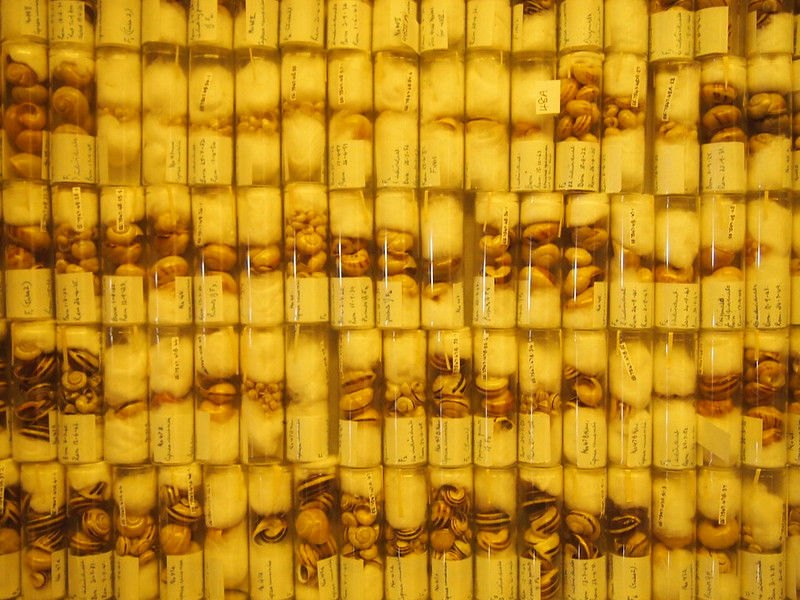
Snails

P5142554

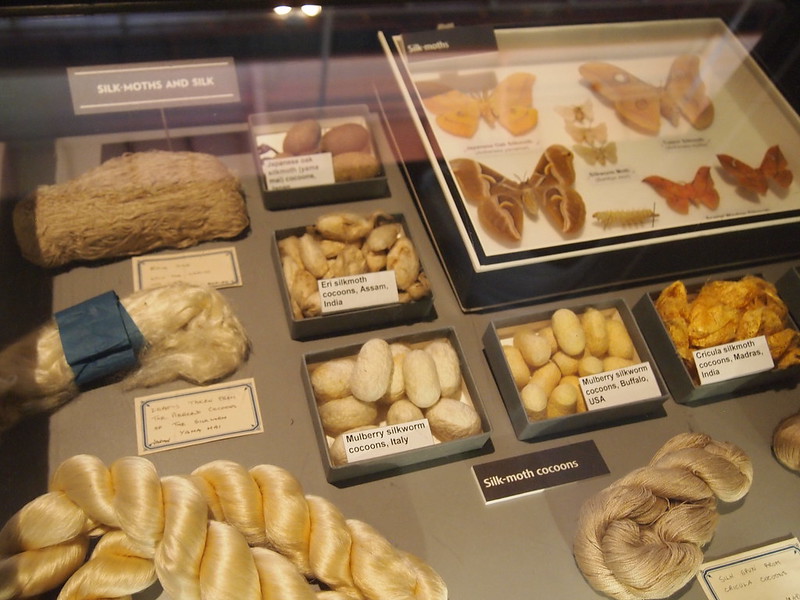
Moths

P5142564

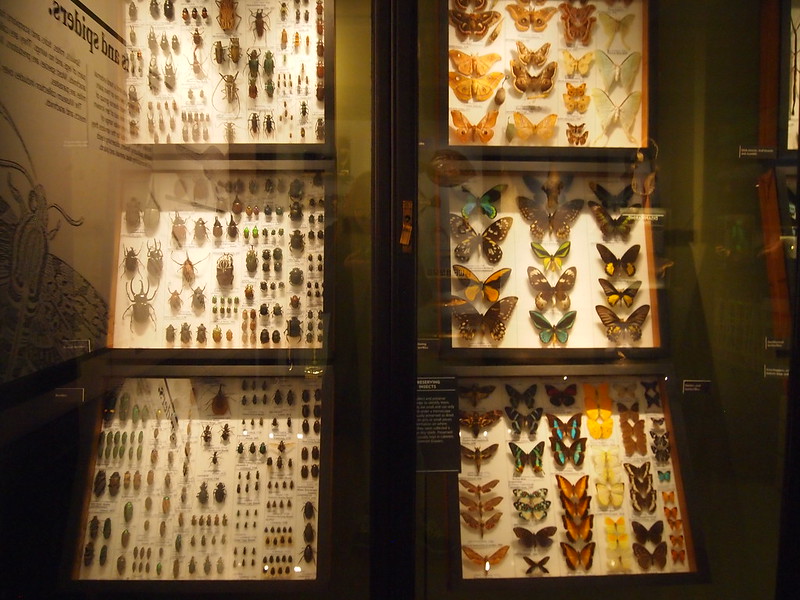
Insects

P5142560

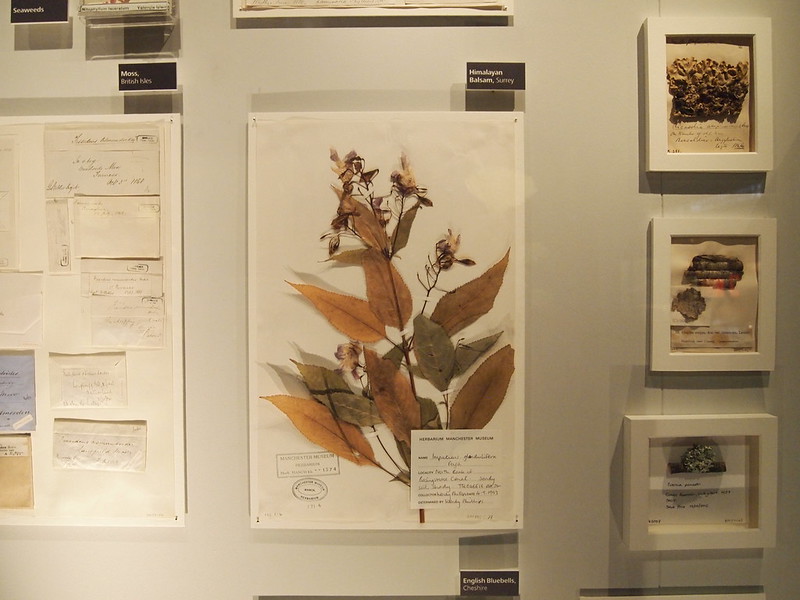
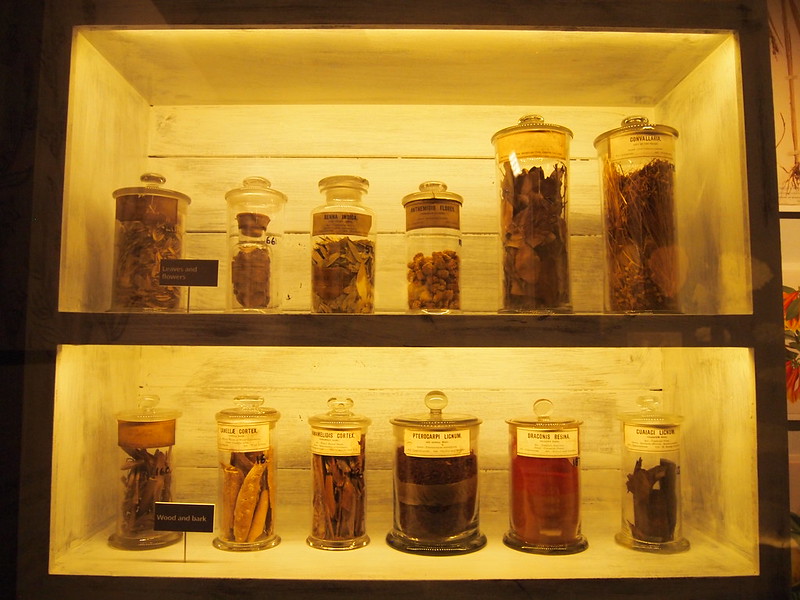
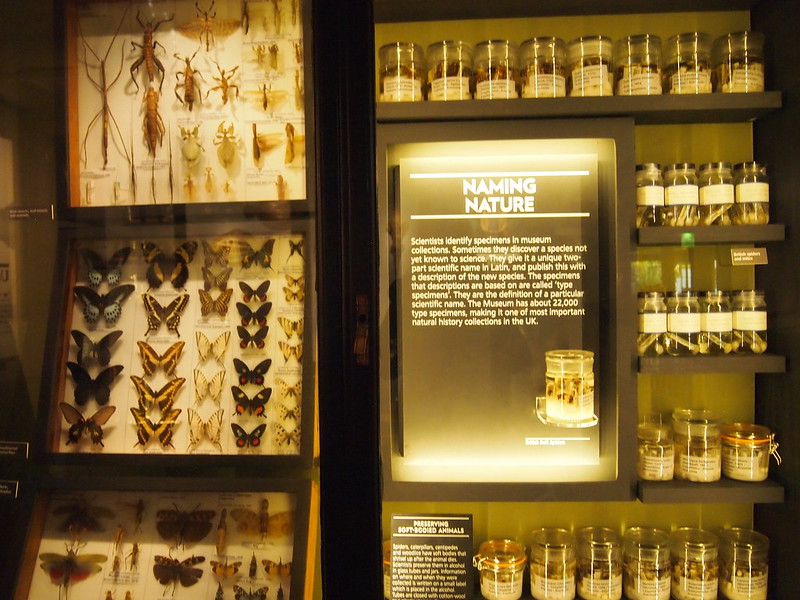
It says here that Manchester Museum has over 22000 type specimens. Also, to put things into perspective, Manchester Museum apparently has around 4 million specimens. Natural History Museum in London has over 28 million specimens. Still, these are collections that have involved the life's work of so many different individuals over the years.

P5142566

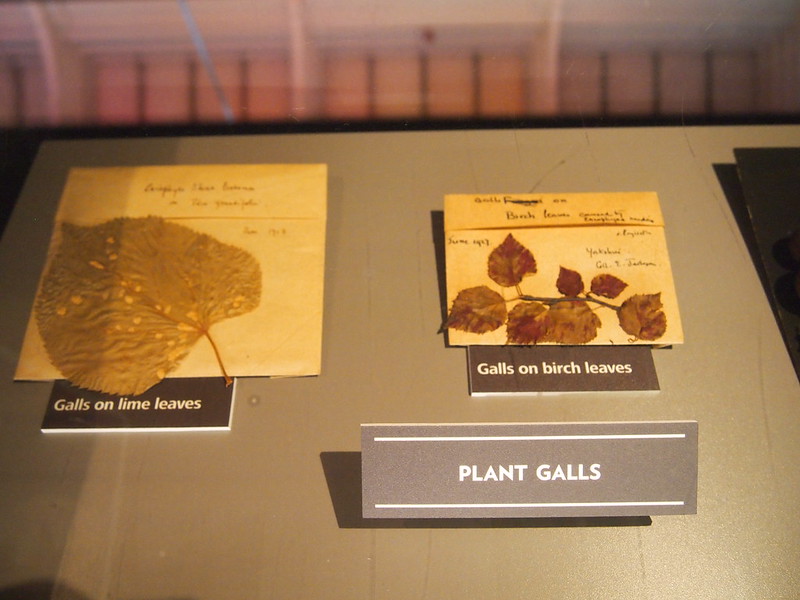
PLANT GALLS!!!

P5142568

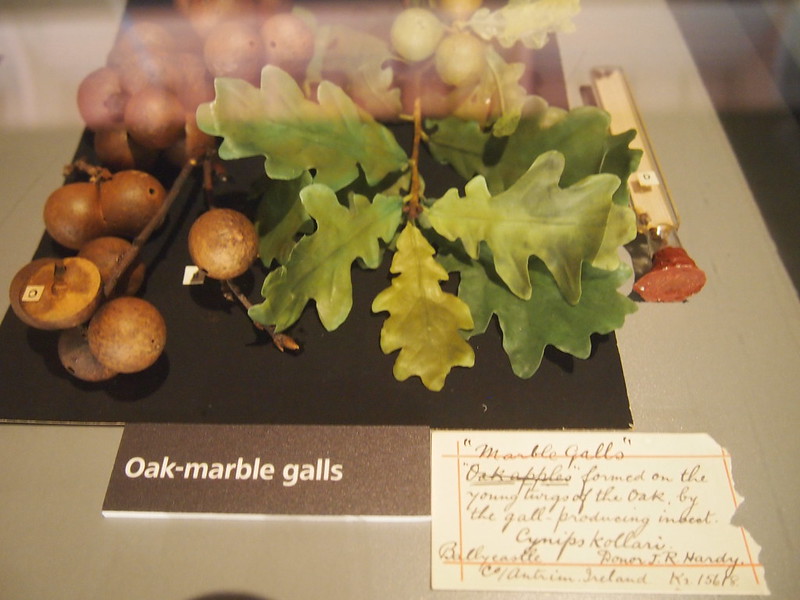
OAK MARBLE GALLS!!!

P5142572

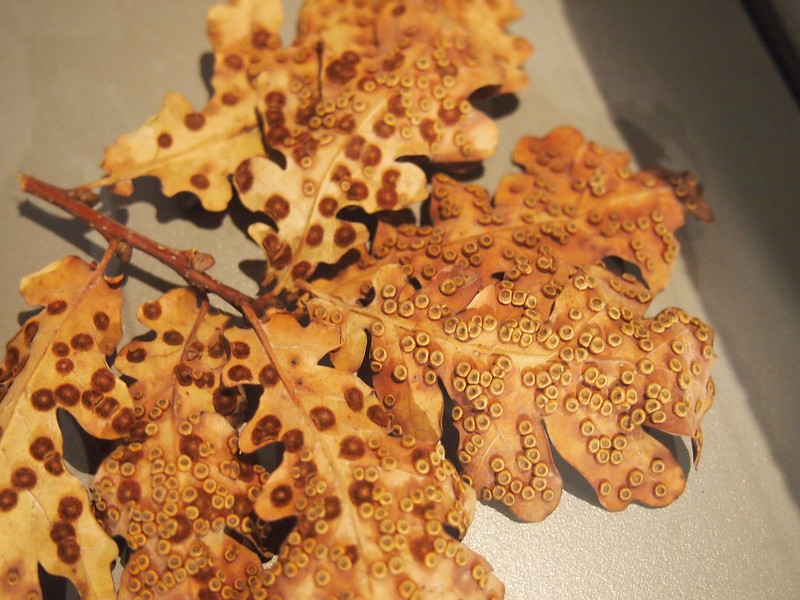
Silk-button Spangle Galls!!!
Need I explain how excited I am to see a plant gall section?

P5142586

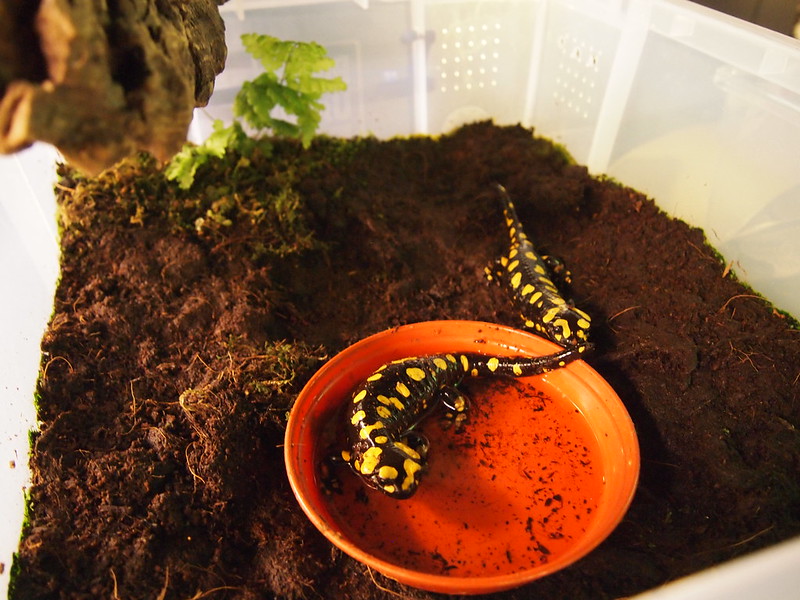
Fire Salamander in the vivarium, just arrived! (living animal section)

There are too many photos so I will end here for now. With such a vast collection including a section dedicated to "Museumology" and "collections", where I saw a section on Egyptian fakes and its no surprise that later when I checked it up, I found out that Mark Dion's "Bureau for the Centre for the Study of Surrealism and Its Legacy" was actually put together from Manchester Museum's vast collections - which, as with any huge collection, is bound to be full of eccentricities and overlooked corners full of strange items, unusable models, fakes, and other items.