Tuesday, 7 March 2017

Multi-electrification system on Hertford Loop Line: Drayton Park's electric sizzle

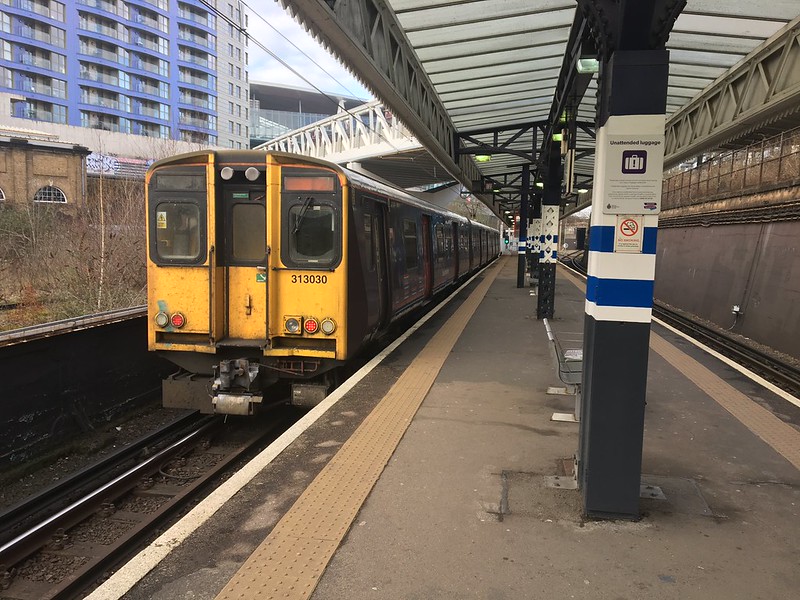
313030 Drayton Park 20170214

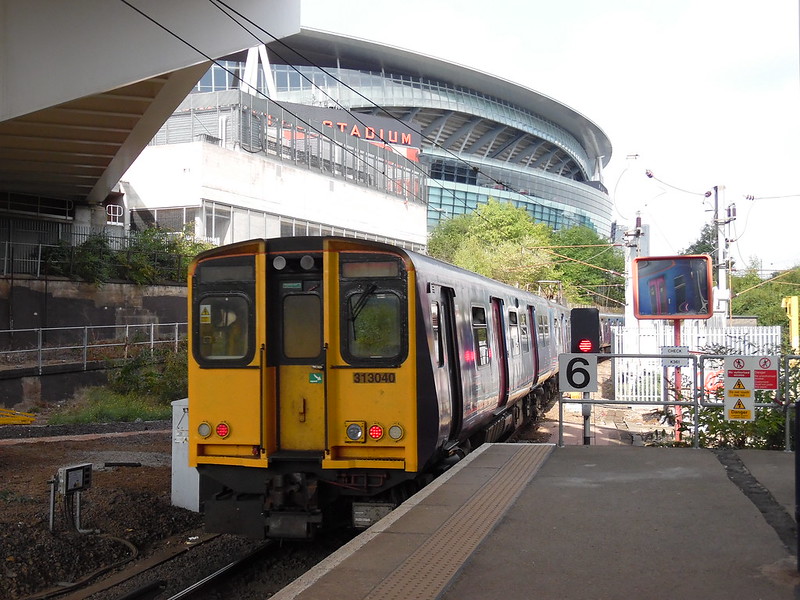
FCC 313040 @ Drayton Park

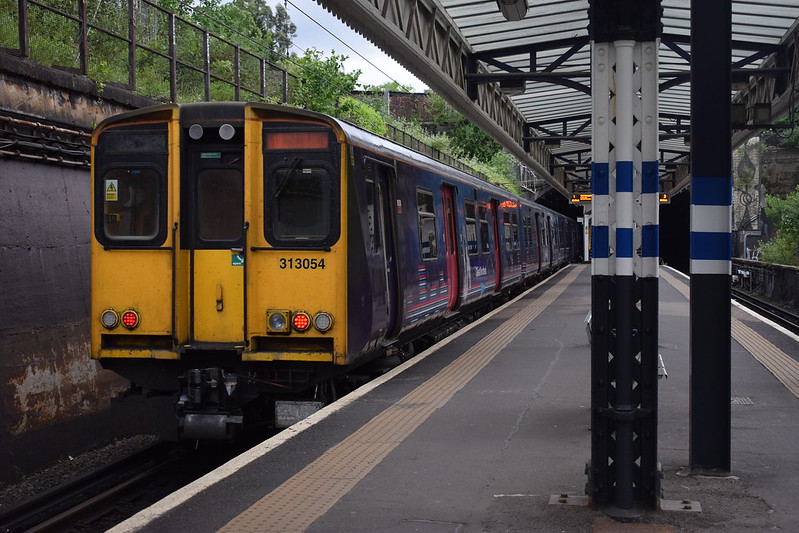
313054 Drayton Park

FUN FACTS ABOUT THE HERTS LOOP TRAINS!: An interesting fact is that the Moorgate to Drayton Park segment of the Hertford Loop line is underground and uses third rail DC (750V). Whenever trains stop at Drayton Park from either direction, you'll always hear an electric sizzle followed by the engine cutting out, and the lights on board the train will black out temporarily, as it being switched to or from overhead AC (250kV). Due to the gradient of the train and timing in which the driver conducts the switch, the electrical switch is usually more apparent when coming down from the North to Moorgate.

Most of the trains I've taken have involved only one railway electrification system, a multi-system rail like this usually only occurs where trains cross a boundary, such as a national boundary, where two different countries have implemented different electrification systems.

Sunday, 5 March 2017

Lavender Hill Cemetery: what is your likelihood of being crushed by a falling headstone? and what's happening to the design of baby memorials in the UK today?

Photo documentation of a circular walk around Gordon Hill, Lavender Hill, Strayfields, and Hillyfields
Untitled

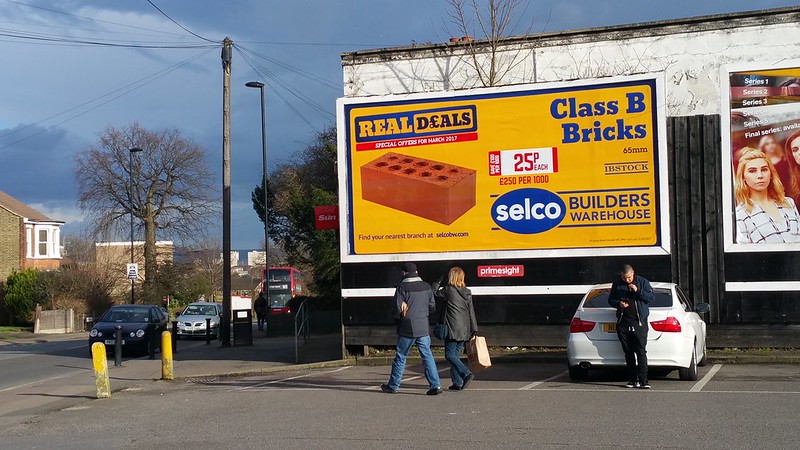
It appears to me as if travellers on the Herts Loop are the target market for Class B Bricks; I have seen this ad on several of the stops just beyond Zone 4. Class B are those generic red engineering bricks that are most commonly used in Britain - cheaper than Class A,
Untitled

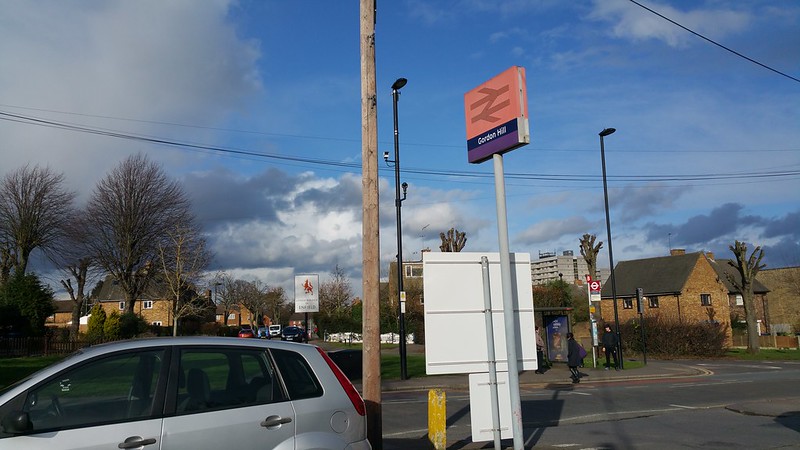
Gordon Hill is in Zone 5 which makes it an affordable and quick stop to get to from Harringay. On this walk I decided to hit up a couple cemeteries and do a sort of circular walk around the area.
Untitled

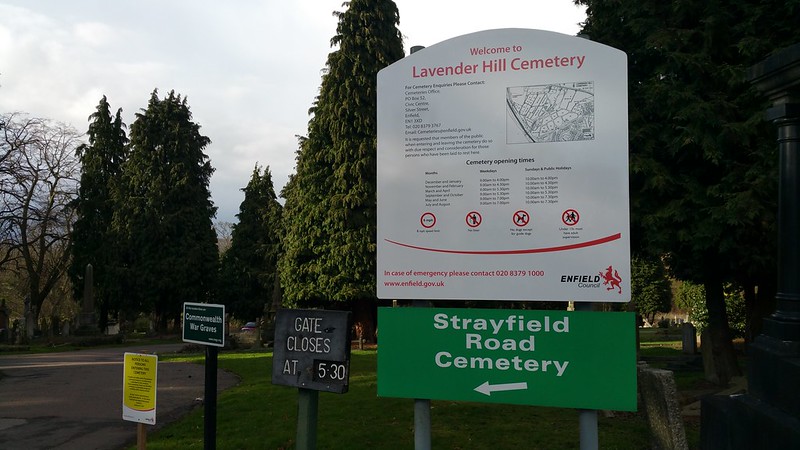
You'll notice that on the side there is a little sign indicating that this cemetery contains Commonwealth War Graves. When I visited it in March I did not really understand what "Commonwealth War Graves" meant, but now after having visited many cemeteries and memorials I can recognise the distinctive standardised headstones.
Untitled

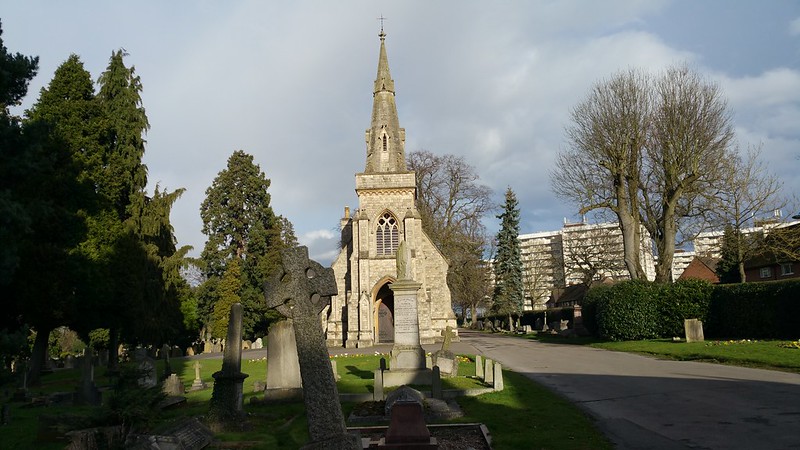
Lavender Hill Cemetery Church

Untitled

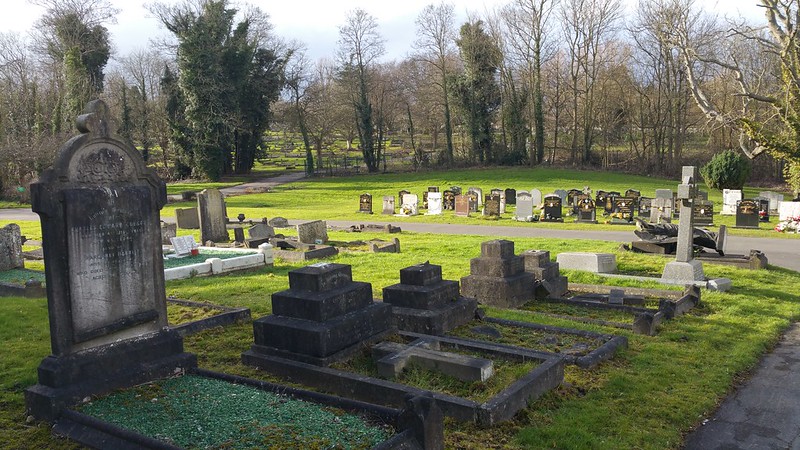
A stately cemetery

Untitled

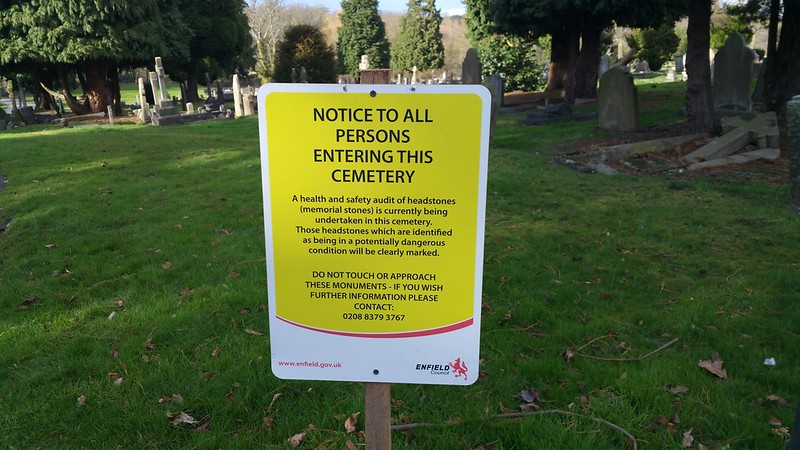
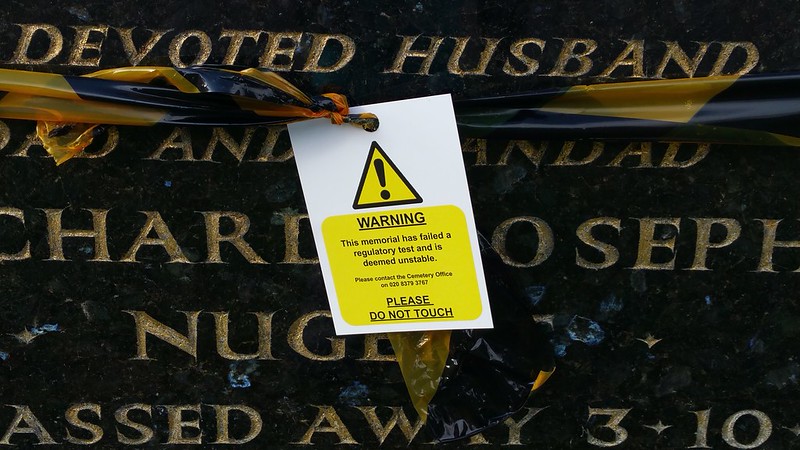
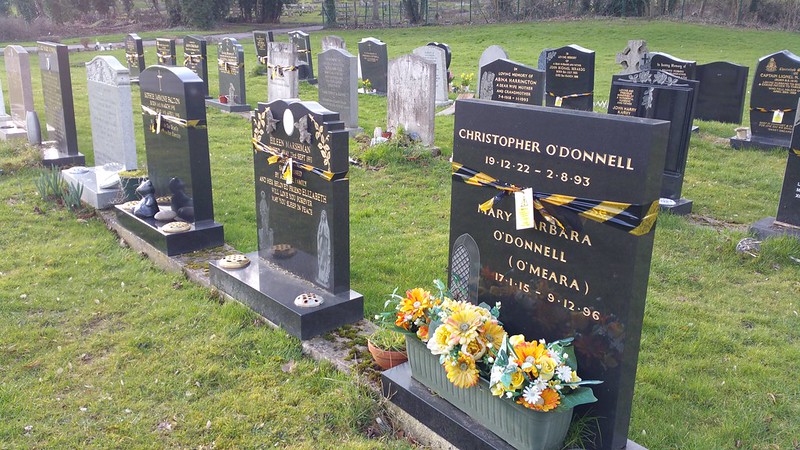
It seems many of the stones in Lavender Hill have been recently subject to a H&S audit...
Untitled

"Failed memorial"

Naturally, on seeing this, one might wonder whether this is health and safety completely gone mad - and what are the real risks involved with falling memorials. Is it true that falling headstones pose a credible threat to public health and safety? Or is it unnecessary mass hysteria and the circulation of an urban myth? So I did a little googling and found this: From this britarch discussion post:

SUMMARY OF ACCIDENTS RELATING TO MEMORIALS 1982 - 2003

3 year old boy crushed by gravestone - Fatal (Wear Valley)
2 year old child injured by falling gravestone - non fatal (Sunderland)
2 year old child injured by falling gravestone - non fatal (Preston)
9 year old child crushed by gravestone - fatal (Liverpool)
9 year old child crushed by gravestone - non fatal (Burnley)
4 year old child trapped by falling headstone - non fatal (Westminster)
20 months child, struck by recently erected headstone - non fatal (Plymouth)
3 year old child, trapped by fallen headstone - non fatal (Port Talbot)
44 year old man, trapped by fallen headstone - fatal (Belper)
5 year old child, crushed by memorial - non fatal (Chester)
6 year old child, crushed by falling memorial - fatal (Harrogate)
2ft high memorial in Dukinfield cemetery fell onto a woman's leg and
took her skin off down to her ankle, then trapped it against a kerb and
broke it in five places - non fatal (25th September 2002)
Young man killed in a Salford Churchyard - fatal (2003)

Also I also remember the case of the freak accident of the 8 year old boy instantly killed by a headstone in Glasgow: BBC: Ciaran Williamson killed 'instantly' by falling headstone (2015). However if these represent the statistics of the whole of the UK over 20 years then I say YOUR RISK OF BEING FATALLY CRUSHED UNTIL DEAD BY FALLING HEADSTONE IS INDEED GREATLY EXAGGERATED!
Untitled

But, er, I suppose it doesn't mean you should intentionally lay your head underneath these headstones that have just failed their H&S test.

Although then again, no one can really stop you from doing that. I suppose the weird thing about all of this H&S/compensation culture is that whilst usually an institution or organisation or cemetery in this case may be expected to have a duty of care to the people they employ or interact with, the public don't really need to have a duty of care towards their own safety...
Untitled

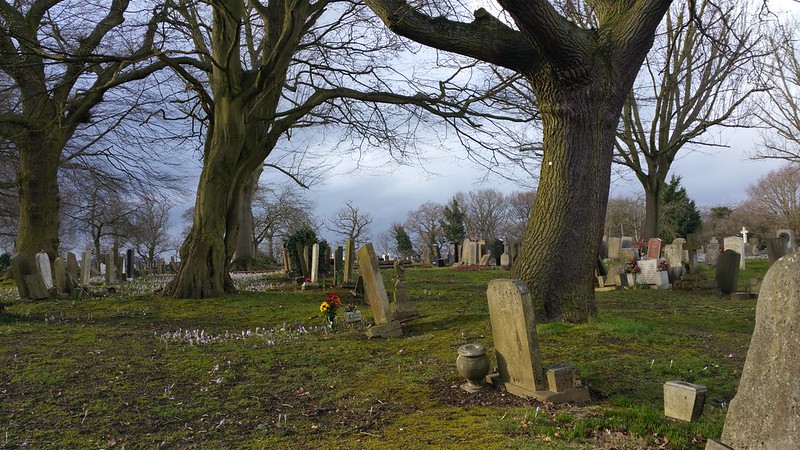
There was some dramatic weather...

Untitled

As the weather began to turn and I walked further into the cemetery.... I noticed the graves getting more.... decorative?
Untitled

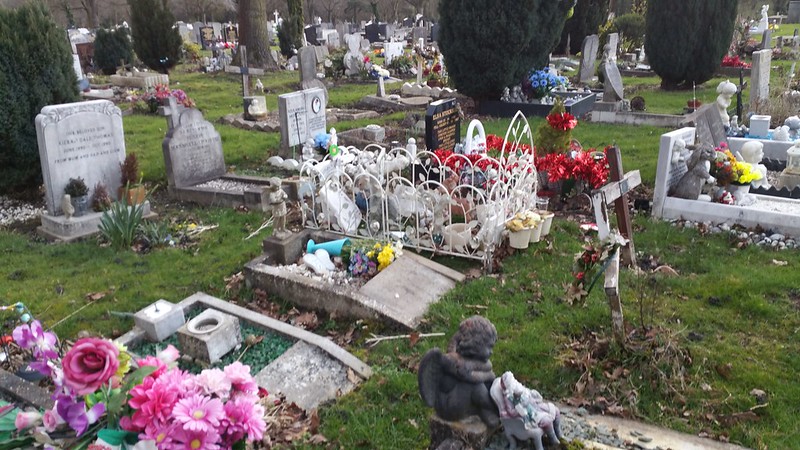
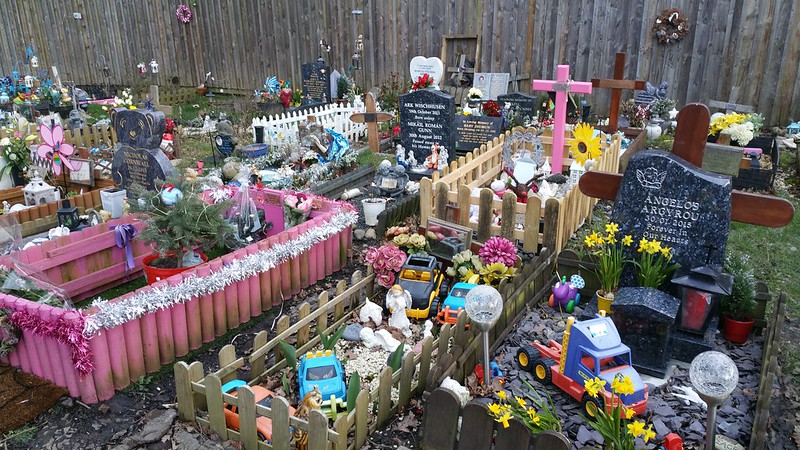
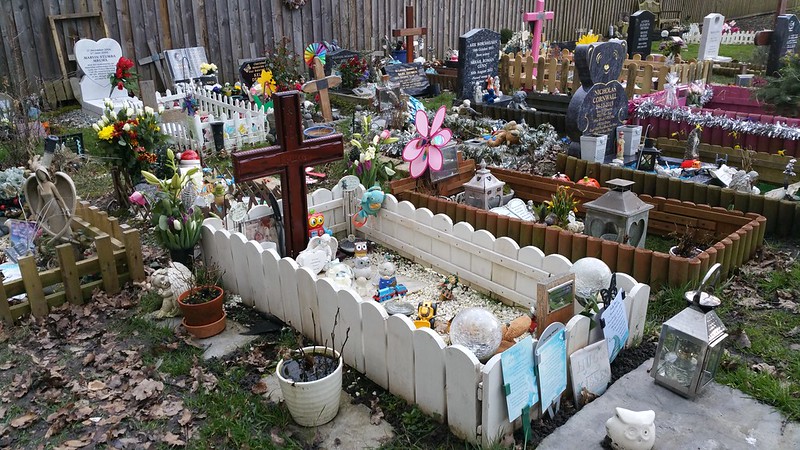
I realised this was the baby and young children section of the cemetery.
Untitled

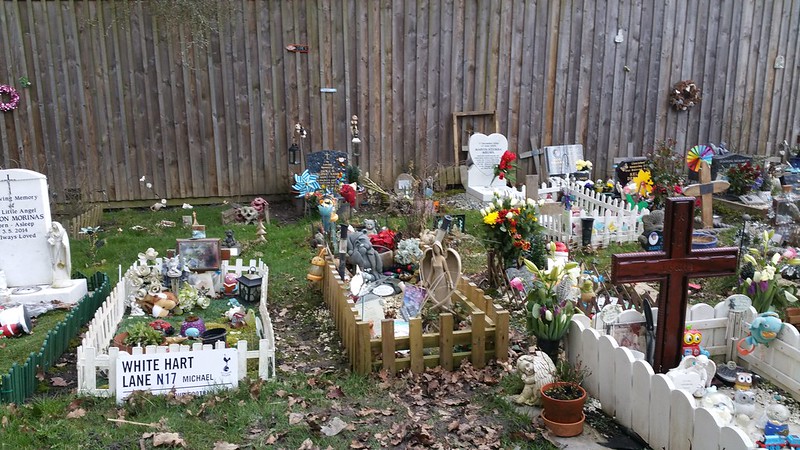
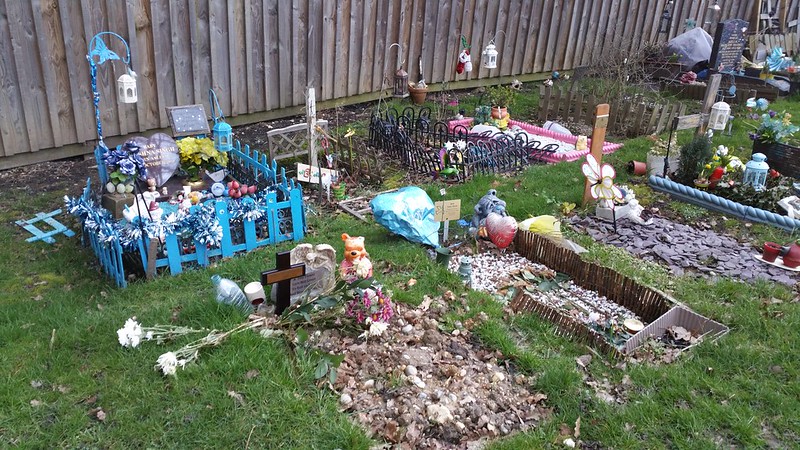
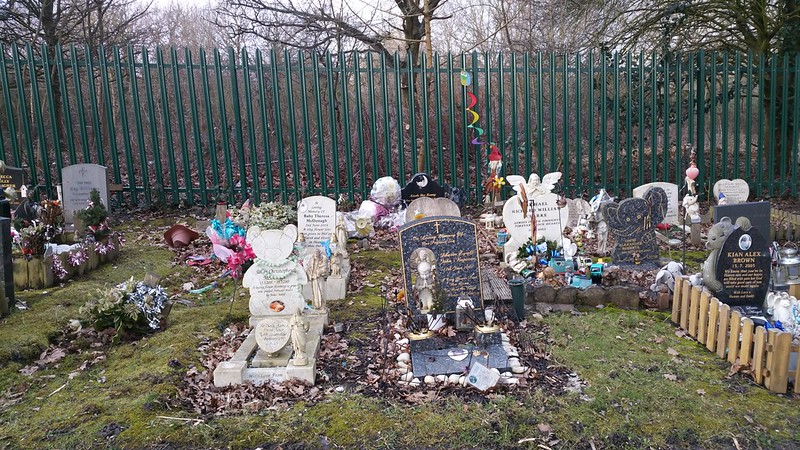
What on earth started this trend in which Britain's bereaved parents design their child's memorial entirely out of garden ornaments, plastic decorations and children's toys?
Untitled

Although they're meant to be memorials for babies and young children, I can't help but feel that there's also some sort of contest going on when they are laid out side by side; it looks like some wild and crazy amateur garden decorating contest or something occurred here, especially with the little garden fences erected around these plots. "Competitive grieving, on your marks, get set.... Erect the plastic windmills! Pile on the Poundland tinsel! More B&Q solar powered lights and garden ornaments!"
Untitled

Untitled

I'm now really curious to see whether baby memorial designs have also gone all plastic in other countries and regions...
Friday, 3 March 2017

The World's First Cash Machine and New River Swans: A walk through Enfield Town, World's End and Cockfosters

Untitled

In my years of living in Stamford Hill and Harringay, Enfield has always felt so close because we were right by the stations with direct train services going to Enfield (Abellio Greater Anglia's Lea Valley Line and Great Northern's Hertford Loop). And I suppose it is typically still referred to as the "London Borough of Enfield", even though it is technically Middlesex and it has its own postcode zone (EN). And if one considers the distance, a trip to Enfield honestly is a trip out of London. If Harringay is given a rough estimate of being about 5/6 miles away from Central, then Enfield is a whopping 10/11 miles from Central, depending on what you want to refer to as the centre of London. On the map it looks like this:


So what is there to see in Enfield?

Untitled

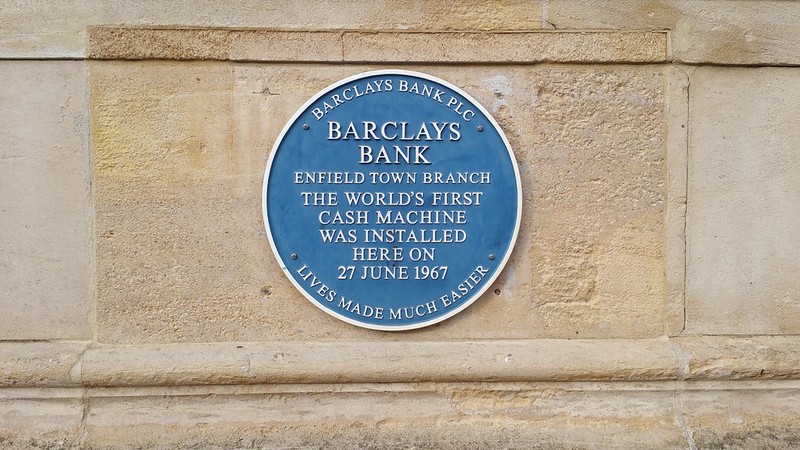
For one it is the site of the FIRST CASH MACHINE IN THE WORLD! A modest blue plaque stands outside the Barclays Bank in Enfield Town, proclaiming the words "LIVES MADE MUCH EASIER". As I began writing this some months after having visited Enfield Town on several occasions (the most recent of which was 3 March 2017, to which this post will be dated), I realised that today (27 June 2017, the date that I" writing this post) is coincidentally the 50th anniversary of the unveiling of this machine!

The first cash machine or hole in the wall was opened by comedian Reg Varney (the star of "On the Buses", which if you're not familiar with, is truly a show of its time - ultimate 70s bawdy innuendo - and speaking of Enfields, Harry Enfield together with Paul Whitehouse did do a hilarious On the Buses spoof).

All you could have taken out from this cash machine at the time was £10, but according to Bank of England's Inflation calculator, £10 back in 1967 would have been the equivalent of £166.57 in 2016. Nevertheless it was already supposed to have been a revolution at the time - getting cash out from the bank on the weekend? Oh my! How things have changed in 50 years; here we are in 2017 and the bank I use has just closed every single branch that I've ever used within London!.

Untitled

This is the same New River which flows from up in Hertfordshire, past our house in Green Lanes, and all the way down to the Woodberry Wetlands in Stoke Newington. Neither actually a River nor "new", this is an artificial waterway dating from 1613 which supplies London with fresh drinking water from the River Lea.

In 1823 in his Essays of Elia, Charles Lamb raged and railed against the New River after apparently witnessing a dear friend nearly drowning in the New River, which he apparently felt as a swan-less spirit-less man-made tributary was not worthy of claiming the lives of poets:

Waters of Sir Hugh Middleton—what a spark you were like to have extinguished for ever! Your salubrious streams to this City, for now near two centuries, would hardly have atoned for what you were in a moment washing away. Mockery of a river — liquid artifice — wretched conduit! henceforth rank with canals, and sluggish aqueducts. Was it for this, that, smit in boyhood with the explorations of that Abyssinian traveller, I paced the vales of Amwell to explore your tributary springs, to trace your salutary waters sparkling through green Hertfordshire, and cultured Enfield parks?—Ye have no swans—no Naiads—no river God—or did the benevolent hoary aspect of my friend tempt ye to suck him in, that ye also might have the tutelary genius of your waters?

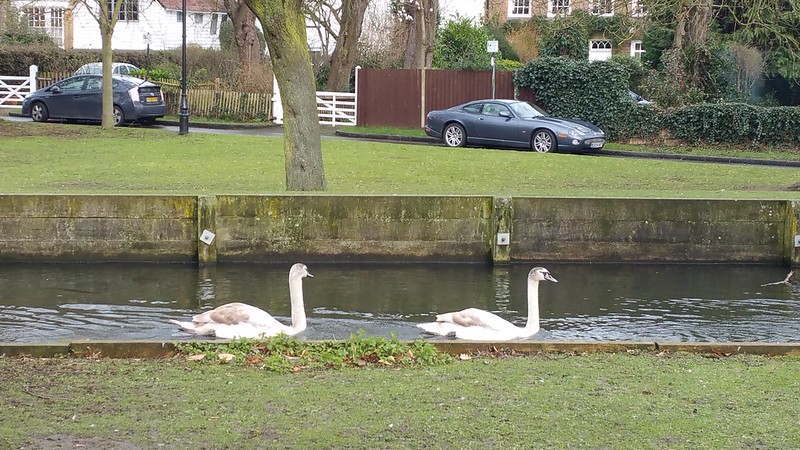
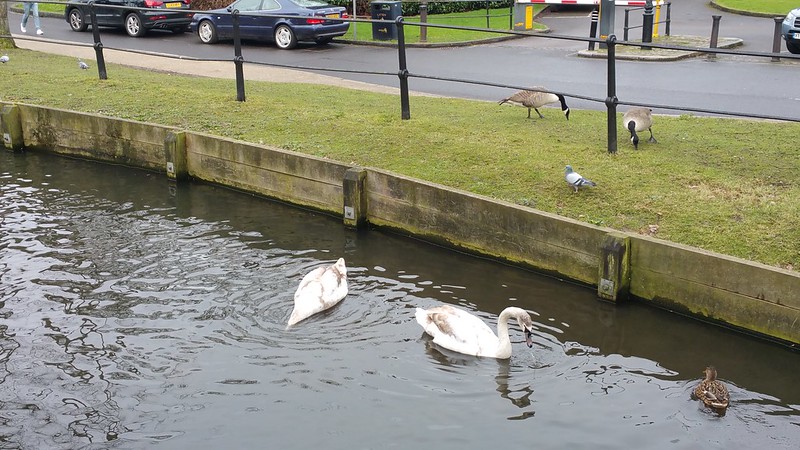
Oh if Charles Lamb were still alive to see the New River now... it is teeming with swans!

Untitled

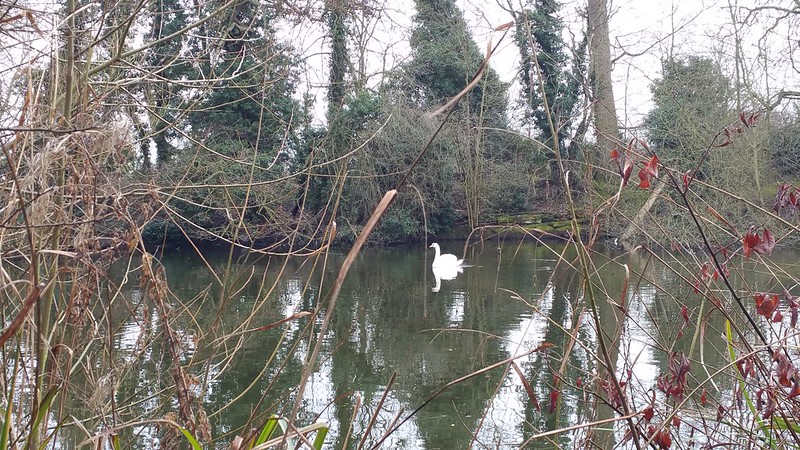
Swans!

Untitled

SWANNNS!!

Untitled

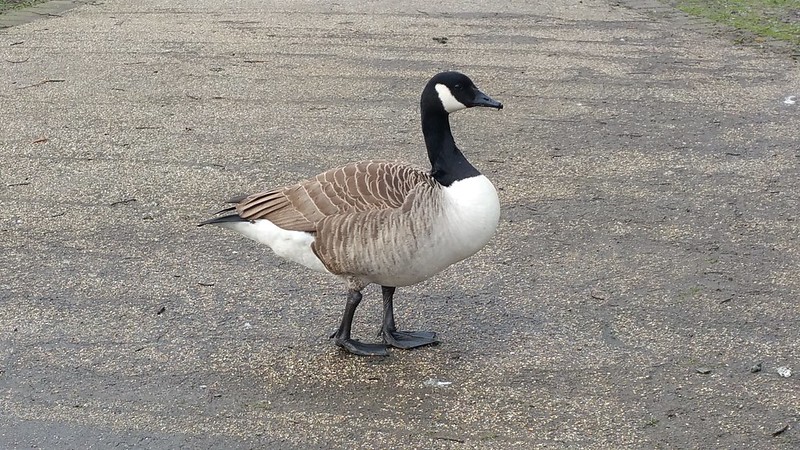
And also loads of Canadian Geese.

Untitled

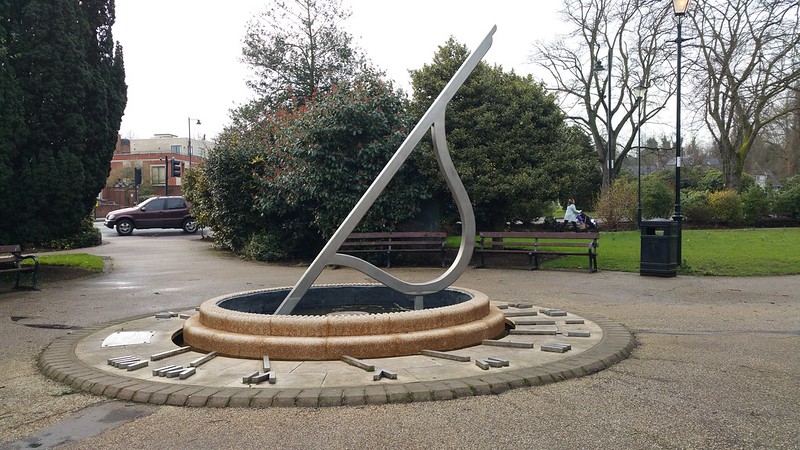
Enfield's Millennium Fountain

Untitled

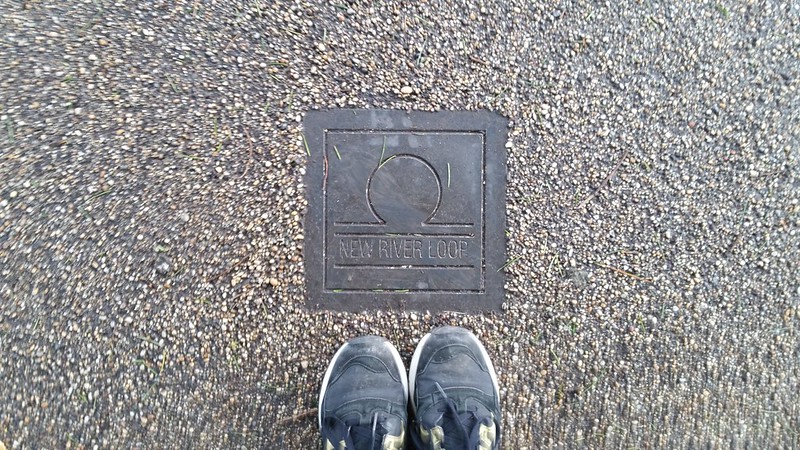
New River Loop...

Untitled

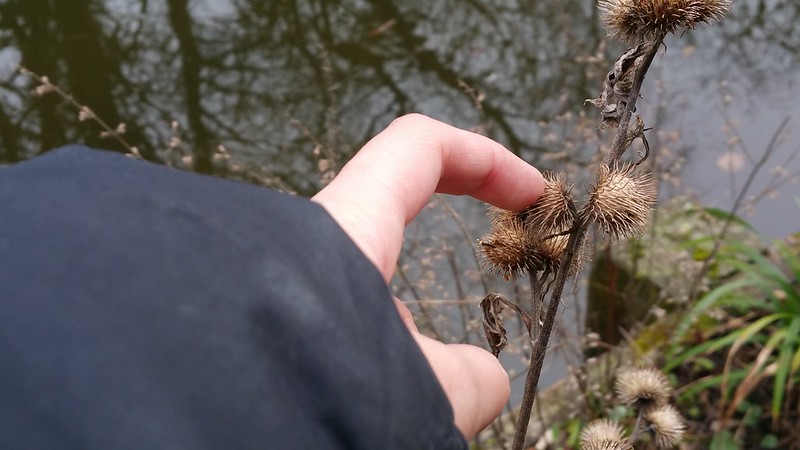
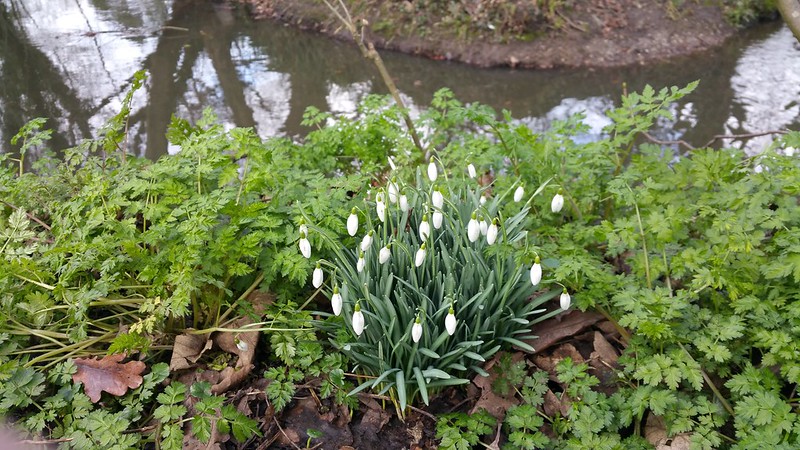
I walked around the New River and by the banks there were these lovely plants...
Untitled

Which insisted on taking a ride on my hand.

Untitled

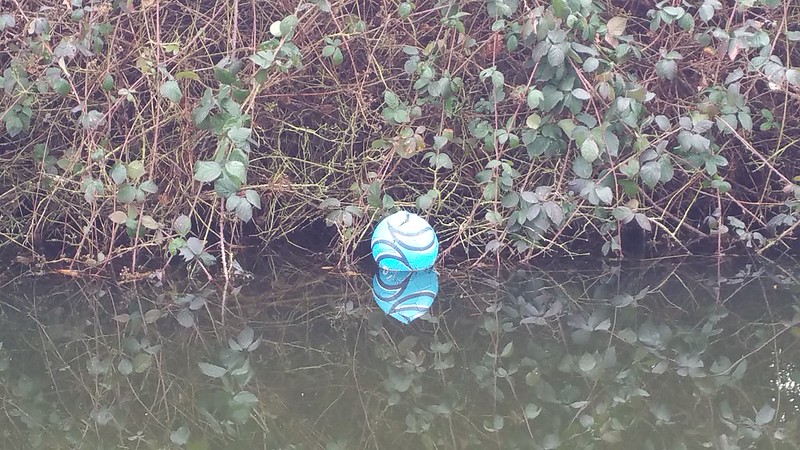
I probably need to write a post entirely dedicated to lost balls.

Untitled

I walked westwards towards a place called "World's End". If you've been around London/UK you'll often see the term "World's End" which basically refers to anything which people melodramatically feel is so far away its basically at the end, or the boundary of their world. (or church parish)

Untitled

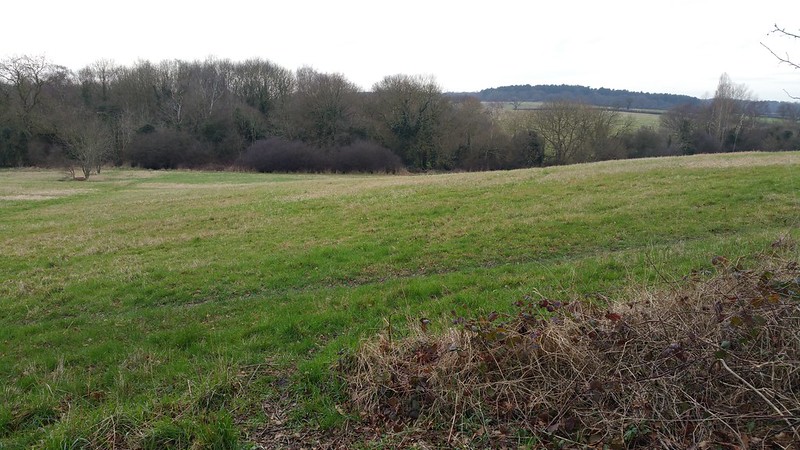
Indeed there are some vast fields which really feel like you're in the countryside.

Untitled

On google maps it is hard to tell sometimes if a field or green area can be crossed. That is if one takes the assumption that all green areas can be crossed by pedestrians, but this is not true. For the most part, if a green area is not publicly named, then it is probably not land in which the public has right of way. Which is unfortunate because sometimes you just want to walk from one place to another in a straight line and there's a temptingly open field in the way!

Untitled

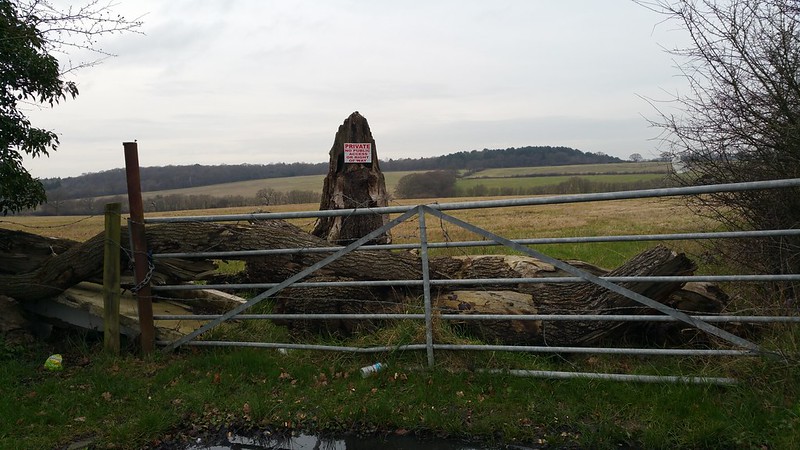
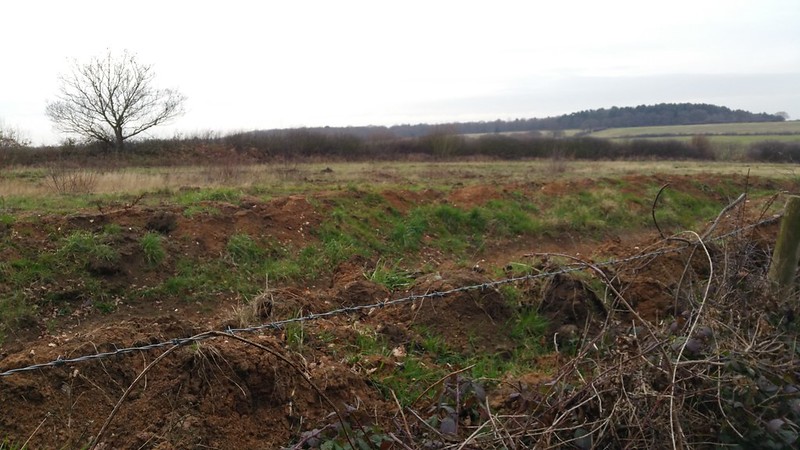
World's End consists of private land with significant amounts of barbed wire so don't be as foolish as me as to make an extended excursion around the perimeter of what looks like grassland when none of it can actually be entered/crossed.

Untitled

By this point I had already walked so much that I thought I may as well head on to Cockfosters via the A110, a thoroughly bleak highway with little to no pedestrians on it on a winter's day.

Untitled

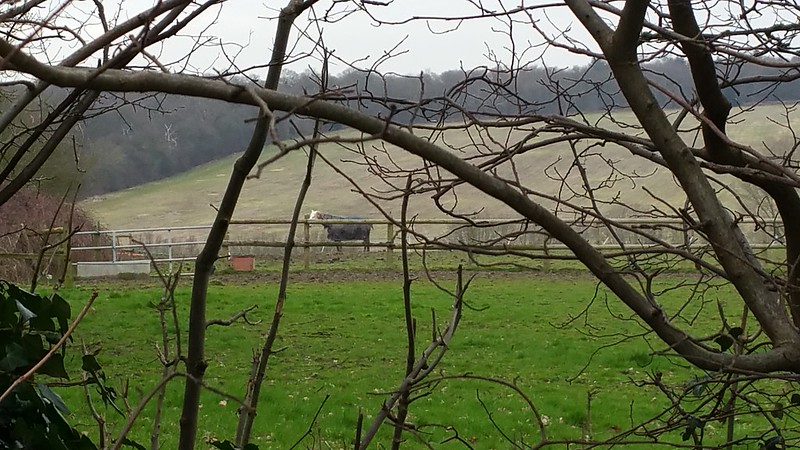
There was some distant neighing.

Untitled

Eventually the road converged back into civilisation.

Untitled

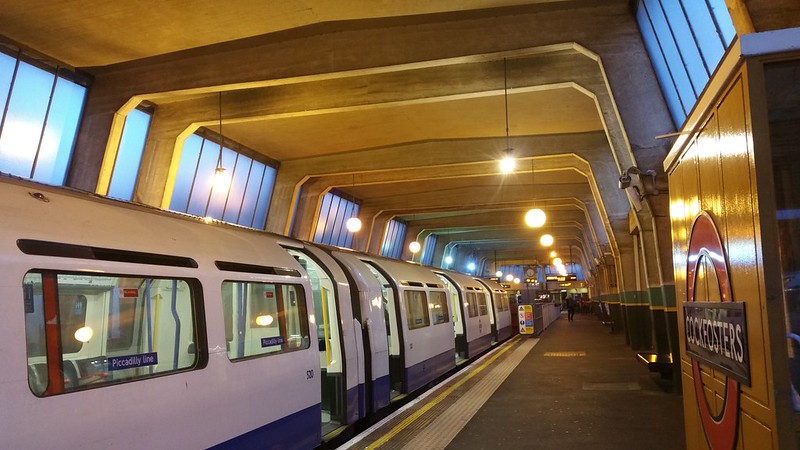
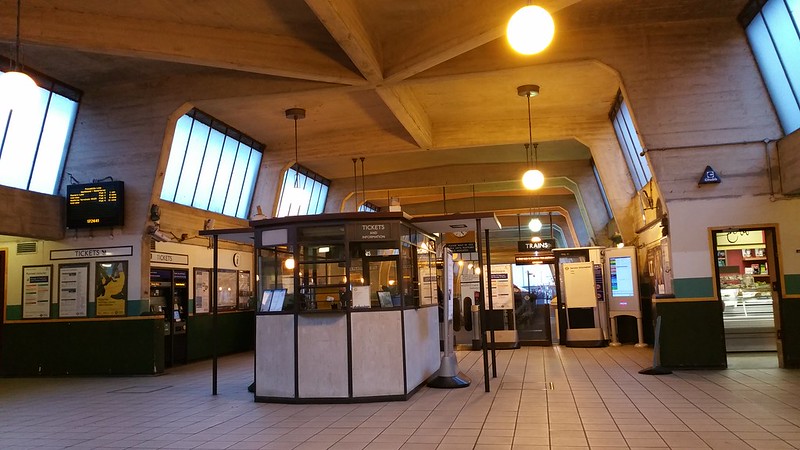
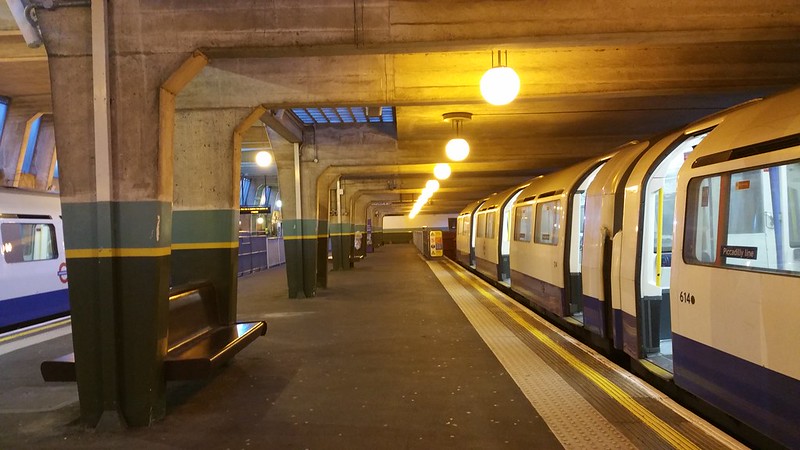
I did finally reach Cockfosters and its distinctively designed station, designed by Charles Holden and built in 1933.

Untitled

Untitled


The Walk:


[I'm still backdating this post to 3 March 2017, which is when I took the pictures...]

Thursday, 23 February 2017

Looking for the gravestone of Raffles: A walk through Dollis Valley Greenway, Dollis Brook Viaduct, and St Mary's Hendon

Untitled

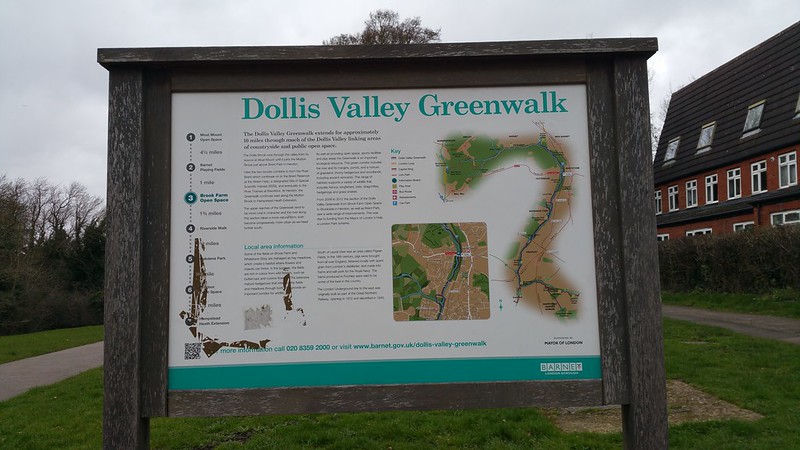
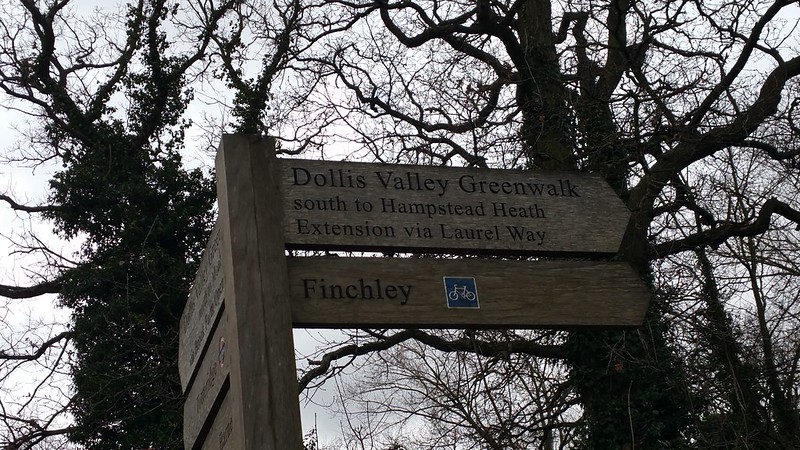
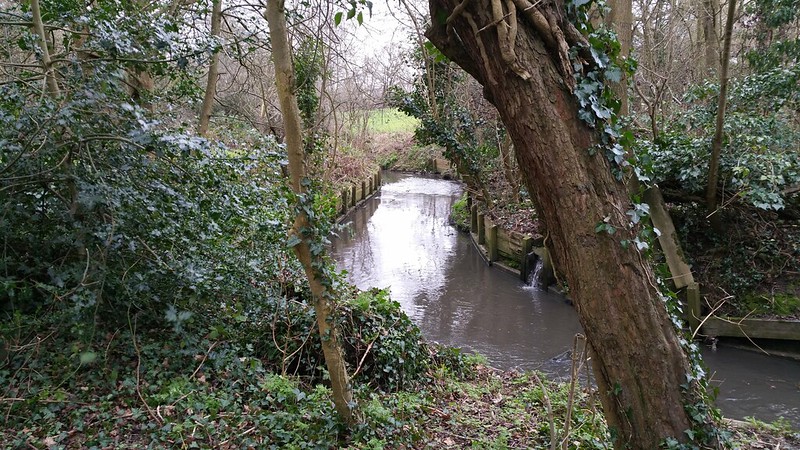
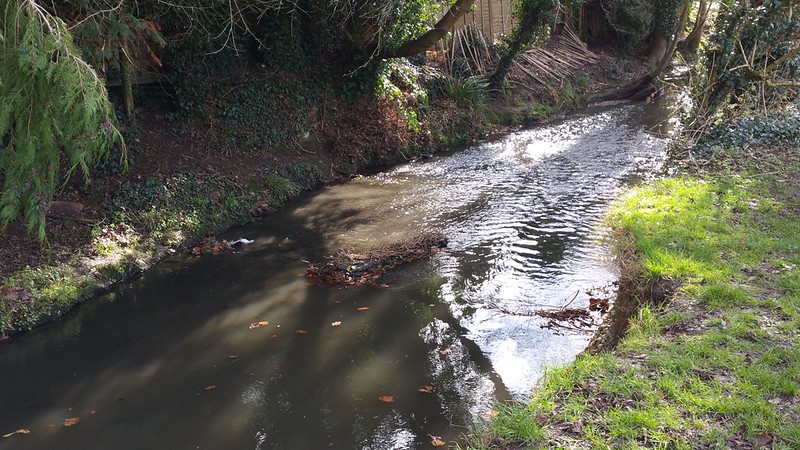
One dreary winter morning I decided to walk from Totteridge & Whetstone to Hendon, following the Dollis Brook southwards. The Dollis Valley Greenwalk is actualy a linkway between the Capital Ring and the London Loop, and goes all the way from Hampstead Heath up to Barnet. The area surrounding it is a leafy and very residential suburban neighbourhood with lots of hills and obviously as its name suggests the Greenwalk is at the bottom of the valley itself. As for the totter of the ridge, Totteridge is supposed to be the ridge or high point in that valley formation, possibly having been named after someone called Tata.

Untitled

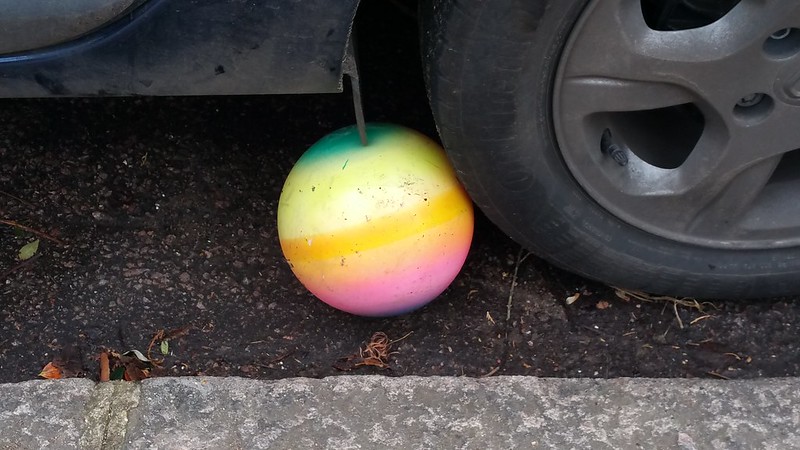
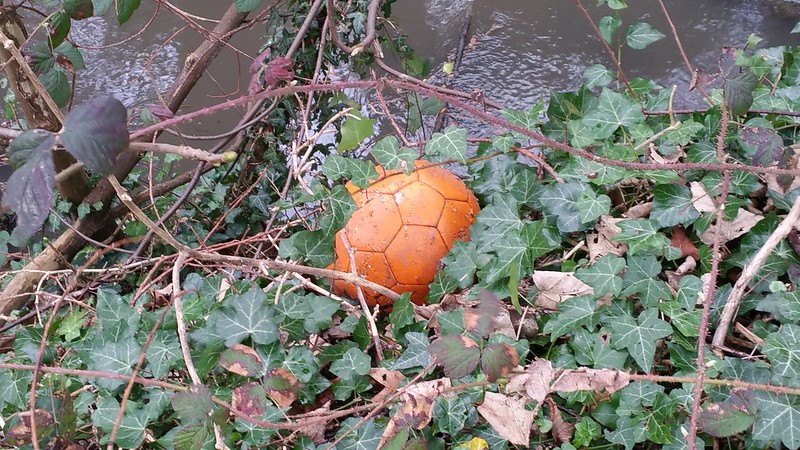
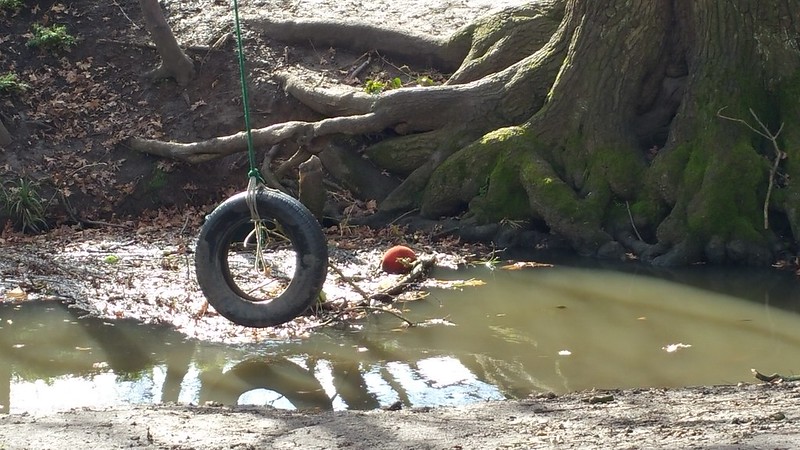
A recurrent theme that I always see on my walks in London are balls. So many balls. Balls in water. Balls under trees. Balls balls balls. I myself do not know how to play with balls. First you throw them, then you have to go and get them back. It is so much work. Sometimes you can't get the balls back. Its very difficult to play ball with yourself. The last time I brought a ball to the beach, I spent more time worrying that my ball was going to be permanently swept out to sea, so I had to forbid the throwing of balls. Maybe I am playing with balls completely wrongly. But look here! It looks like many people and their balls have been wilfully parted!

Untitled

There were reports just that morning (23 Feb) of gale force winds as a result of Storm Doris with people being apparently killed by trees being blown over. As it was to be expected, the Greenway was largely devoid of casual walkers beyond the odd dog walker, and I must say I did not like the loud CRACK sounds I kept hearing from overhead. I was compelled to sprint through parts of the Greenway due to a fear of being flattened by falling trees.

Untitled

See what I mean about balls? They are just everywhere.

Untitled

More sacrificial balls.

Untitled

Untitled

Untitled

Untitled

Untitled

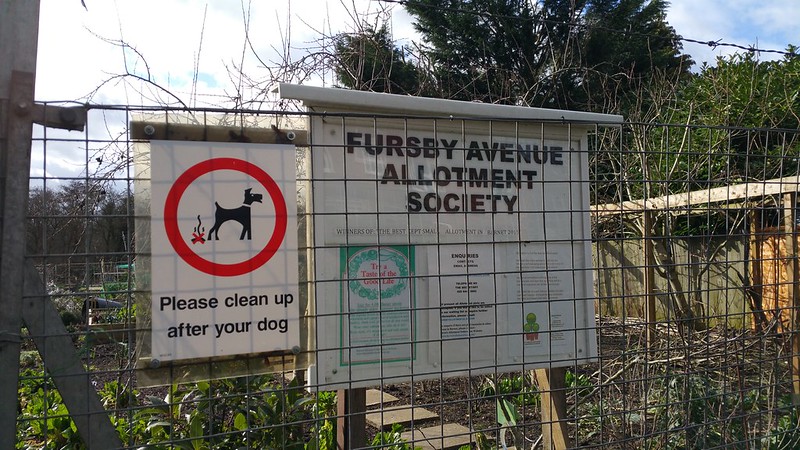
Fursby Allotment is along this route.

Untitled

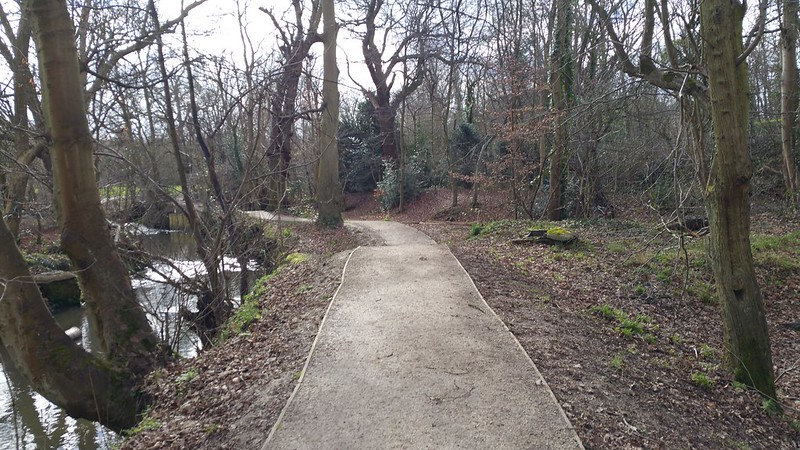
This greenway is even well-paved at points.

Untitled

Untitled

Untitled

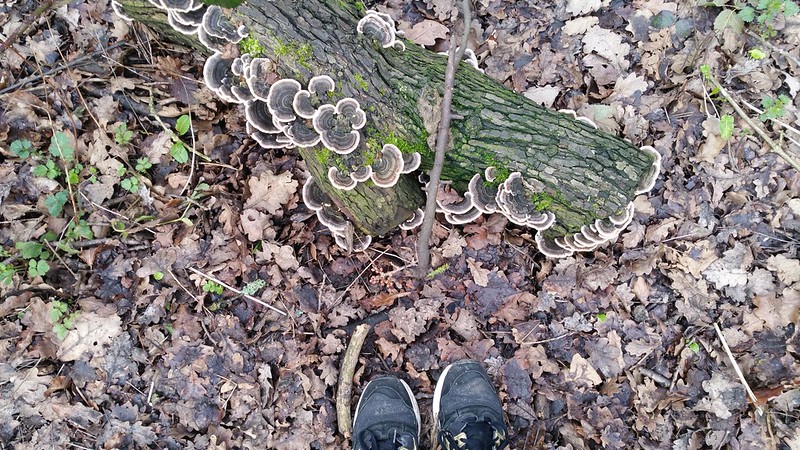
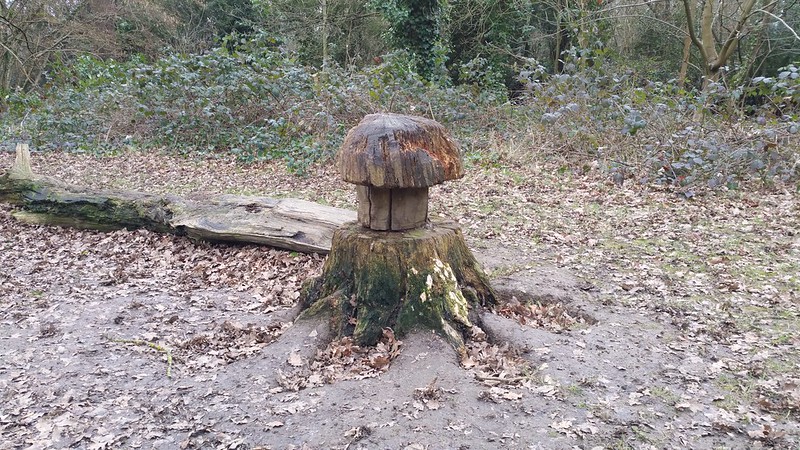
And full of mushrooms, real and fake.

Untitled

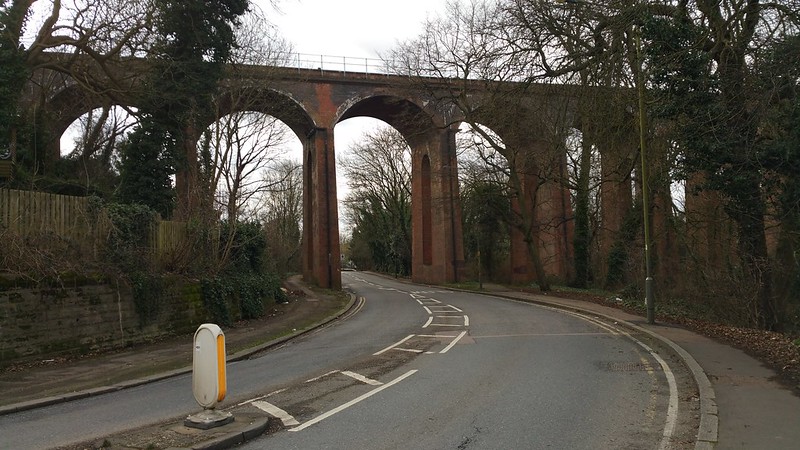
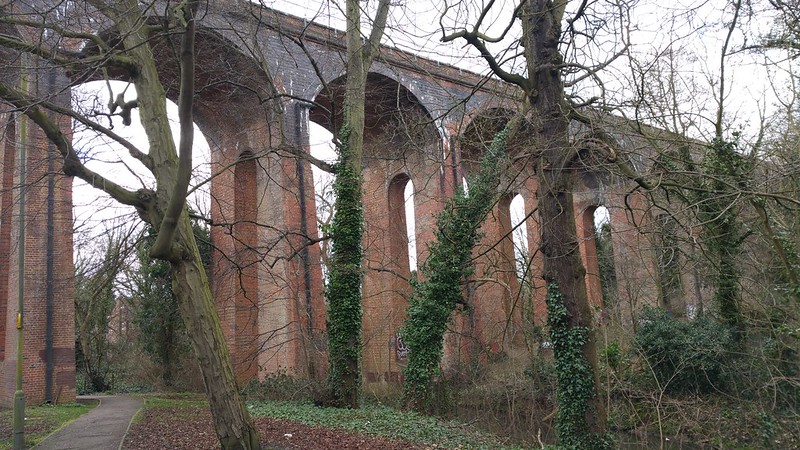
The real highlight of this walk is the very magnificent Dollis Brook Viaduct.

Untitled

Untitled

The Dollis Brook Viaduct is used by the Northern Line to carry trains going to and from Mill Hill East and Finchley Central. So the burning question in your mind (or at least mine) is: what is the difference between a bridge and a viaduct? Well I suppose that it is said that a viaduct is a special type of bridge which has many many little spans or arches underneath it, and which can go on for long distances over land (not just water). And all of these spans are also equal in size, forming a formidable sight through the valley. For me I think of the viaducts as a particularly 'London' sort of thing - it is so common to see urban rail lines constructed on top of these viaducts and often in more built-up areas the space underneath the railway arches are also turned into car repair shops, nightclubs, eateries, or put to other kinds of commercial or industrial uses.

Not long after this point, I decided to deviate off the Greenway, largely because the greenway has no rest stops or toilet facilities along the way (ARGH!!!), and if there were any, they were not visible to walkers following the path. However, I was saved - walkers may want to note that there are restrooms to the left side of the Hendon Cemetery and Crematorium.

Untitled

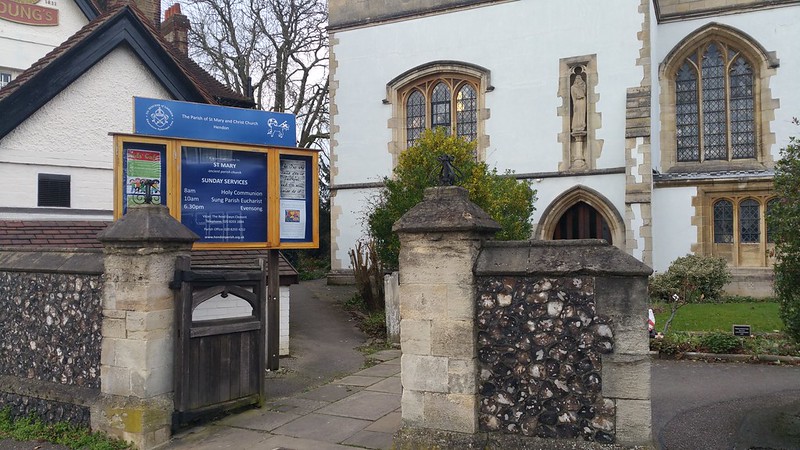
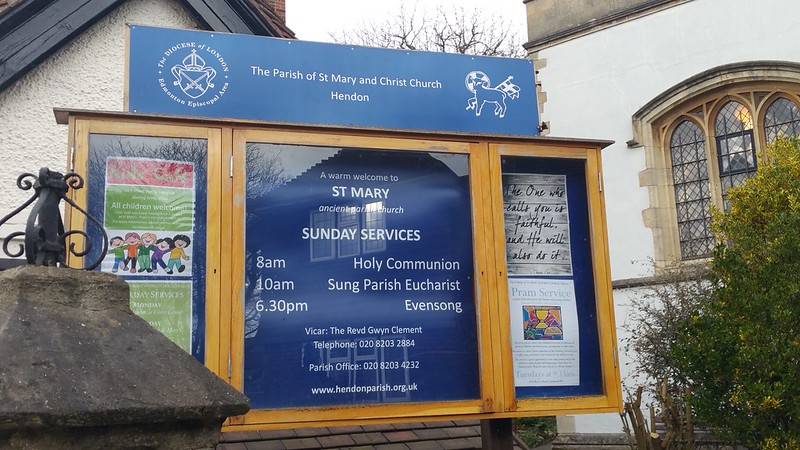
After this point I decided to take the bus a short distance into West Hendon: I had heard about Sir Stamford Raffles being buried in Hendon but had never seen the stone for myself before, so...
Untitled

Untitled

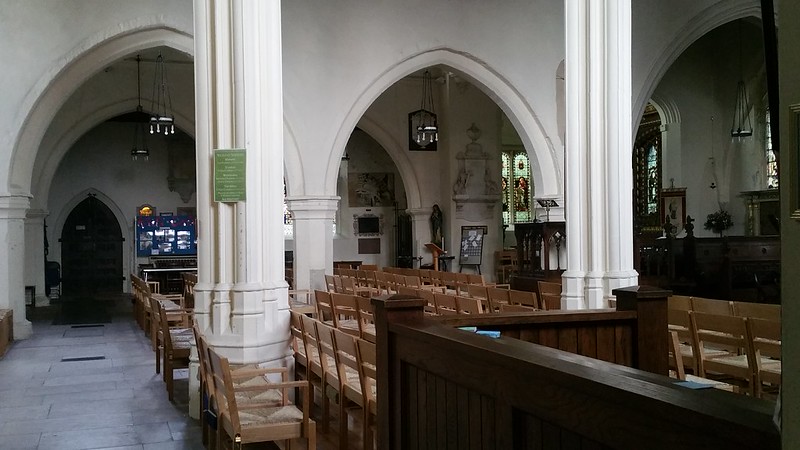
I have to say it always surprises me how you can just walk into churches. I did worry that someone might walk in and think I was up to no good, scouring their floor in search of a gravestone...
Untitled

Prior to arriving I had searched on Findagrave.com which suggested he had a stone in the ground, as in this picture by David Conway in 2001. I've got to admit that this threw me off, because it has changed since then, and if you were to just search randomly as I did through the church grounds, it will take ages and ages...


Source: Findagrave.com

Untitled

Untitled

Untitled

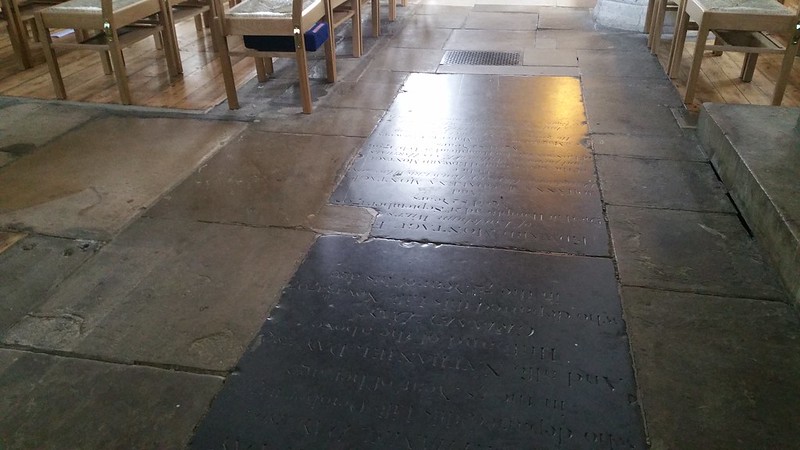
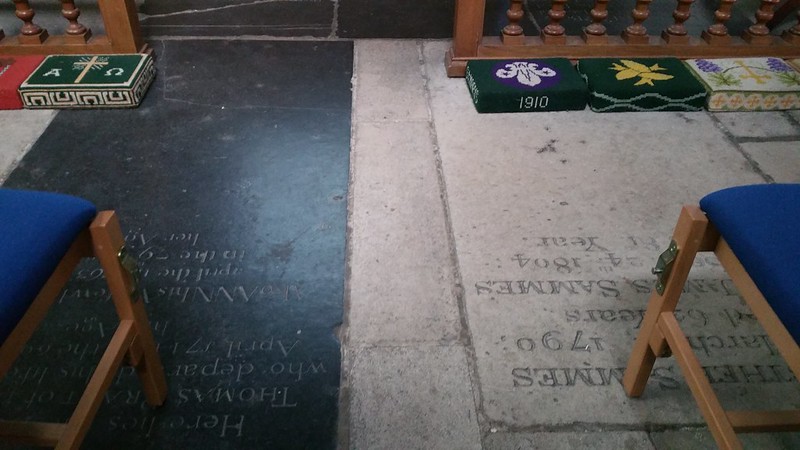
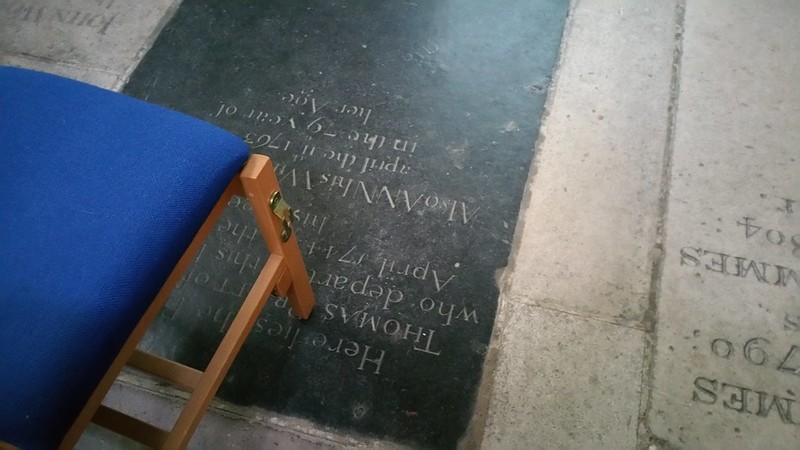
Cue about 20 min of searching on the floor below all the chairs to find Raffles' stone.

Untitled

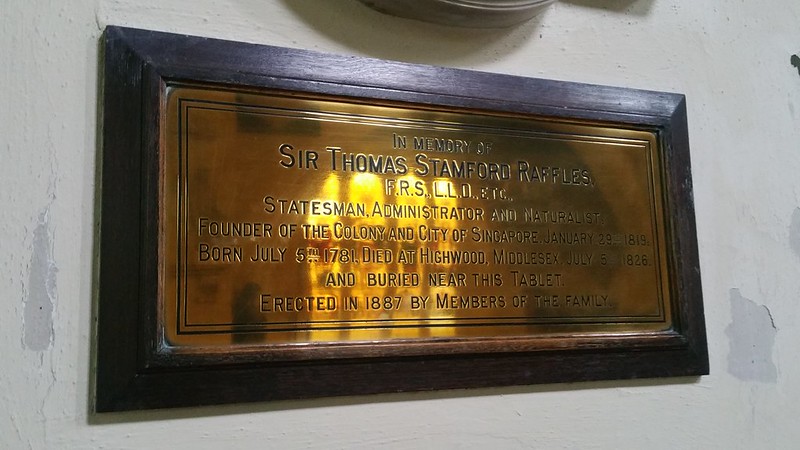
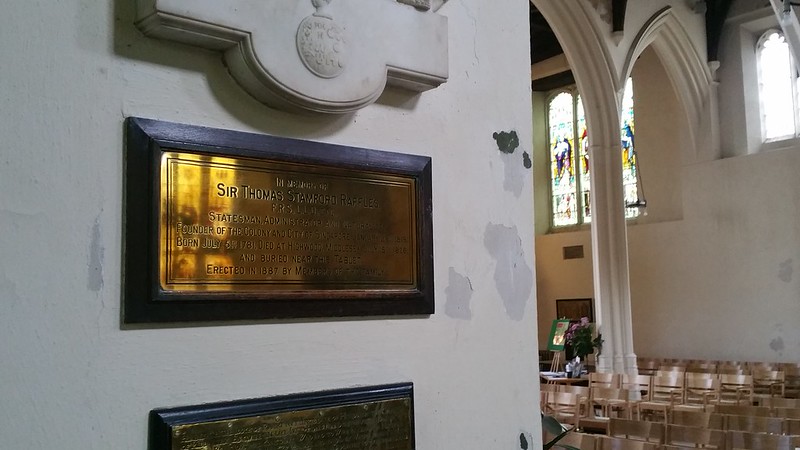
I was about to give up when I started looking at pillars and there it was!

Untitled

Raffles died suddenly of apoplexy in Mill Hill at Highwood House - but because he had been against slavery, the vicar Theodor Williams (whose family had made its fortunes through the Jamaican slave trade) refused to allow him burial within the local parish church at the time, which was St Mary's Hendon, resulting in his burial location not being known for quite some time. Various sources mention that his remains were found in a vault in 1914, and that a brass plaque (1887) and floor tablet had been incorporated into the building itself (1920s), but it appears that today only a brass plaque from 1887 remains.

The Walk: